
Deadly mistakes to avoid when eating crab soup.
Freshwater crab soup is rich in calcium and nutrients, making it good for health, but if consumed incorrectly, it can be life-threatening.
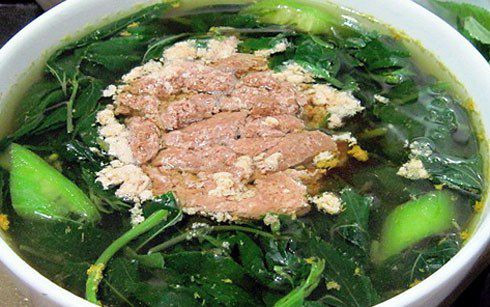
Freshwater crab is a great dish to cool down in the summer. On hot summer days, most Vietnamese family meals include crab soup with jute leaves, crab soup with wild greens, or crab soup with daylily flowers, served with pickled eggplant.
Freshwater crab soup is rich in calcium and nutrients, making it good for health, but improper consumption can be life-threatening. Here are some mistakes to avoid when eating and preparing freshwater crab soup. 100g of freshwater crab meat contains 12.3% protein; 3.3% lipids; 5040mg% calcium; 430mg% phosphorus...
 |
Do not cook soup with dead crabs.
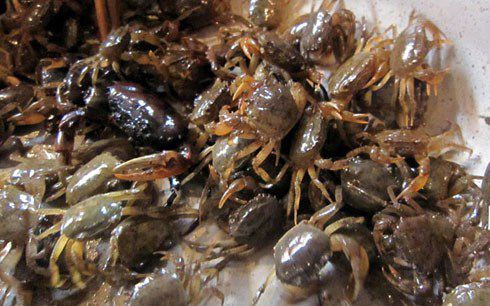
Many housewives often buy pre-ground crab meat from the market, then strain and cook it at home. However, this method contains many unforeseen dangers that many people are unaware of. Because when preparing the crab, many vendors, out of tiếc, do not remove the dead crabs. Dead crabs contain a chemical called histidine, which can be toxic and cause stomach pain, vomiting, and even severe poisoning. The longer the crab has been dead, the more histidine it contains, and the greater the risk of poisoning.
You should personally select live freshwater crabs, choosing female crabs for the best taste, as female crabs have firmer meat than male crabs. Good crabs are female crabs about the size of a big toe. When preparing them, you must break off the underside of their abdomens. Avoid female crabs that are laying eggs or crabs that are too young, as young crabs will give the water a strong, unpleasant smell.
Do not eat raw crab.
In many rural areas, people have a habit of eating raw crab salad, but this is actually very dangerous because raw crab meat contains lung fluke cysts. If not sterilized and disinfected at high temperatures before being eaten raw, it can easily lead to "lung fluke disease".
The parasitic worm, a blood-sucking parasite, lives in the lungs, causing coughing and spitting up blood. It can also invade the brain, leading to seizures and even paralysis. If it invades organs such as the eyes, kidneys, liver, heart, or spinal cord, the consequences are even more serious. A crucial rule is to thoroughly cook freshwater crabs before eating them.
Don't eat the same thing over and over again.
Housewives should note that when preparing freshwater crabs, they should only cook as much as they need to use at once. Crab meat contains a lot of protein and other nutrients, and after exposure to the environment, it is easily spoiled by harmful bacteria, causing it to become rancid. During the summer or transitional seasons, reheating crab not only reduces its nutritional value but can also cause the meat to deteriorate and become toxic.
Avoid drinking tea and eating persimmons close to the time you eat crab soup.
Crab is rich in protein, while tea and persimmons contain tannins. Tannins can combine with the protein in crab, causing precipitation and leading to symptoms such as nausea, vomiting, abdominal pain, and diarrhea. Note: You should not drink tea during or for about an hour after eating crab soup. When tea enters the body, it causes some components of the crab to coagulate, hindering digestion and absorption of other nutrients, and even leading to abdominal pain and diarrhea.
Persimmons and crab soup should not be eaten together, because the tannins and other components in persimmons can cause the protein in crab meat to solidify. This solidified substance will gradually remain in the intestines, ferment, and rot, potentially causing nausea, abdominal pain, and diarrhea. In more severe cases, these substances can even form stones, which are very dangerous to health.
 |
Who should avoid eating crab?
Pregnant women
Pregnant women in the early months of pregnancy or those with weak fetuses should absolutely avoid eating freshwater crabs. This is because the toxins in crabs are not good for the child's development. Secondly, their cooling properties can easily cause stomach pain, and their abortifacient properties are similar to those of a tumor in the body, so eating freshwater crabs can easily lead to miscarriage or premature birth.
People with colds and diarrhea
People with colds, fevers, stomach aches, or diarrhea should avoid eating crab because the cold nature of crab meat can worsen their condition. Crab roe contains a high amount of cholesterol, which is not good for people with high blood pressure, arteriosclerosis, or high blood lipids. Additionally, people with allergies should exercise extreme caution when eating crab.
People with a history of high blood pressure and cardiovascular disease.
The fatter the freshwater crab, the higher its fat content. Eating a lot of freshwater crabs can increase blood cholesterol levels. This is especially dangerous for people with a history of cardiovascular disease and high blood pressure. Although it may not have a direct impact, the long-term accumulation of cholesterol can worsen these conditions.
People with asthma or the flu
According to traditional Chinese medicine, freshwater crabs are inherently cold in nature, and their consumption should be limited for those prone to catching colds or drafts, especially those with asthma and the common cold. The cold nature can worsen asthma attacks, causing difficulty breathing and persistent coughing. However, their consumption can be limited and does not require complete abstinence.
People with gout
There are two main reasons why people with gout should not eat freshwater crabs. Firstly, freshwater crabs have a very high protein content, which can worsen gout. Secondly, the "cold" nature of freshwater crabs can make swollen areas susceptible to cold, triggering flare-ups, causing pain and swelling. Therefore, caution is needed when consuming them.
People who have recently recovered from illness
The digestive system of someone recovering from illness is not yet fully stable. Due to a long period of exposure to rich, directly absorbed foods and easily digestible liquid foods, it is often weak, susceptible to colds, and prone to stomach aches. Freshwater crab is a food with a cooling nature; therefore, when preparing it, it should be cooked with other foods in small quantities, or its consumption should be limited or avoided altogether.
According to VOV.online


