
After 70 years, the Japanese army will once again participate in combat.
Japanese Prime Minister Shinzo Abe won a crucial vote in Parliament yesterday, allowing the Japanese military to participate in limited combat operations overseas for the first time since World War II.
Abe's party, along with its allies in the Lower House, passed a package of 11 security-related bills after opposition lawmakers walked out in protest.
This vote is highly significant, marking a victory for Abe – who has dedicated his career to leading Japan beyond its past as a defeated nation in World War II, toward a vision of a 'normal nation' with a greater role in global affairs.
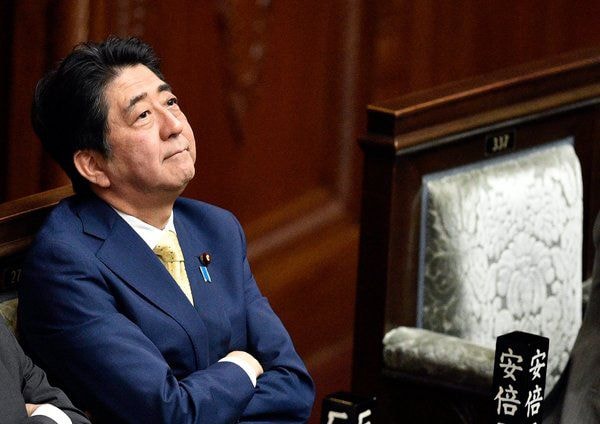 Japanese Prime Minister Shinzo Abe won a key vote in Parliament. Japanese Prime Minister Shinzo Abe won a key vote in Parliament. |
The Japanese military may fight to defend allies, but only if failing to do so would threaten the "life and survival of Japan." Opposition parties argue that this interpretation is highly vague. Under this law, the Japanese military – still known as the Self-Defense Forces – would cooperate more closely with U.S. forces, such as providing logistical support, and in some situations, would provide armed support in international conflicts.
This move went against the wishes of many Japanese people, and particularly displeased some Asian countries that had been occupied by the Japanese military.
China immediately protested Tokyo's passage of a law allowing its military to participate in combat, viewing it as a potential threat to peace in Asia.
However, the New York Times reported that the U.S. welcomed this development and hoped Tokyo would play a greater role in regional security as a counterweight to China.
"These laws are absolutely necessary because the security situation around Japan is becoming increasingly dire," Abe said.
(According to VNN)
| RELATED NEWS |
|---|


