
How to use emergency lights correctly?
Many drivers often misuse hazard lights when driving through intersections, roundabouts, etc., so how should hazard lights be used correctly?
What are emergency lights?
Emergency lights, also known as hazard warning lights, are, as the name suggests, only used in situations where it is necessary to warn other vehicles of danger.
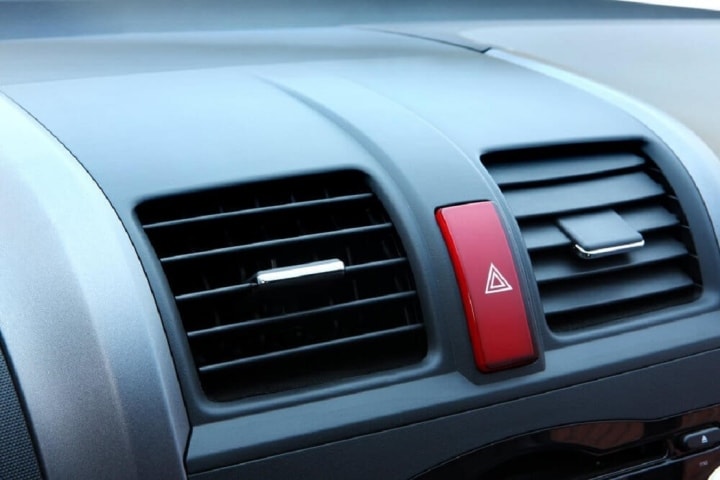
According to the vehicle's owner's manual, hazard warning lights should always be used when the vehicle breaks down and has to stop/park on the road. The lights will alert other drivers that your vehicle is a traffic hazard, reminding them to pay attention and take proactive steps to avoid collisions.
Emergency lights are usually positioned in a prominent, large location on the dashboard for easy driver access in emergency situations.
When should you use your car's emergency lights?
Emergency lights should only be used when a vehicle breaks down while moving or parked on the road, helping other drivers notice and proactively avoid the vehicle to prevent collisions. In addition, emergency lights also help attract the attention and assistance of other drivers or pedestrians when a moving vehicle experiences a malfunction.
When a vehicle breaks down or malfunctions, the driver can stop and turn on the emergency lights in areas marked as prohibited without being penalized. However, those who misuse the emergency lights for illegal parking will be severely punished according to the law.
Furthermore, when driving in bad weather such as heavy rain or dense fog, visibility is limited. Turning on your hazard lights will help other drivers slow down or think more carefully before attempting to overtake you.
Another situation where many people agree that using emergency lights is when driving slowly through an accident area or transporting someone to the hospital for emergency treatment.
With the information provided above, drivers should consider using the hazard warning lights correctly.
Currently, many drivers turn on their turn signals to go straight through intersections and roundabouts, causing inconvenience to other drivers. In reality, when going through an intersection, if you don't turn on your turn signal in either direction, the vehicle is assumed to be going straight. The same applies to roundabouts; turn on the signal in the direction you want to turn. While the law doesn't require turn signals to be on when going straight through a roundabout, it's safer to follow the "enter left, exit right" rule.
In both of these cases, the hazard lights should not be used. Many even argue that using these lights is a way to intimidate other drivers, to show off, to cut in front of other drivers, and to create danger and misunderstanding for drivers on both sides.


