
Using stem cells in the treatment of blindness
The British Medical Research Council (MRC) announced on July 21 that scientists in the UK have successfully restored vision to blind mice. This is considered a new breakthrough in the treatment of retinopathy.
The research team, led by scientist Robin Ali of the University of London's Eye Research Institute and the Moorfields Eye Institute, used early-stage, easily modifiable stem cells taken from mouse embryos and implanted them in test tubes to develop into early light-sensitive cells, also known as photoreceptor cells, in the retina.
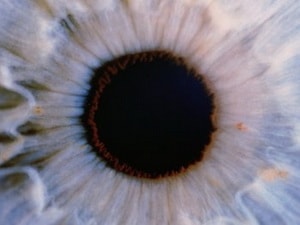
The image is for illustrative purposes only. (Source: BBC)
After injecting approximately 200,000 of these cells into the retinas of mice, researchers found that some cells "integrated" well with existing cells in the retina to restore vision. The experimental mice were then tested in a "water maze" and their visual acuity was measured to confirm they responded to light.
According to the MRC, in the future, early-stage stem cells will be an unlimited source of light-stimulating cells for retinal surgery to treat blindness in humans.
In humans, the loss of light perception is often due to eye diseases such as retinitis pigmentosa and age-related macular degeneration (AMD).
Previously, this British research team also discovered that the vision of blind mice could be restored by transplanting light-sensing cells, also known as rod cells, taken from the retinas of healthy mice.
The results of this study represent a breakthrough because the transplanted organs have different light-sensing nerve cells, and these cannot be obtained from other animals. Instead, these cells are grown in the laboratory and developed into the necessary cells using a new technique that replicates the shape of the retina – a technique first developed in Japan.
Mr. Ali also stated that in recent years, scientists have had success with stem cells and directed them to develop into different types of mature cells and tissues. However, the complex structure of the retina has made it difficult to replicate in the laboratory.
With this new Japanese technique, the next step will be to refine it so that human cells can be used in clinical trials.
According to (VNA) - VT


