
What is chronic kidney disease? How many stages are there in kidney disease?
Signs of kidney failure include decreased urination, edema, etc. Is kidney failure curable? How long can someone with kidney failure live? What is the prognosis for people with kidney failure?
Anyone can develop kidney disease, with glomerular diseases being the most common. These diseases account for up to 40% of the risk of kidney failure, including chronic glomerulonephritis, metabolic glomerulonephritis, systemic glomerulonephritis, and nephrotic syndrome.
In Vietnam, the prevalence of chronic kidney disease, also known as renal failure, is approximately 10.1% of the population, with about 8,000 new cases each year. Chronic kidney disease ranks eighth among the leading causes of death in Vietnam.
Chronic kidney disease cannot be completely cured; over time, patients will progress to the end-stage, at which point kidney replacement therapy is necessary.
How long can someone with kidney failure live? If patients strictly adhere to treatment protocols, the time from diagnosis of chronic kidney disease until the onset of kidney failure can range from 10 to 20 years.
If kidney failure is not well controlled, patients may develop other conditions such as diabetes and hypertension, and are more prone to complications.

Warning signs of kidney failure
Kidney failure is divided into 5 stages: in stages 1 and 2, the disease does not cause any kidney function disorders; from stage 3 onwards, kidney function disorders begin to appear; and stage 5 is the most severe stage of the disease, at which point treatment is required using methods such as kidney transplantation, peritoneal dialysis, and hemodialysis.
Chronic kidney disease often progresses silently, so it is usually detected at a late stage. Patients often ignore or adapt to vague and unclear symptoms. Furthermore, many young people today suffer from kidney disease but are complacent and do not seek medical attention, leading to unfortunate consequences.
Some early warning signs of kidney failure include:
Decreased urination, edema, anemia, heart failure, or hypertension. Gastrointestinal symptoms may include nausea, loss of appetite, diarrhea, or gastrointestinal bleeding. Neurological problems may include drowsiness, lethargy, coma, or seizures.
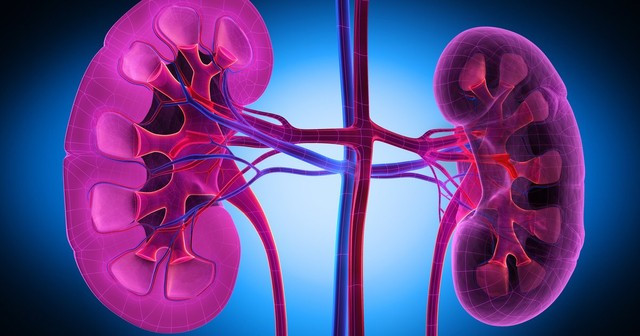
However, these symptoms are often nonspecific, and patients may overlook them or mistake them for other illnesses. Therefore, everyone should have regular health checkups or seek medical attention at a healthcare facility whenever they experience any abnormalities in their body, in order to detect and treat any problems early.
How can we prevent kidney disease?
There is no way to completely prevent kidney diseases in general. However, people can maintain a healthy lifestyle to reduce their risk of developing kidney disease by:
- Drink enough water
- If you have underlying medical conditions, they need to be well controlled: blood pressure, blood sugar, etc.
- Exercise regularly
- Maintain personal hygiene and practice safe sex.
- Limit foods high in fat, processed foods, and salty foods. Increase fiber, green vegetables, and fruits in your daily diet.
- Control your protein and potassium intake.
- Get regular health checkups to detect potential risks early and don't ignore any abnormalities in your body.


