
Russia's multi-billion dollar oil assets are 'stuck'.
Russia's oil assets, worth billions of dollars, are "stuck" in several countries after the US imposed new sanctions.
Lukoil, one of Russia's largest oil and gas companies, is currently unable to fulfill contracts, receive payments, pay employees, or transfer assets abroad.
Iraq suspends cooperation, millions of barrels of oil held back.
The Iraqi government has confirmed that it can no longer work with Lukoil because the Russian company is subject to US sanctions. Lukoil holds a 75% stake in the West Qurna-2 field, one of Iraq's largest fields with a production of over 400,000 barrels per day.
Iraqi Oil Ministry spokesman Abdul Sahib Bazoun al-Hasnawi said Lukoil had declared “force majeure” because it was unable to fulfill its contractual obligations. All payments related to crude oil and products from this field must go through the SWIFT system – which prohibits sanctioned companies from participating.
Therefore, Iraq temporarily suspended payments for approximately 4 million barrels of oil to Lukoil in November, pending the establishment of a new payment mechanism that complies with international law.
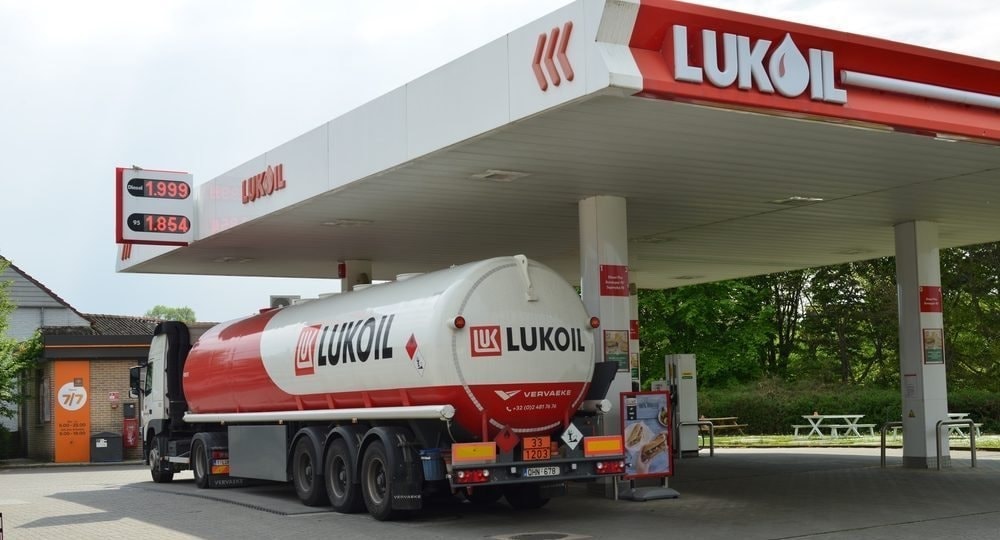
Lukoil tried to respond but encountered a deadlock.
Previously, Lukoil had attempted to sell some of its overseas assets to the Swiss oil trading company Gunvor, but had to halt the plan after the US Treasury Department refused to grant permission. The company also faced significant difficulties in paying the salaries of hundreds of workers in Iraq due to a lack of legitimate financing channels.
Beyond Iraq, many of Lukoil's other international assets also face the risk of being frozen. In Kazakhstan, their stake in the Chevron-operated Tengiz project could be affected. Meanwhile, Romania and Bulgaria, where Lukoil operates refineries, are considering legal options to avoid the impact of sanctions.
Bulgaria has stepped up security around the Burgas oil refinery and is preparing legislation that would allow the state to take over or sell the facility if necessary.
European energy supply chains are being impacted.
The US sanctions have also disrupted Lukoil's subsidiaries in Europe. In Finland, the Teboil petrol station chain is experiencing fuel shortages after suppliers, including Neste, suspended deliveries due to the risk of complying with sanctions.
Experts warn that asset freezes and transaction restrictions could have far-reaching effects on the global oil supply chain. If the situation persists, energy markets in Europe and the Middle East could experience significant volatility in the near future.


