
Turn off Wi-Fi and put your phone down to sleep better.
Not everyone knows how to get a good night's sleep and maintain good health.
The U.S. Centers for Disease Control and Prevention (CDC) estimates that more than one-third of American adults don't get enough sleep, averaging only about 7 hours per night. Surveys show that only about 60% of respondents are trying to improve their sleep habits.
This situation is also quite common in Vietnam today.
 |
Perhaps the reason many people feel tired is because they stay up too late watching movies, browsing YouTube, or scrolling through Facebook in bed. Scientists have confirmed that technology is changing the way we sleep.
So how can you get quality sleep? It turns out that technology can also create ideal sleeping conditions so you can rest better... Here are a few suggestions for you.
Use yellow light
One of the biggest culprits behind sleep deprivation is the blue light emitted from phone, computer, tablet, or even TV screens. This blue light tricks your brain into thinking it's still daytime, disrupting your circadian rhythm.
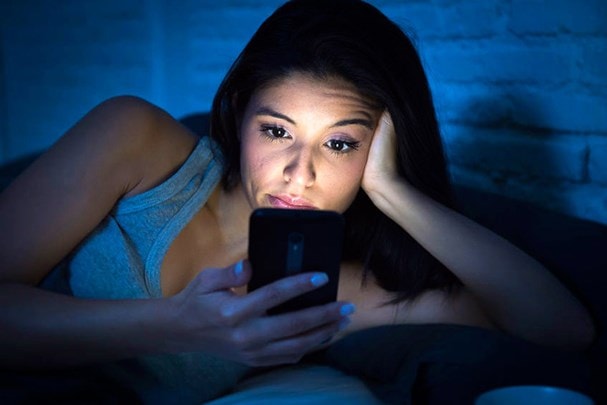 |
Therefore, use a blue light filter like Night Shift or f.lux at night to reduce the amount of blue light. If you use smart bulbs in your home, you can switch them from a white to a warmer tone.
White noise
When you're ready for bed, try using a smart speaker as a white noise device. Google Home and Alexa speakers are capable of playing all sorts of nature, city, or other relaxing sounds and helping you easily fall asleep within a set timeframe.
Keep your phone out of the bedroom.
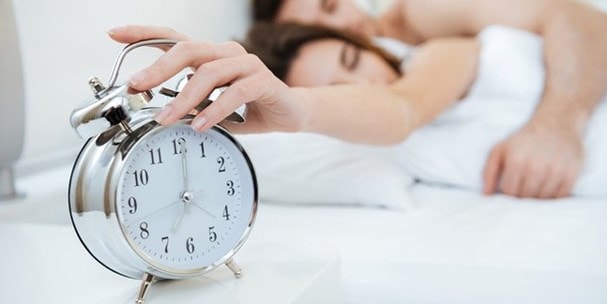
Many of us often leave our phones by our beds to wake up in the morning, checking all those missed notifications. The advice is to try using your smart speaker as an alarm clock and change your morning routine.
TBest of all, wake up to light instead of noisy alarms. By keeping your phone out of the bedroom, you won't be able to browse Facebook or wake up to check notifications in the middle of the night.
Smart speakers now offer more sophisticated alarm clock capabilities. You can wake up to a song or playlist of your favorites, or to weather and news announcements you frequently listen to.
Sleep tracking
You may be getting enough sleep, but not all sleep is of quality. Fortunately, there's no shortage of ways to track your sleep.
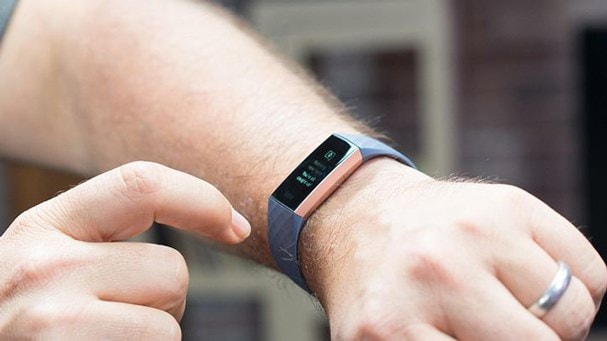
You can use smart bands like the Fitbit Versa and Garmin Vivomove HR to track your sleep. Just wear it to bed and it will track you overnight to show how much deep sleep you get and how many times you've been awake.
 |
If you don't want to wear anything while sleeping, sensors like the iFit Sleep HR and Eight Sleep Tracker will help you know how you're sleeping. There are even smart mattresses now that track your sleep quality.
Changes in temperature
You might find it difficult to sleep if it's too warm or too cold. With a smart thermostat, you can schedule it to start warming or cooling right before bedtime.
Wake up naturally
One of the quickest ways to ruin a good night's sleep is being woken up by a loud, annoying noise. Instead, try switching to a normal alarm sound and pairing it with a smart bedside light. When it's time to get up, you can slowly turn off the light while the alarm sound intensifies.
Catching up on sleep the right way
After a few nights of staying up late for work or studies, many people often fall into a state of sleep deprivation – sleep debt. This is very harmful. However, sleeping in until noon the next day or on weekends is not beneficial.
The best way to eliminate this is to sleep an extra hour or two each day until you feel more comfortable. In other words, you need to force yourself to go to bed an hour earlier each night for a week or wake up a little later.
Follow your natural circadian rhythm.
Normally, the human body has a natural circadian rhythm. You might wake up within one or two hours of sunrise and start feeling sleepy after sunset.
 |
That being said, artificial light from your screen or household lights can affect this. That's why we shouldn't watch TV before bed or play on our phones in bed.
Disrupting your natural circadian rhythm, or unintentionally altering it due to computers or phones, can seriously affect your sleep quality. When you feel your circadian rhythm needs to get back on track, consider dedicating a weekend to going to bed at a consistent time. Natural light will help you return to your correct circadian rhythm.
Reduce coffee intake.
Typically, you'd need a cup of coffee to stay alert in the afternoon. However, the effects of caffeine vary from person to person. It can not only keep you awake at night but also affect sleep quality. This substance can even remain in your bloodstream for up to eight hours, so drinking a cup of coffee after lunch does more harm than good.
 |
A short nap of 10-20 minutes will have a similar effect to drinking coffee.
Use an air purifier or humidifier.
Wake up to find yourself with a dry mouth, cracked lips, or a nosebleed? That could be because the humidity in your home is too low. A humidifier will help add moisture to the air, which not only makes the room temperature cooler but also helps reduce dry skin and protects your sinuses.
Similarly, if the dust levels in your home are high (especially if you have pets), you may snore or sneeze constantly. Both of these will affect the quality of your sleep.
Comfortable bed sheets
If the indoor temperature is stable but you still wake up drenched in sweat, it's probably your bed sheets. Most synthetic sheets tend to retain heat. Therefore, you can replace them with cotton sheets or absorbent sheets to keep you cool at night.
 |
Additionally, you need to adjust your pillow to suit your needs. The pillow should be appropriate for your resting needs and should always be clean.


