
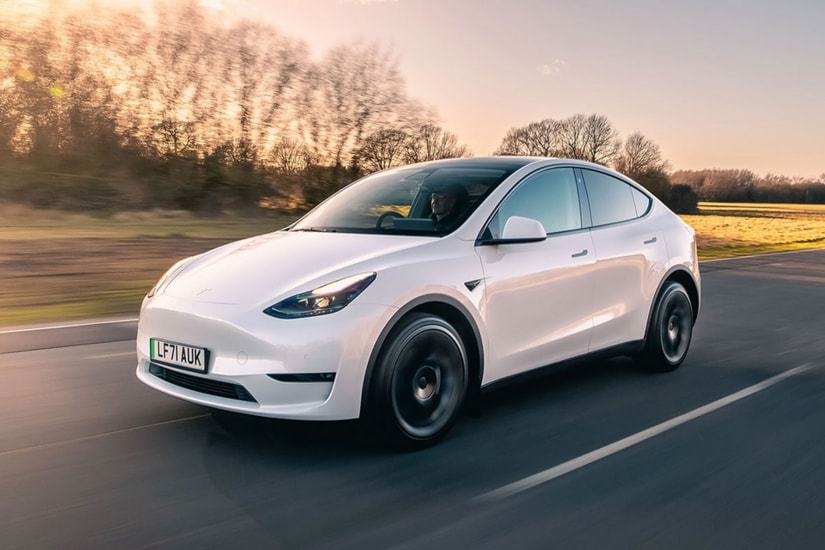
Tesla Model Y 2-3 years old: Worst reliability according to TÜV.
TÜV 2026 ranked the Tesla Model Y last among 2-3 year old vehicles with a failure rate of 17.3% – the highest in the past 10 years. The Model 3 followed with 13.1%, while the average was just 6.5%.
The Tesla Model Y received the worst reliability rating in the TÜV 2026 report for 2-3 year old vehicles, with a failure rate of 17.3%. This is the highest rate in the past 10 years for TÜV and the first time the Model Y has been included in the test. The Model 3 also performed poorly, ranking second from the bottom with 13.1%, while the average for this age group is only 6.5%.
TÜV 2026: Data and Scope of Testing
The TÜV 2026 report compiles data from 9.5 million vehicles, evaluating 216 popular models that are 2–3 years old. TÜV (Technischer Überwachungsverein) is a network of seven independent organizations based in Cologne, Germany, with nearly 150 years of experience in quality testing and certification. The results therefore carry significant weight for the market.
Before the Model Y appeared on the list, the Model 3 was at the bottom. With the new data, the Model Y has taken its place at the bottom, pushing the Model 3 to the second-to-last position, creating a situation where both Tesla models are among the least reliable in terms of mechanical reliability.
The issues that caused the Model Y to fail inspection.
The report indicates that TÜV focused on road adaptability and mechanical quality, not on evaluating smart features. The main issues noted in the Model Y include:
- Suspension system:Nearly 20% of vehicles failed the first inspection. The main problem was related to the "control frame." A major German auto parts company has developed reinforced components to fix this.
- Braking system:The regenerative braking mechanism saves fuel but results in less frequent use of the brake discs, making them prone to rust and reduced performance – especially in Germany's humid climate.
- Lighting system:The recorded beam angle deviation and reduced brightness could affect response in emergency situations.
These combined defects result in a significantly higher failure rate compared to the average for vehicles that are 2–3 years old.
Compared to other models in the same age group
Several other electric vehicle models performed significantly better. The Mini Cooper SE and Audi Q4 e-tron had failure rates of 3.5% and 4.0%, respectively. Notably, the Mazda 2 led in reliability with 2.9%.
| Car model | Disability rate | Note |
|---|---|---|
| Tesla Model Y (2–3 years) | 17.3% | TÜV's highest score in the past 10 years. |
| Tesla Model 3 (2–3 years) | 13.1% | Penultimate; last year 14.2% |
| Average age group | 6.5% | Reference |
| Mini Cooper SE | 3.5% | Tram |
| Audi Q4 e-tron | 4.0% | Tram |
| Mazda 2 | 2.9% | Lowest in the table |
Impact on the German market
The German inspection results come with unfavorable market signals for Tesla. In November, Tesla's vehicle registrations reached 1,763 units, down more than 20% from the same period last year. Meanwhile, the total number of new electric vehicle registrations across the market reached 55,740 units, an increase of 58.5%.
Cumulatively, total electric vehicle sales in Germany reached 434,627 units, an increase of nearly 40%. Tesla alone sold 15,595 units, a 50% decrease compared to the previous year. A recent survey found that 94% of Germans have no intention of buying a Tesla, with only 3% willing to consider it. Besides factors related to statements from executives, word-of-mouth about product quality is a significant contributing factor.
Technical and maintenance perspective
The TÜV results highlight the fundamental mechanical aspects. In a context where "cars are defined by software," faults in suspension, brakes, and lighting remain items that directly impact driving experience and safety, leading to increased maintenance costs.
- Brake:With electric vehicles that utilize powerful renewable energy, careful operation and maintenance are necessary to minimize brake disc rust in humid environments.
- Hang and link:Misalignment or wear in components such as the "control frame" can increase noise, vibration, steering misalignment, and affect stability.
- Lighting:Failure to meet the required beam angle and light intensity will result in a failed inspection; regular calibration and inspection are necessary.
With the Model Y, the report suggests that improving mechanical durability and operational capabilities in European climates should be prioritized, rather than simply adding software features.
Conclude
Tesla Model Y vehicles in their 2-3 year age range are showing lower-than-average reliability in the 2026 TÜV inspection, with a failure rate of 17.3% – the highest in the past 10 years. The Model 3 achieved 13.1% and remains at the bottom of the list. With competitors like the Mini Cooper SE and Audi Q4 e-tron recording failure rates of 3.5% and 4.0% respectively, the gap highlights the significant pressure Tesla faces in Germany.
From a consumer perspective, reliability and long-term maintenance costs are becoming key deciding factors. For Tesla, prioritizing improvements in mechanical quality – particularly in suspension, brakes, and lighting – could be the key to regaining momentum in this market.


