
Procedures for handling a car that is stuck in gear while driving.
(Baonghean.vn) - Gear jamming is a fairly common problem in older cars - it's not a very serious malfunction, but it poses many dangers while driving on the road. So what causes gear jamming?
1.Stuck on number N
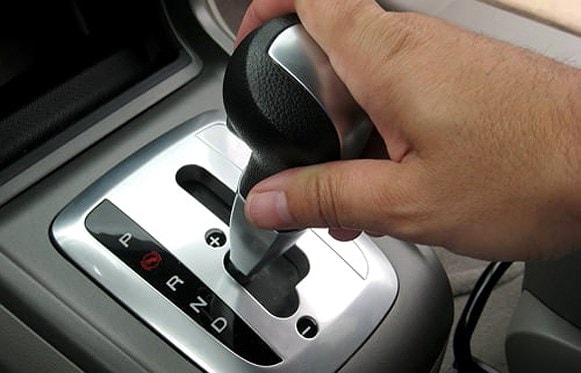 |
If the gear lever is stuck in neutral (N), the first step is to restart the engine and accelerate the vehicle by forcing the gear lever into first gear... The transmission will initially resist, but the force applied to the lever creates friction between the synchronizer gear and the rotating gear, causing the vehicle to move slowly. When the vehicle speed reaches the required speed for first gear, the gear lever will slide into place and the vehicle will resume normal operation.
Once the car is in first gear, press and release the accelerator pedal firmly. You can slide the gear lever to neutral (N) and push it into the second gear slot, but don't force it. Wait until the engine slows down to the speed of the second gear transmission; the gear lever will then automatically slide into the second gear slot.
2. P gear stuck
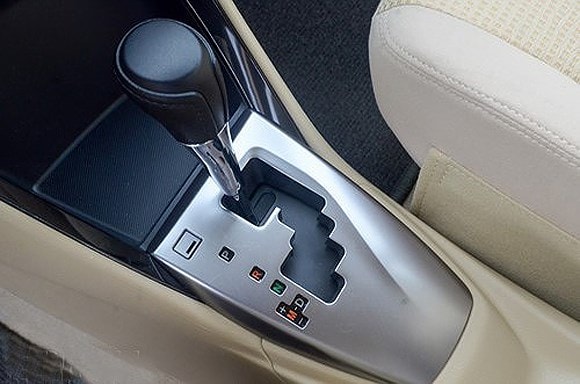 |
Stuck in P gear is common in older cars; when the car is stuck in P gear, it will be difficult to start the engine and impossible to shift gears. This causes the gear lever to become stiff, requiring forceful acceleration to slowly shift to reverse (R) gear... The cause is a broken or misaligned gear lever pin causing the gear cable to jam; or it could be a damaged one-way clutch, or a damaged turbine blade inside the torque converter of the transmission.
In both of these cases, you must have your vehicle inspected immediately; if the gear shift knob is broken or the cable is damaged, replace the cable. If the turbine is broken, you must replace the entire transmission.
3.Temporary gear jam, difficulty shifting gears.
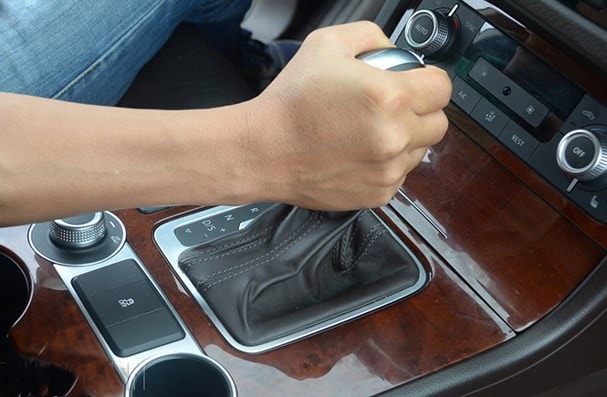 |
When a vehicle is used excessively throughout the day, it's easy to encounter problems such as difficulty shifting gears, stiff gear engagement, and a grinding sound. This is often due to incomplete clutch disengagement. In this case, check for brake fluid leaks; if present, adjust the clutch. If you feel the vehicle vibrating or have difficulty shifting gears while driving, use a dual-clutch system (i.e., use the clutch for momentum, throttle at 0).
There are many other reasons why a car might have difficulty shifting gears. It could be due to worn clutch plates or a "worn-out" pressure plate. In this case, you need to take the car to a professional repair shop to replace the necessary parts.
* Causes of gearbox malfunction
- Lack of oil:If the transmission fluid is not changed regularly, the moving parts in the transmission will overheat, causing excessive friction that can burn the fluid and lead to malfunctioning oil valves.
- Dirty oil:Not changing the oil for too long will cause the oil to become contaminated by metal particles generated during the gearbox's operation. These metal particles mix with the oil, causing blockages in the valves and oil lines leading to the gear set.
- Using the wrong type of oil:Each car model and manufacturer may use different types of oil with varying standards; in particular, newer cars have stricter oil requirements. Using the wrong type of oil can easily damage the car's transmission.


