The world in 2024 and the landscape for the period 2025-2028
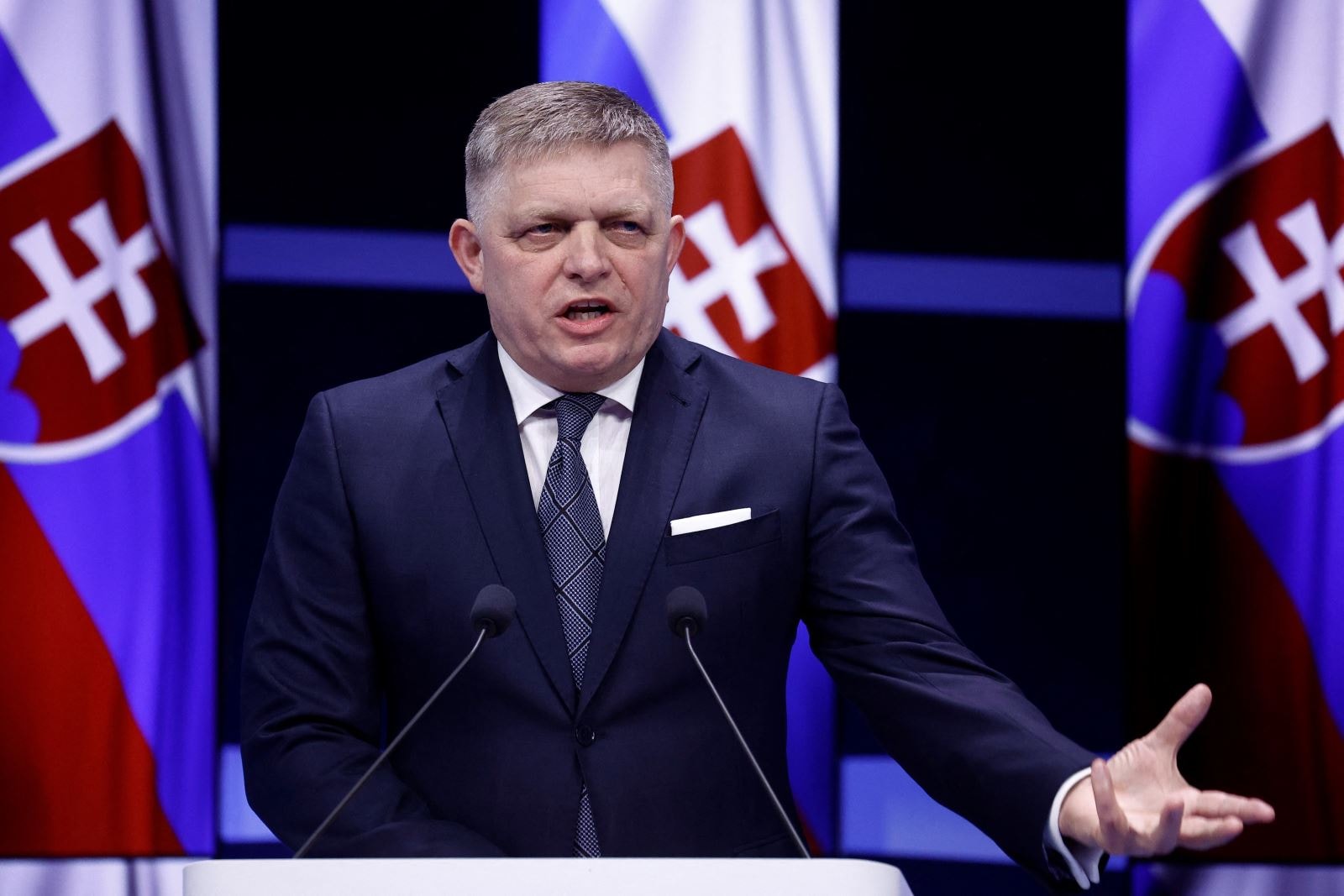
In 2024, the world witnessed a serious political crisis in Western countries, primarily focused on G7 nations such as the United States, France, Germany, and Japan. Nghe An Newspaper conducted an interview with Associate Professor, Major General Le Van Cuong, former Director of the Institute of Strategic Science under the Ministry of Public Security, to analyze this major crisis and its impact on the global landscape in the coming period.
.png)
US Russia(Execution) • January 27, 2025
PV:General, what are the most significant events that shaped the global landscape in 2024, and why?
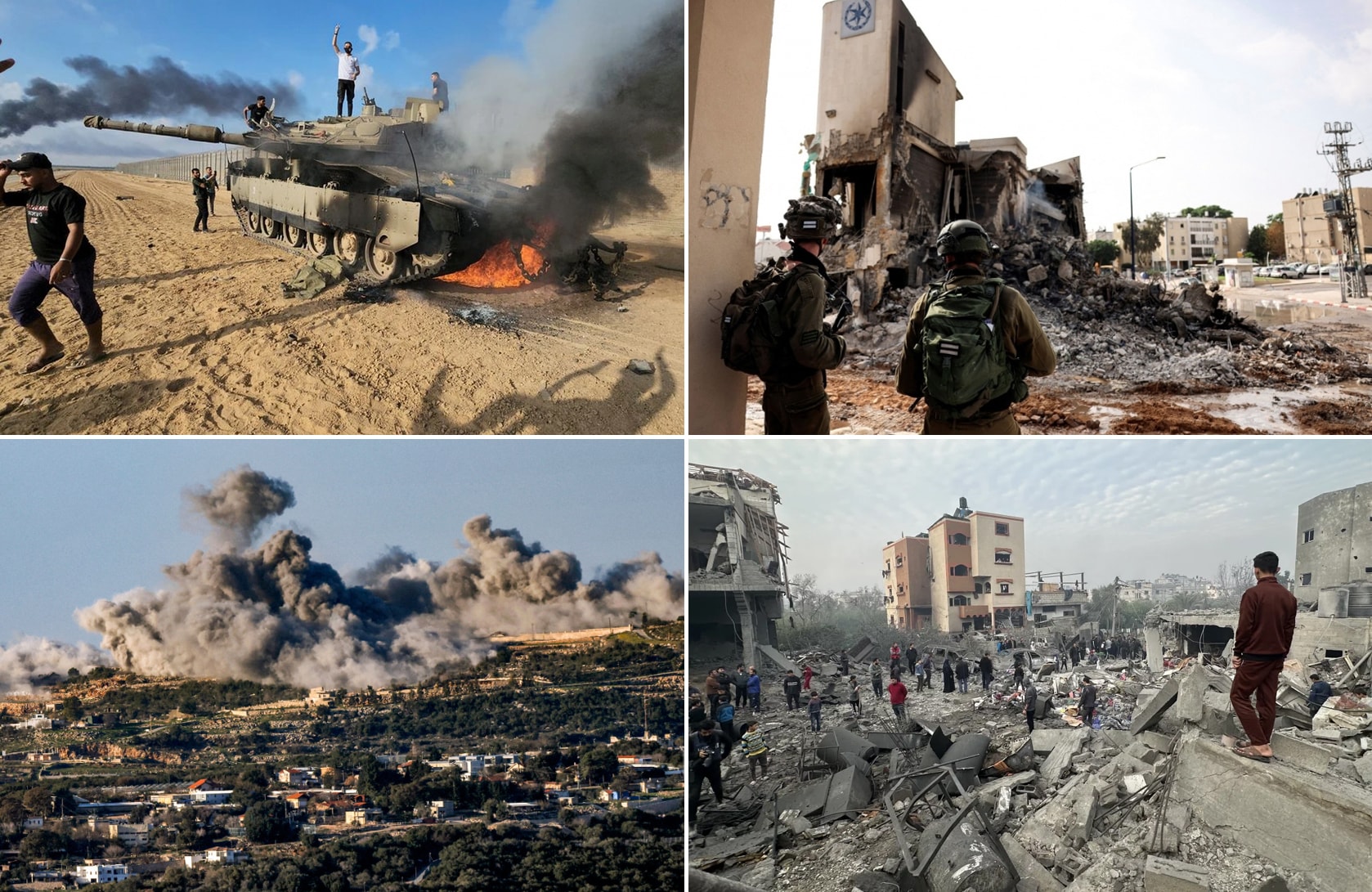
Major General Le Van Cuong:Each year, the world witnesses numerous major events related to economics, politics, security, foreign relations, and natural disasters. Some of these events leave a lasting impression. For example, 2021-2022 saw the outbreak of the Covid-19 pandemic, causing a global catastrophe. Alongside this, the Russia-Ukraine conflict was a prominent event of 2022. Similarly, in 2023, the world was surprised by Hamas's largest attack on Israel in over seven decades, leading to a devastating war between Israel and Hamas and Hezbollah. Entering 2024, conflicts in Ukraine and the Middle East continued, but lacked the "weight" to mark the year. The severe political and social crises in the United States, Japan, and the key powers of the European Union (EU) created the most significant global impact of 2024.
PV:To clarify the issue mentioned above, let's start in Europe. Looking back at the political developments of the "old continent" in 2024, from a symbol of peace and prosperity, it has become a place witnessing much chaos. Can the Major General elaborate further on the instability and its underlying causes?
Major General Le Van Cuong:From the mid-second decade of the 21st century, the EU began to face numerous internal difficulties and external pressure, primarily from the United States. Entering the third decade of the 21st century, the EU plunged into an increasingly severe economic, political, and security crisis. The European Parliament (EP) elections in June 2024 reflected this reality. The EP elections were a race between liberal and center-left parties versus center-right, conservative, extremist, and far-right parties. The competition between these political forces will significantly impact European policy over the next five years, especially on crucial issues related to the Union's survival, such as: security and defense; immigration; the role of Ukraine; Europe's relations with the US, Russia, and China; and combating climate change.
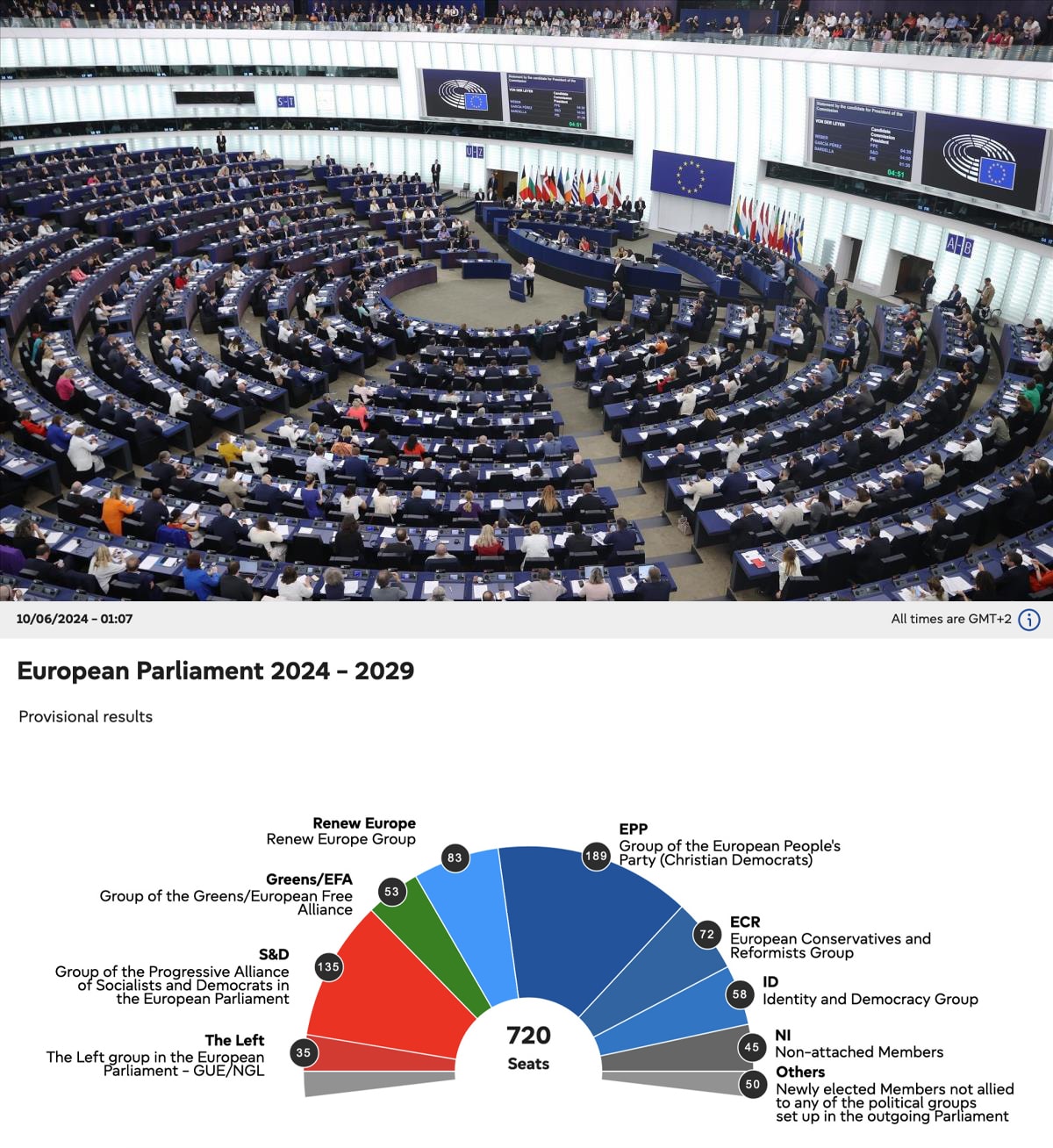
Compared to previous EP elections, 2024 is different in that the rise of populism and far-right movements across Europe has led to the greatest political polarization in Europe since 1979 – the first year of EP elections. The growing influence of these movements has been exacerbating existing conflicts between member states.
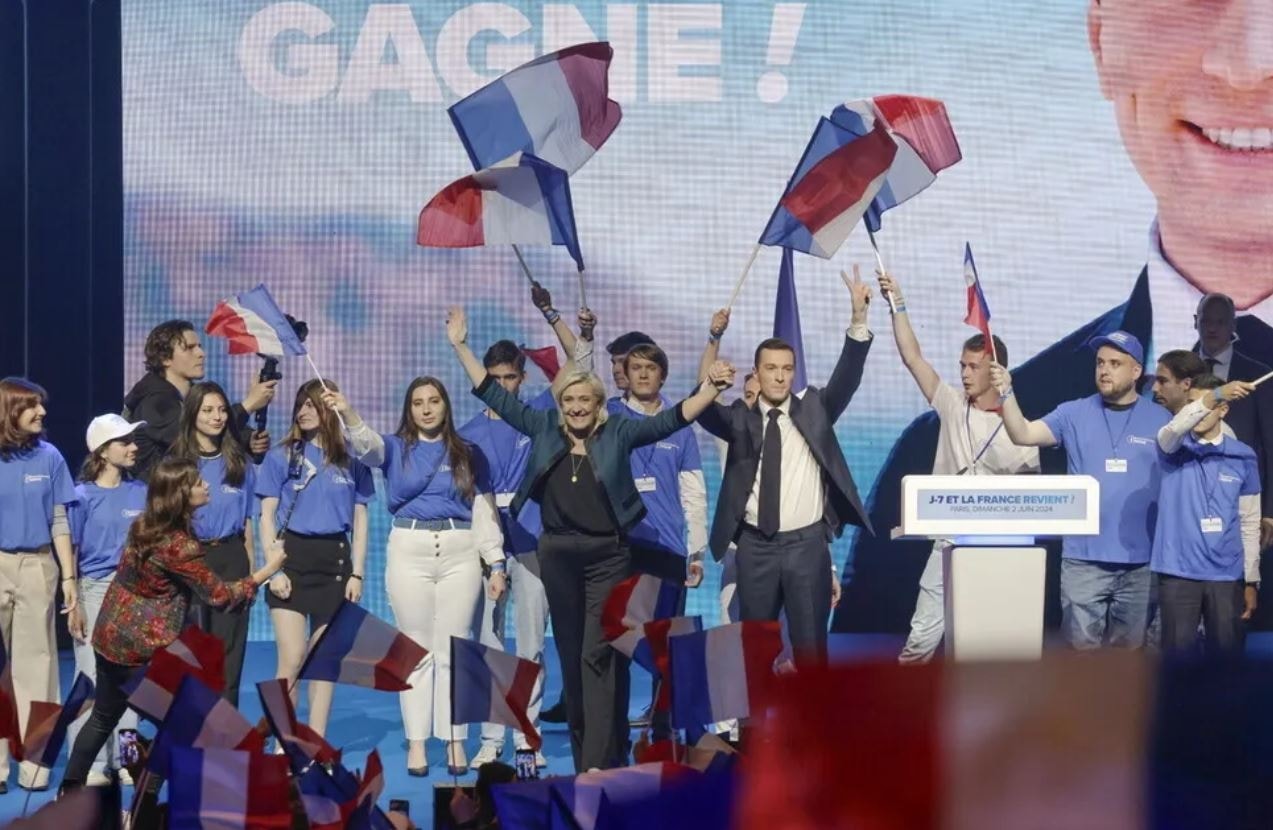
The results of the EP elections in June 2024 clearly illustrate the current socio-political crisis in Europe. In France, the far-right National Front party, led by Jordan Bardella, defeated President Emmanuel Macron's Renaissance party. Following this defeat, Macron was forced to dissolve the National Assembly and hold early elections.
In Germany, Chancellor Olaf Scholz's Social Democratic Party received its lowest result ever, with 14% of the vote, while the far-right Alternative for Germany party garnered 16.5%. The German Chancellor's cabinet also faced a severe crisis and was forced to hold early elections in January 2025.
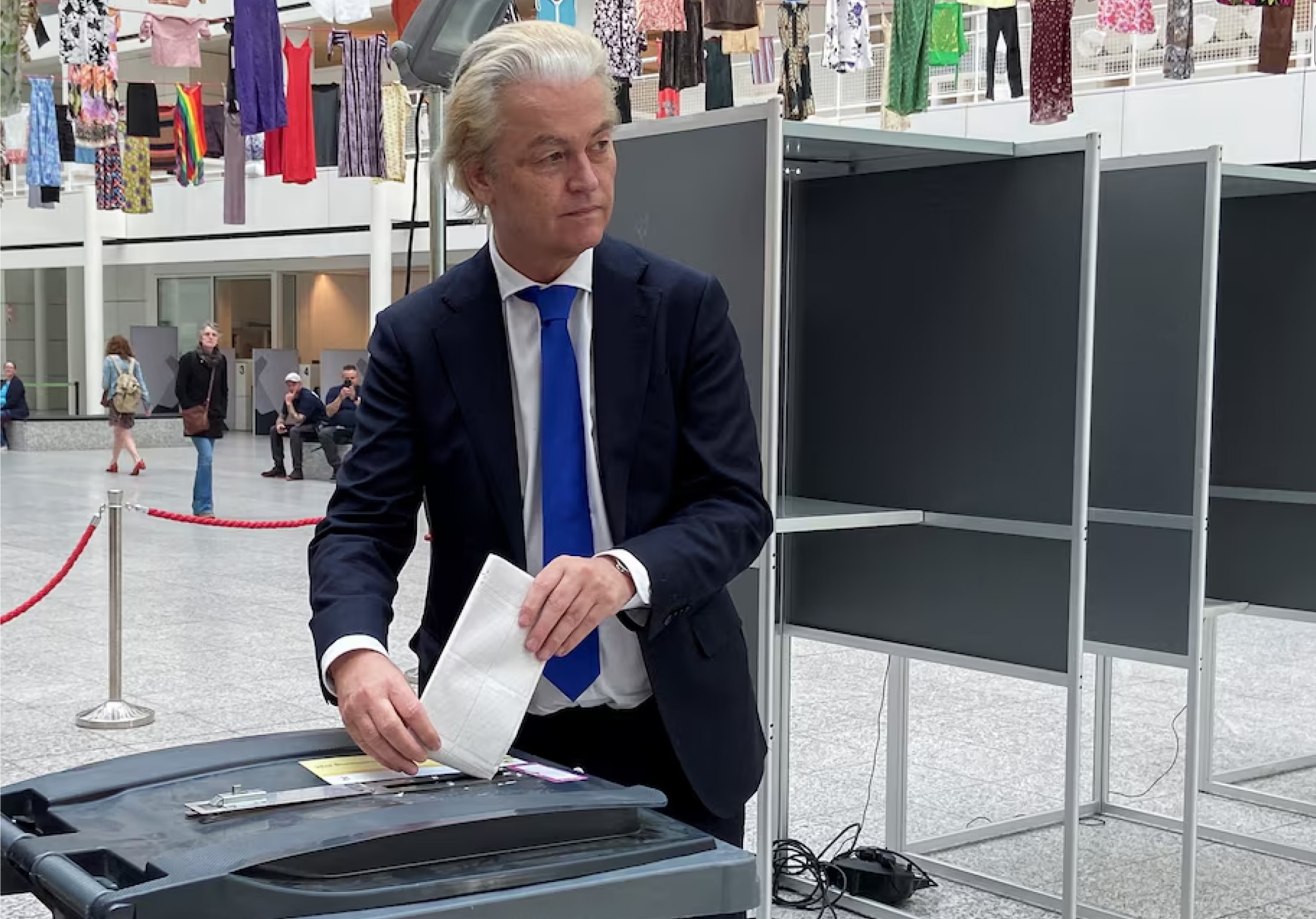
A similar scenario unfolded in Belgium, Italy, Hungary, Spain, and the Netherlands, where far-right populist parties achieved significant victories over the ruling parties.
On May 26, 2024, French President Emmanuel Macron declared that Europe was experiencing a democratic crisis and facing a record of "internal and external enemies," and that Europe was at risk of complete collapse.
PV:General, not only in Europe, but Asia also witnessed political crises last year, such as in Japan and South Korea. These are countries that are both economic powerhouses of the region and major democracies, yet they are facing many risks. Could you elaborate on this, General?
Major General Le Van Cuong:In Japan, Fumio Kishida took office as Prime Minister in early October 2021 and resigned in September 2024 – a year before the end of his four-year term. The direct cause was a financial scandal involving dozens of politicians from the ruling Liberal Democratic Party (LDP) totaling approximately 600 million yen – undocumented political donations, corruption, and bribery.
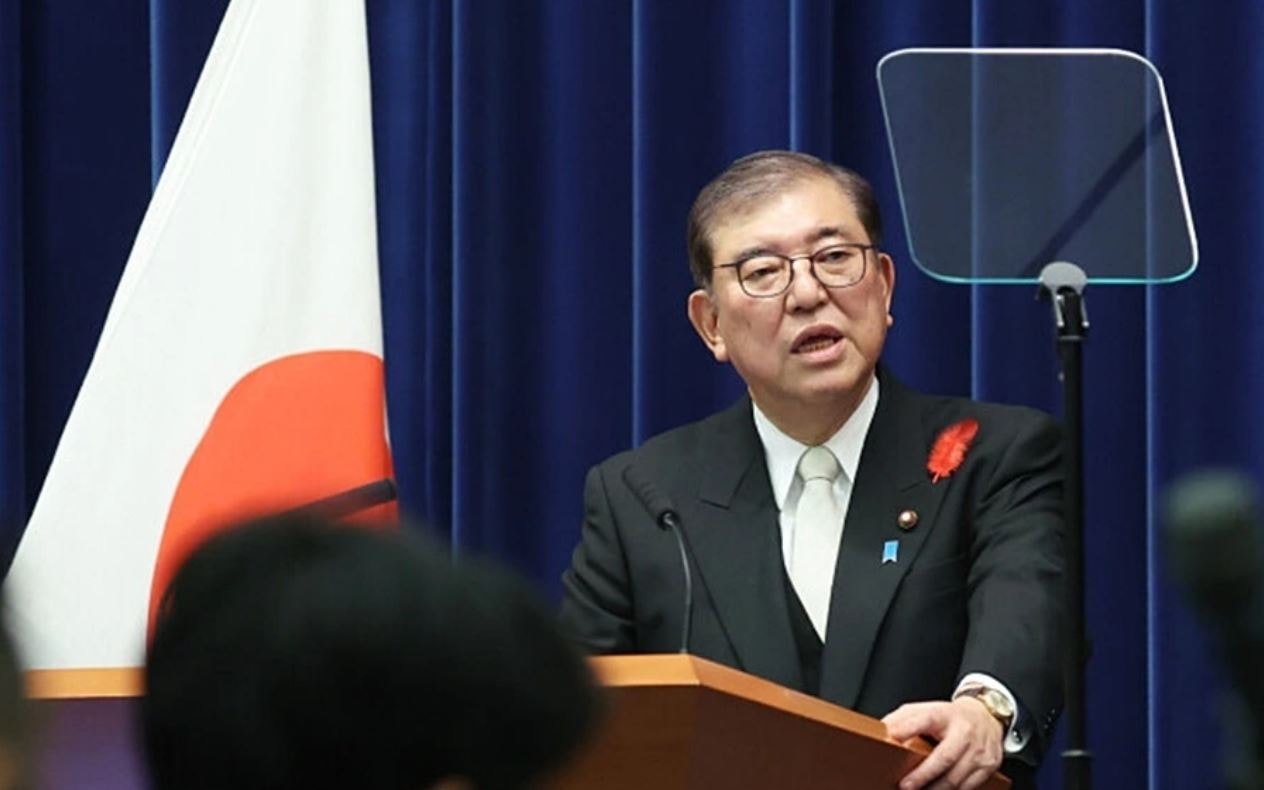
In late September 2024, Shigeru Ishiba was elected President of the LDP and became Japan's 103rd Prime Minister on October 1, 2024. However, after only four weeks in office, his approval rating plummeted to 20% due to policy mistakes. To salvage the situation, Prime Minister Ishiba decided to hold an extraordinary election at the end of October, but the LDP once again suffered a defeat – losing its majority in the Lower House.
So why did the LDP – the oldest and most powerful political party – fall into such a severe crisis? In reality, this crisis had been brewing for a long time in Japan. During his three years in power, President Kishida paid little attention to the needs of the people and social welfare, instead focusing on strengthening alliances, increasing defense spending, including close cooperation with NATO, and encouraging the alliance's expansion into Asia… This is considered a misguided policy of the Kishida administration, and the LDP suffered defeat after 70 years of dominating Japanese politics.
The current Prime Minister of Ishiba, a candidate recommended by Mr. Kishida, enthusiastically promotes an "Asian NATO" security structure with a US-Japan alliance at its core.
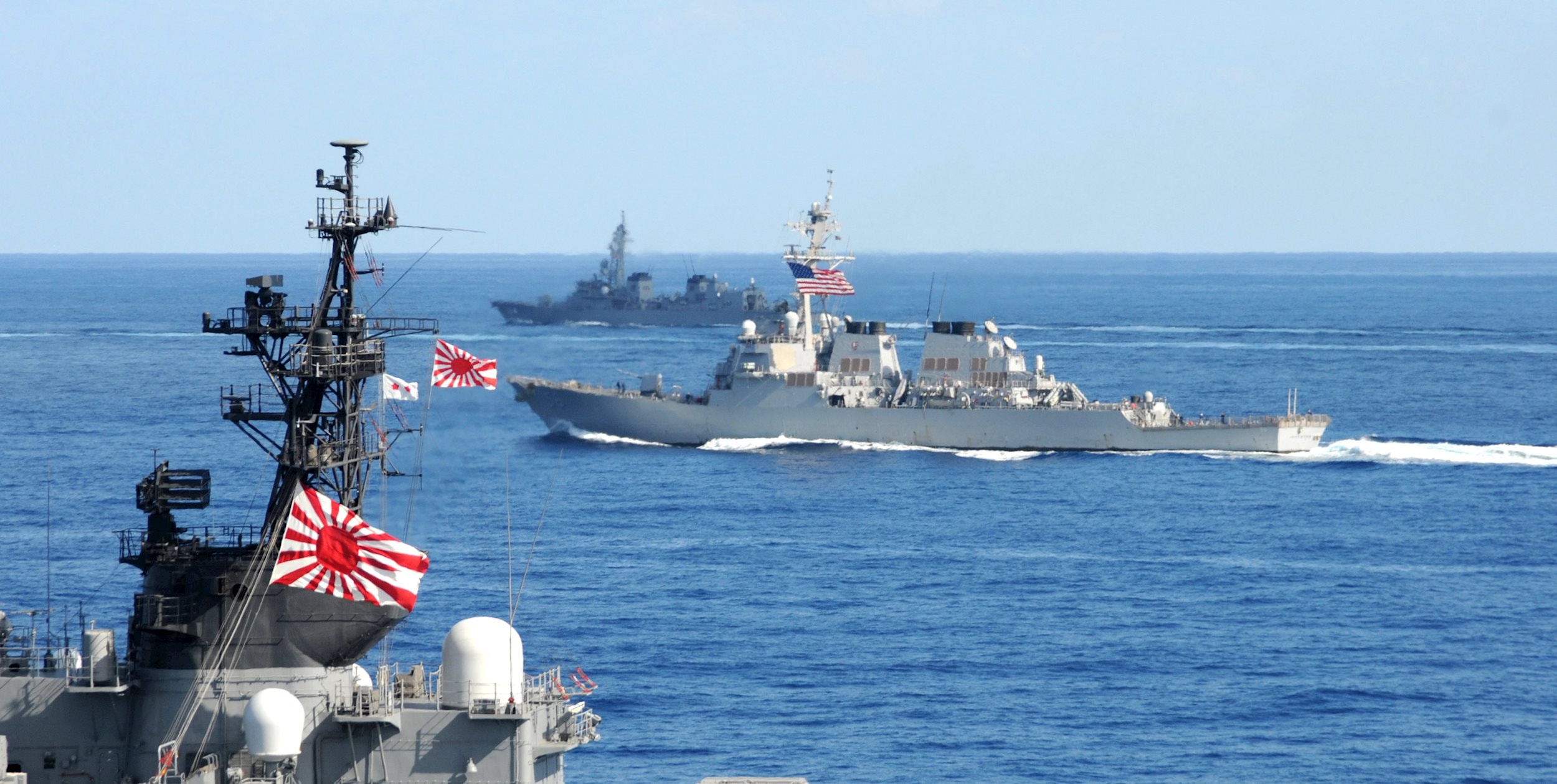
It seems that Prime Minister Ishiba is following in the footsteps of his predecessor. Ahead of Prime Minister Ishiba lies an unpredictable future, fraught with challenges. Japanese politics may remain mired in crisis for many years to come.
PV:We cannot fail to mention the US election – the biggest and most complex election on the planet, which generated considerable media attention and observer interest in 2024. General, could you summarize the key highlights of this election?
Major General Le Van Cuong:The 47th US presidential election attracted worldwide attention because the US is a superpower. Economically, the US has the world's largest economy and plays a dominant role in global economic institutions such as the World Bank, the International Monetary Fund, and the World Trade Organization. In terms of defense and security, the US dictates the activities of NATO and other bilateral alliances.
With such comprehensive power, the United States plays a dominant role in the economic, political, and security development of the world. To varying degrees, the actions of the White House affect the interests of countries, especially major powers.
There are three key differences in the 2024 US election: Republican candidate Donald Trump survived two assassination attempts and ran while facing a series of criminal charges; American politics was more deeply divided than ever before, with voters losing faith in the government; the US waged a proxy war against Russia in Ukraine and directly participated in Israel's war against Hamas in Gaza and against Hezbollah in Lebanon.
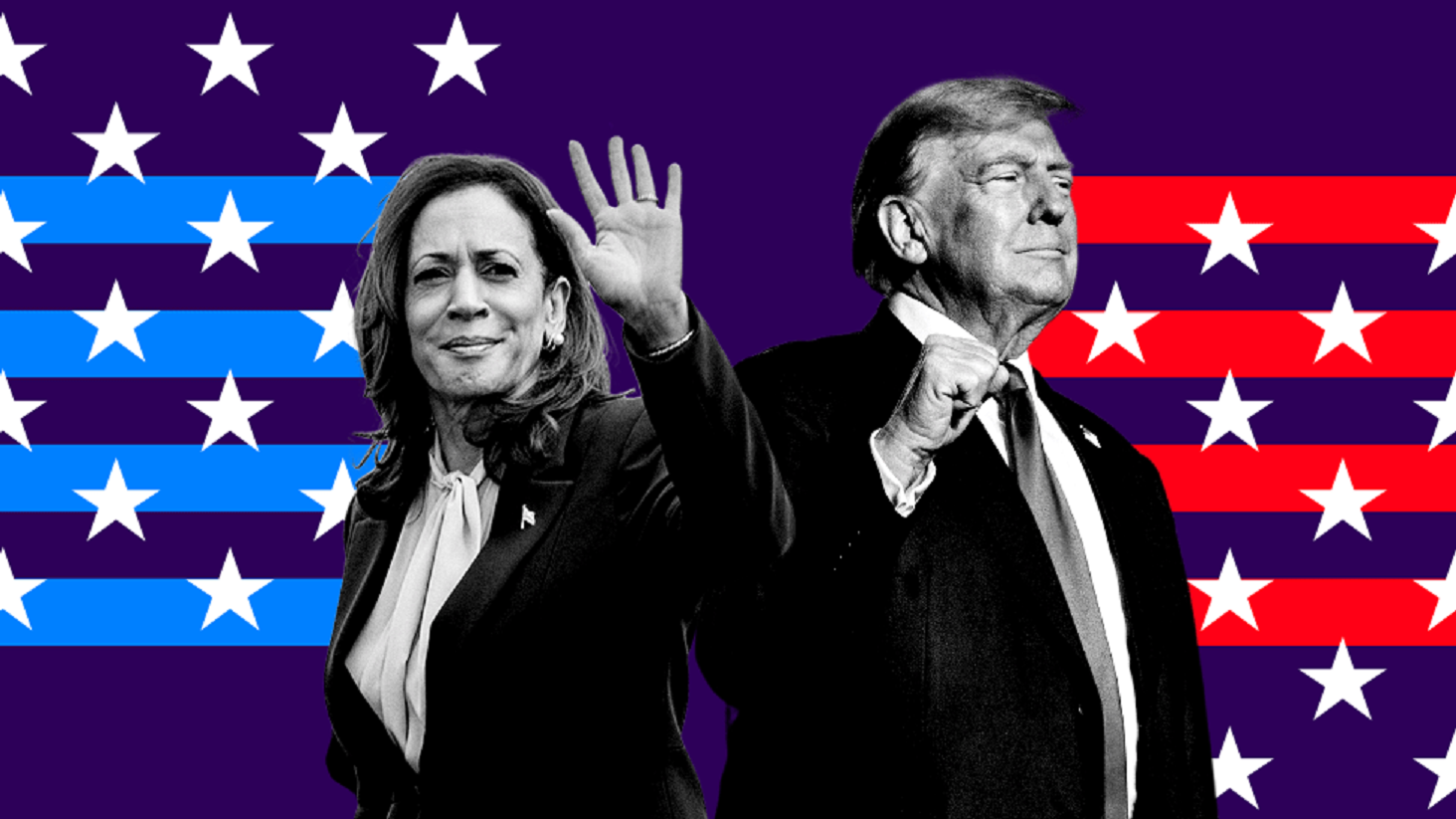
Former President Donald Trump's overwhelming victory can be explained by several factors. During the four years under President Joe Biden's administration, the US economy experienced its highest inflation rate in 30 years. As a result, people struggled with the cost of living. This led to the Biden-Harris administration losing public trust, and voters turned to Trump. Furthermore, during the campaign, Vice President Harris failed to offer viable solutions to the economic problems.
Trump's victory shows that the Biden administration and the Democratic Party have continued to push the superpower into a serious crisis, especially in political and social terms. In the next four years (2025-2028), will a Trump 2.0 administration be able to pull the superpower out of the current crisis? It is highly likely that Trump will further deepen existing societal conflicts and plunge the US into an even deeper crisis.
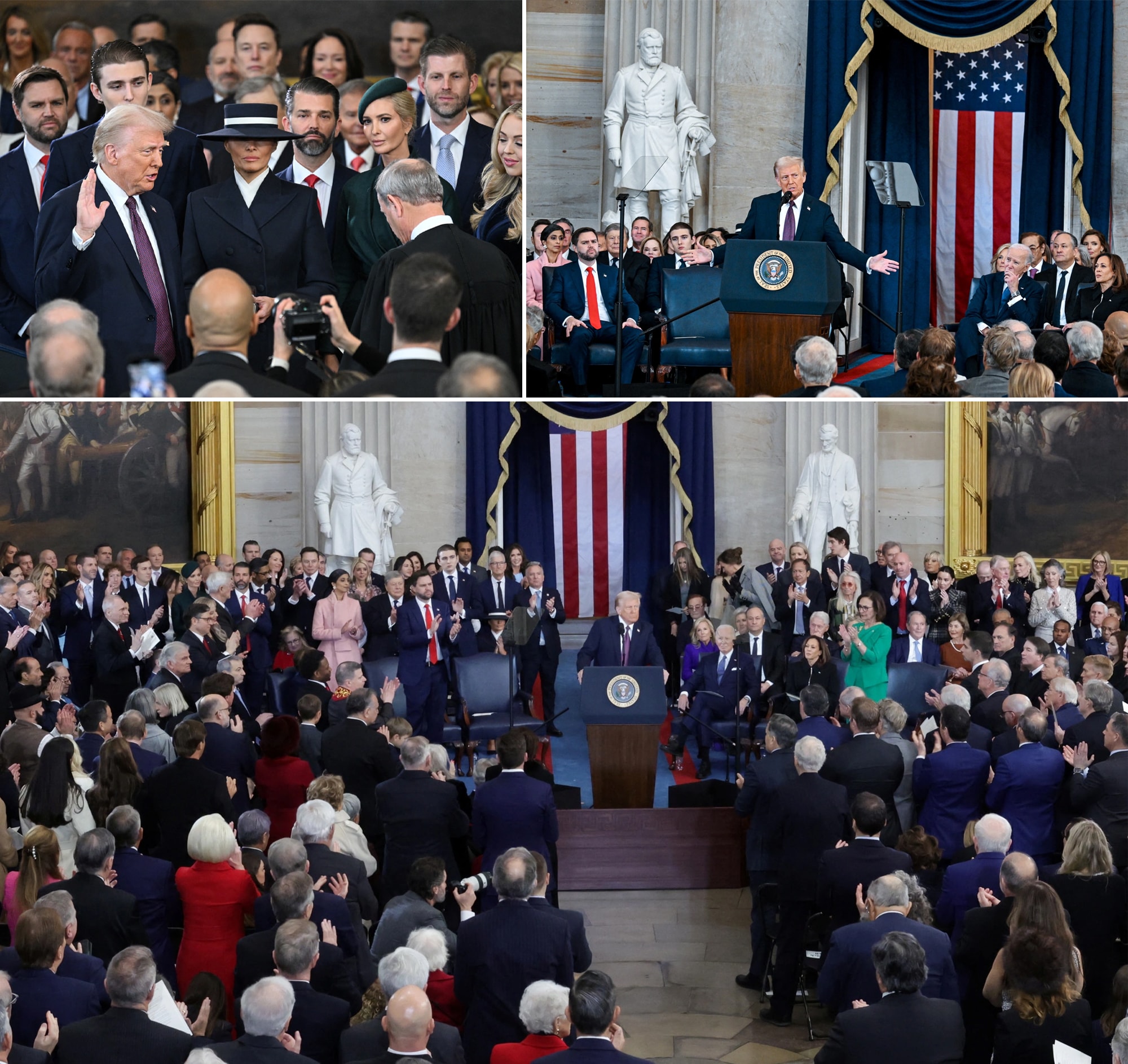
PV: So, General, under the influence of the Trump 2.0 administration, what will the global landscape be like in the period 2025-2028?
Major General Le Van Cuong:The world is full of uncertainty, and no one can say for sure what will happen under a Trump 2.0 administration.
To make a prediction, I believe that Trump's inherently "unpredictable" personality will only make the world more turbulent, insecure, and unpredictable, and the situation may even worsen.
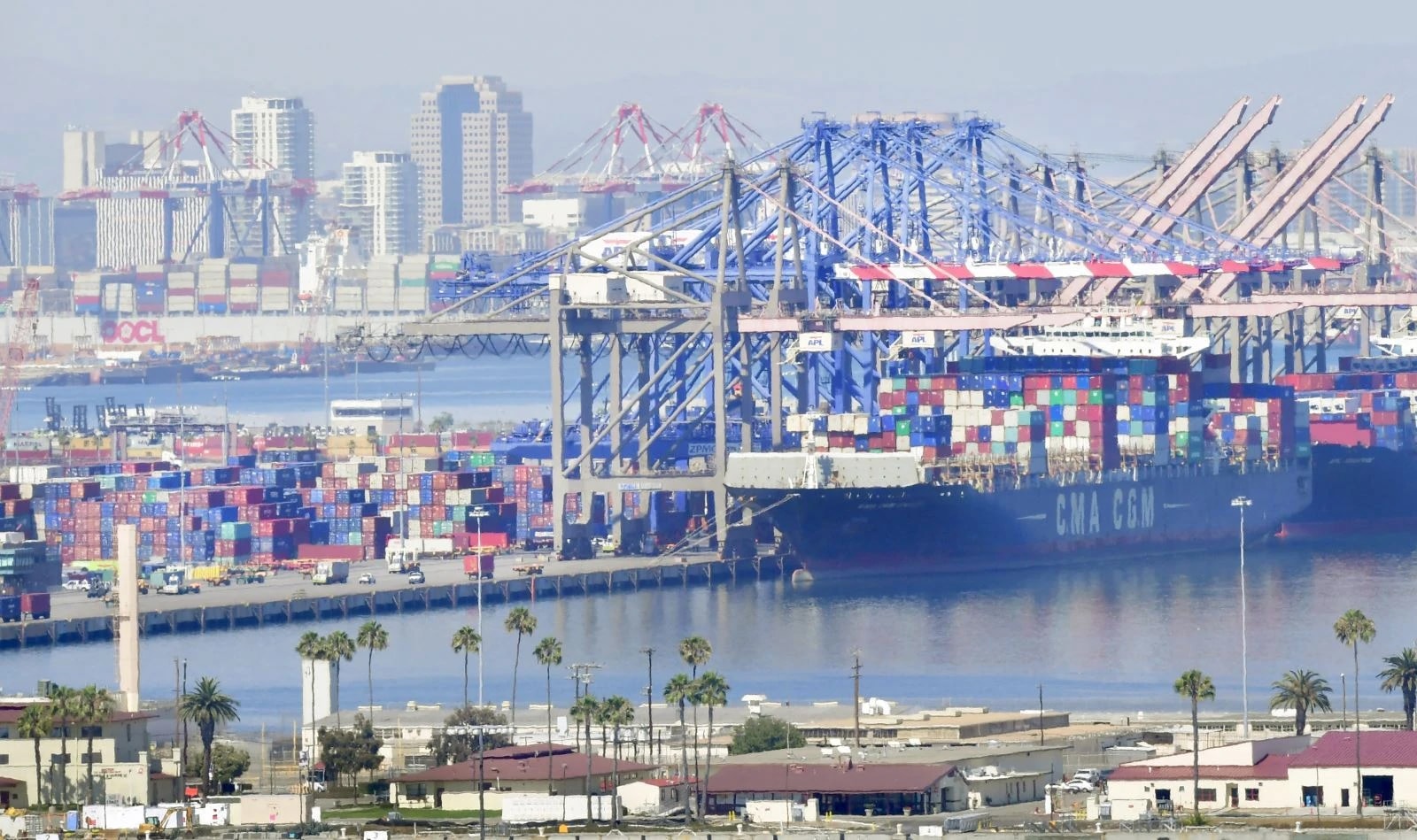
Economically, the 47th President of the United States will use the "sword" of tariffs to strike every economy, regardless of whether they are allies, partners, or rivals. However, President-elect Trump's tariff campaign will not make "America Great Again," and will even force the American people to struggle more, leading to further fragmentation and recession in the global economy.
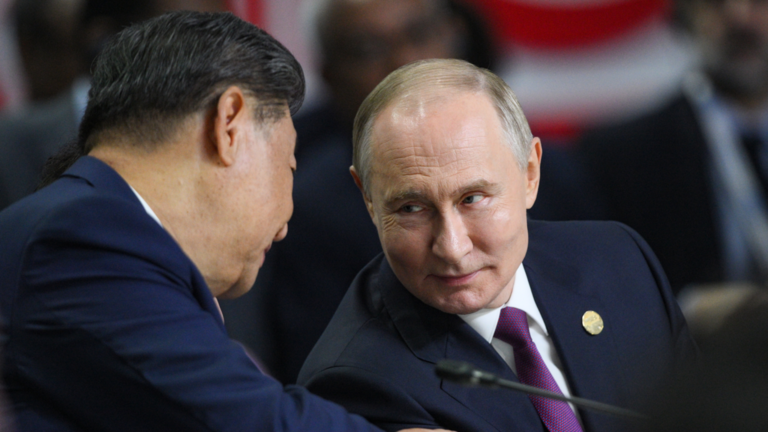
Regarding the Ukraine conflict, Donald Trump has repeatedly stated his intention to end it. His principle is to achieve peace through strength. The equation for resolving the Russia-Ukraine conflict, as outlined in Trump's team's proposed "Peace Plan," can be envisioned as follows: Demand that the Ukrainian president negotiate with Russian President Vladimir Putin to end the hostilities. If President Zelensky refuses, Trump will cut military aid. And if President Putin does not comply, Donald Trump will increase economic and military aid to Kyiv, while simultaneously calling on Europe to join forces to defeat Russia.
President Zelensky is likely to comply with Trump's request, but the Russian leader will not. Therefore, President-elect Donald Trump may escalate the Russia-Ukraine conflict into a more devastating conflict, even potentially leading to a direct confrontation between NATO and Russia.
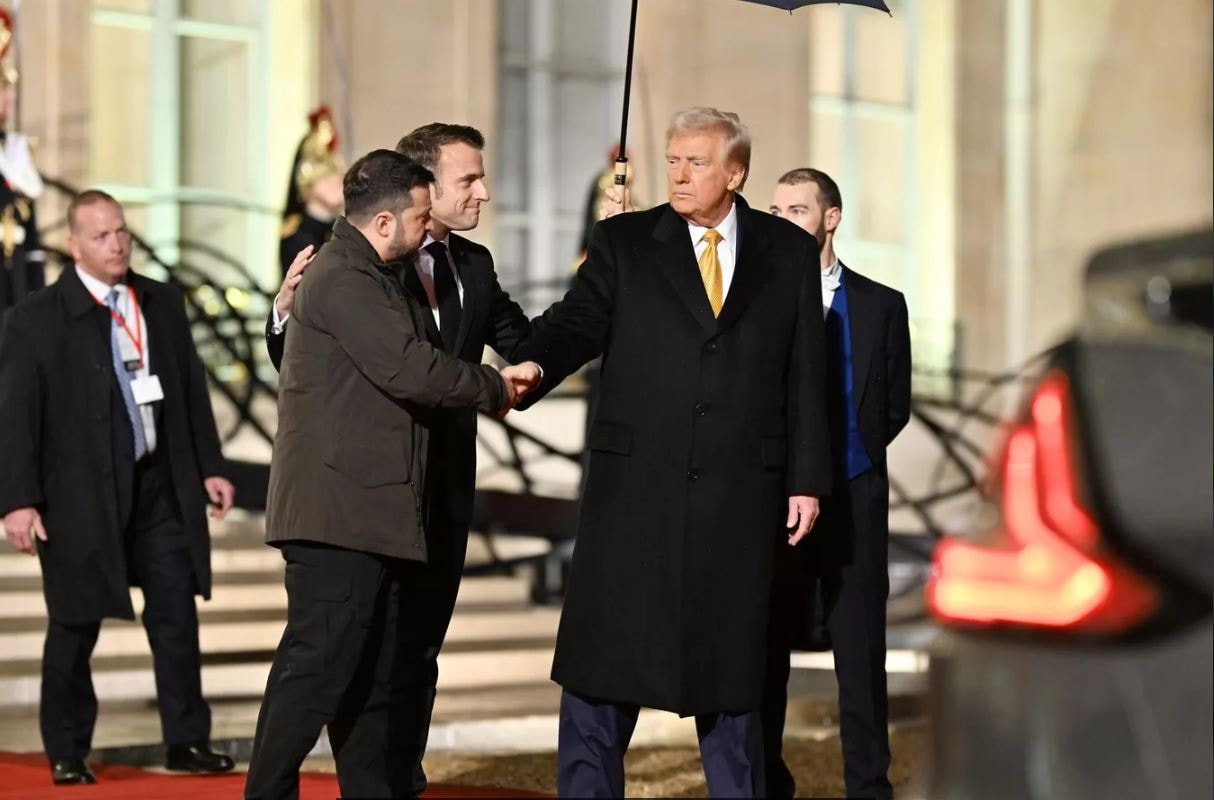
French scholars have predicted the risks and uncertainties facing the world during Donald Trump's second term as follows: “The greatest risk of our time is the return of a self-centered and arrogant America, under the leadership of a man who has no regard for the diversity of the world. Instead of achieving a new global order through agreements and consensus, the world may experience intense tensions and confrontations before a new order is formed.”
PV: Thank you, Major General!
.png)