
The Iran nuclear deal has fueled tensions between Israel and the West.
(Baonghean.vn) - While Western countries are unanimously praising this historic nuclear agreement, some nations have voiced strong opposition, most notably Israel. Immediately yesterday, German Foreign Minister Frank-Walter Steinmeier criticized Israel's attitude. Therefore, it can be said that the Iran nuclear agreement risks igniting conflict between Israel and the West.
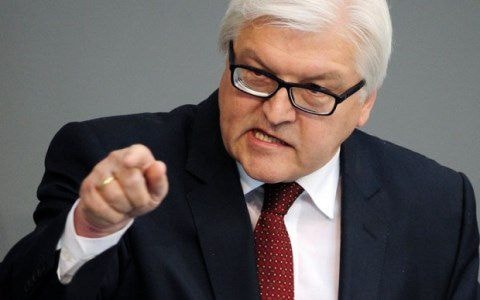 |
| German Foreign Minister Steinmeier (Photo: Reuters) |
Immediately after the Iran nuclear deal was announced, Israeli Prime Minister Benjamin Netanyahu fiercely criticized the agreement, declaring it a "historic mistake" and emphasizing his continued readiness to intervene militarily to prevent Tehran from acquiring nuclear weapons. Netanyahu warned that with the lifting of sanctions, Iran "will receive hundreds of billions of dollars and use this money to run its terrorist machine." Meanwhile, with even harsher language and indignation, Israeli Defense Minister Moshe Yaalon stated that the major powers had "surrendered" to Iran, claiming that "Tehran entered the negotiations from a position of weakness, but ultimately won." Shortly afterward, German Foreign Minister Frank-Walter Steinmeier criticized Israel's opposition to the nuclear agreement reached between Iran and the P5+1 group. In response to Israel's statements, Steinmeier argued that this historic nuclear deal would contribute to security in the Middle East.
It is clear that the nuclear agreement recently reached between Iran and the P5+1 group, which includes the five permanent members of the UN Security Council and Germany, risks straining relations between Israel and these powers due to differing viewpoints. Israel has consistently opposed any "compromise" between the powers and Iran regarding the nuclear issue. Instead, Israel has often adopted a hardline stance, even advocating the use of military force to "destroy" Iran's nuclear facilities.
The first relationship affected that the international community noticed was the "rift" between the two allies, the US and Israel, following this agreement. In fact, despite affirming the strength of their strategic alliance, international opinion has witnessed numerous disagreements between the administration of US President Barack Obama and the administration of Israeli Prime Minister Benjamin Netanyahu. Most recently, during a visit at the invitation of the US Congress in early March, Israeli Prime Minister Netanyahu faced considerable criticism from the White House. US President Barack Obama also announced he would not meet with Netanyahu during this visit. The differences in viewpoints between the two executive branches of the US and Israel are evident. These disagreements concern the Iranian nuclear issue, the Middle East peace process between Israel and Palestine, and the issue of US arms sales to Gulf Arab states.
The Obama administration's open intention to reach a nuclear agreement with Iran has repeatedly angered Israel. Therefore, this historic agreement will likely continue to see disagreements between Washington and Tel Aviv. It is highly probable that Israel will not recognize the recent Iran nuclear deal, and the Jewish state will continue to pursue its own policy on the issue. Meanwhile, in his speech immediately after the Iran nuclear deal was approved, President Obama indicated that the US administration would strongly defend the agreement. Although, immediately after the agreement, the US President telephoned Netanyahu and stated that the deal did not alleviate US concerns about Iran's support for Islamist militant groups and the threat Iran poses to Israel, it is clear that neither Obama's conciliatory message nor Iranian President Hassan Rouhani's earlier assurances that Iran would never seek nuclear weapons will reassure the Israeli leader. Therefore, it can be seen that Israel's recent tough statements are just the beginning of disagreements between the two close allies, the US and Israel, regarding the Iranian nuclear issue. Analysts believe this relationship could be further affected by the warming of US-Iran relations.
For Europe, Israel has significantly eroded the continent's goodwill regarding peace negotiations with the Palestinians. Therefore, it's not surprising that German Foreign Minister Frank-Walter Steinmeier almost immediately responded to Israel's criticism of the historic nuclear agreement recently reached between the world powers and Iran. Last year, both the British and French parliaments voted to recognize the State of Palestine, despite Israeli anger. This demonstrates the relatively cool relationship between the Jewish state and European powers. The EU has repeatedly clashed deeply with Israel regarding the Middle East peace process. Therefore, the already strained relationship between Israel and Europe is likely to be further exacerbated by this Iran nuclear deal. The joy of the foreign ministers of the UK, France, and Germany, along with the European Union's High Representative for Foreign and Security Policy, Federica Mogherini, after reaching a nuclear agreement with Iran, showed how much the continent supported this deal. Therefore, if Israel maintains its hardline stance, it could easily lead to increased conflict with Europe.
As for Russia and China, although Israel's relations with these two powers are not particularly tense, Israel's close ally of the US means there isn't much warmth in its relationship with Russia and China. In fact, Russia and China often support the normalization of relations between Iran and Western countries. Therefore, disagreements between Iran and these two powers stemmed from the very beginning of negotiations regarding Iran's nuclear program. Consequently, after this agreement, there are unlikely to be many changes that could further strain relations between Israel and Russia and China. There's no reason why Russia and China wouldn't welcome the nuclear agreement reached between Iran and the P5+1 group, while Israel will continue its firm stance against Iran. Therefore, this is another significant point of contention between Israel and Russia and China that cannot be ignored.
Thus, the issues arising after Iran and the P5+1 powers reached a historic nuclear agreement will continue to attract international attention. Only Israel and a few Gulf states opposed it, while the majority of countries worldwide welcomed the agreement. Of course, there is still a long and difficult road ahead from reaching the agreement to the parties implementing "reconciliation" measures. The parties will have much work to do to ensure the serious implementation of the agreement, thereby building trust between them. Therefore, Israel's strong opposition to the Iran nuclear agreement not only affects its relationship with world powers but also risks international isolation. Perhaps Israel should work with the US and other powers to monitor Iran's implementation of the agreement instead of creating unnecessary diplomatic disputes with world powers, even with its own allies.
Nguyen Cao Bien
| RELATED NEWS |
|---|


