
Three Zika virus vaccine candidates successfully tested.
This breakthrough raises hopes that an effective and safe vaccine for humans will be successfully produced.
Since the discovery of the Zika virus in Brazil in late 2015, it has been spreading rapidly and poses a global threat. Meanwhile, experts are continuously working to find vaccines and solutions to prevent this epidemic.
And scientists appear to have made significant progress in producing an effective vaccine against the Zika virus.
 |
More importantly, trials with not one, but three types of vaccines have shown promising results in protecting monkeys from this dangerous virus. Now, experts are confident in testing the vaccine on humans.
Tests conducted on 20 monkeys confirmed that all experimental vaccines provided complete protection against Zika virus infection just one month after vaccination.
However, how long these vaccines can protect them still requires further testing.
 |
Dan Barouch of Harvard University (USA), who led the research team, shared: "These three vaccines provide a complete layer of protection against the Zika virus in primates. This breakthrough raises hopes that an effective and safe vaccine for humans will be successfully produced."
The vaccines currently being tested are a collaboration between the Walter Reed Army Institute of Research, Beth Israel Deaconess Medical Center, and Harvard Medical School.
An immunologist from Imperial College London said that the results of the experiment on monkeys were "positive steps," but it will take more time to determine whether it will be effective in humans.
 |
Ed Wright, a virologist at Westminster University who was not involved in the study, told the BBC: "All the vaccines currently under development will likely not be licensed and widely available to the general public for many more years." Therefore, until a vaccine is available, we should always protect ourselves.
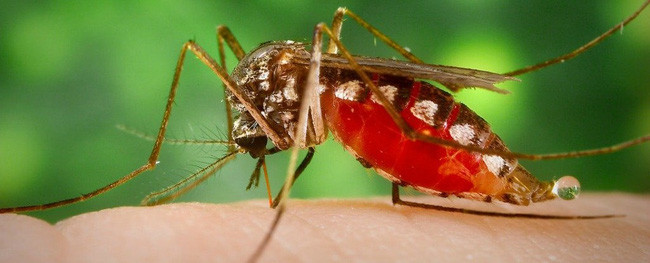
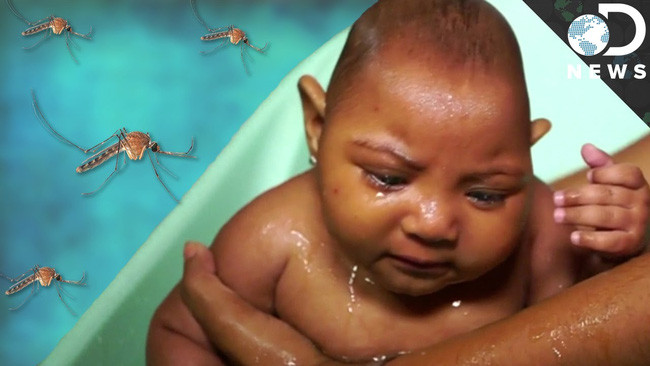
Zika is a mosquito-borne virus that is spreading throughout South and Central America. One of the most dangerous symptoms of the Zika virus is when it appears in the body of a pregnant mother – it affects the fetus and the child is born with microcephaly.
This developmental disorder reduces the size of the child's skull, resulting in lower brain intelligence and a shorter lifespan. This condition is incurable, and the child will be affected by this defect for life.
Researchers hope to have a clinical trial of the vaccine launched by the end of this year.
According to Young Knowledge


