
The culprit behind myocardial infarction.
Coronary artery disease is common among cardiovascular diseases that lead to myocardial infarction, due to age, gender, genetics, and especially lifestyle.
According to keckmedicine, coronary artery disease (CHD) is the narrowing of the small blood vessels that supply blood and oxygen to the heart. Intermittent angina, a burning or stinging sensation in the chest, and a feeling of tightness or constriction in the chest leading to difficulty breathing are symptoms of coronary artery disease. If left untreated, the disease can be fatal at any time.
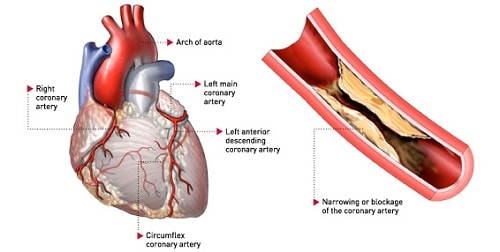 |
| Coronary artery disease can lead to extremely dangerous heart attacks. |
Unmodifiable risk factors
Age: The risk of coronary heart disease increases with age.
Gender: Men have a higher risk of coronary artery disease than women of reproductive age. After menopause, women's risk of coronary artery disease also increases.
Genetics or race: If your parents have cardiovascular disease, you are at a higher risk than others. African Americans, Native Americans, Native Americans, Hawaiians, and some Asian Americans have a significantly higher risk of heart disease.
Risk factors are modifiable.
No smoking: If you smoke, quit smoking.
Cholesterol control: This can be achieved through diet, exercise, and medication.
Controlling blood pressure: You should monitor your blood pressure, especially if it's high. Pay attention to diet, exercise, and medication, if needed.
Controlling diabetes: Just like with high blood pressure, if you have diabetes, pay special attention to your diet, exercise, and medication.
Exercise for at least 30 minutes every day: Maintain your weight by eating healthy foods, eating less, and joining a weight loss program if you need to lose weight.
Stress management: You should consider joining an exercise class, a recreational club, or perhaps meditation or yoga.
Limit alcohol consumption: Do not drink more than the prescribed amount.
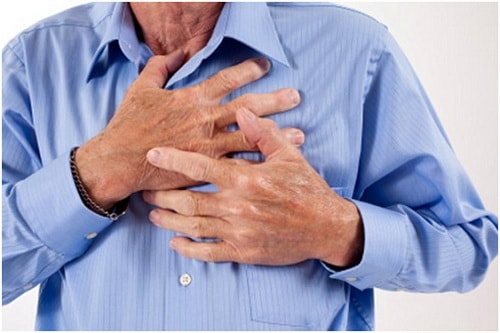 |
| Intermittent chest pain, a burning or stinging sensation, or a feeling of tightness or constriction in the chest that makes breathing difficult... are symptoms of coronary artery disease. |
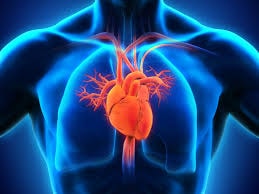 |
| Intermittent chest pain, a burning or stinging sensation, or a feeling of tightness or constriction in the chest that makes breathing difficult... are symptoms of coronary artery disease. |
Good nutrition is important for your cardiovascular health and helps you control several risk factors.
- A diet rich in fruits, vegetables, and whole grains.
- Choose lean proteins, such as chicken, fish, and beans...
- Drink low-fat milk such as 1% milk and other low-fat foods.
- Avoid sodium (salt) and fat in fried, processed, and baked foods.
- Eat fewer animal products containing cheese, cream, or eggs.
- Read labels and avoid "saturated fat" and anything containing partially "hydrogenated" or "hydrogenated" fats. These foods are often associated with unhealthy fats.
According to VNE
| RELATED NEWS |
|---|


