
Delicacies from kitchens ablaze with fire.
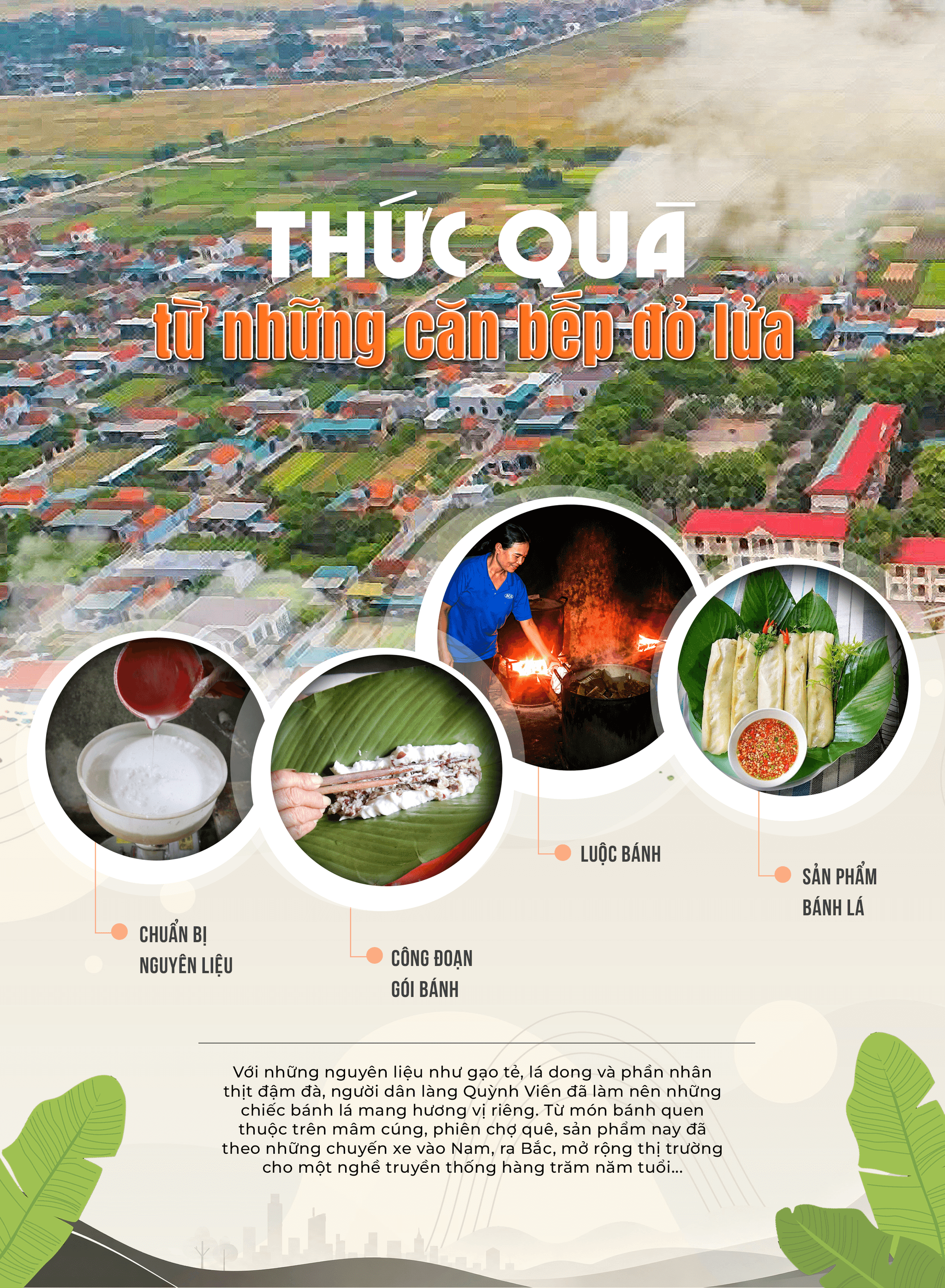
With ingredients like rice, banana leaves, and a rich meat filling, the people of Quynh Vien village have created leaf-wrapped cakes with a unique flavor. From a familiar treat on offering trays and at local markets, this product is now transported to the South and North, expanding the market for a centuries-old traditional craft...
Thanh Phuc| Design:Huu QuanSeptember 24, 2024

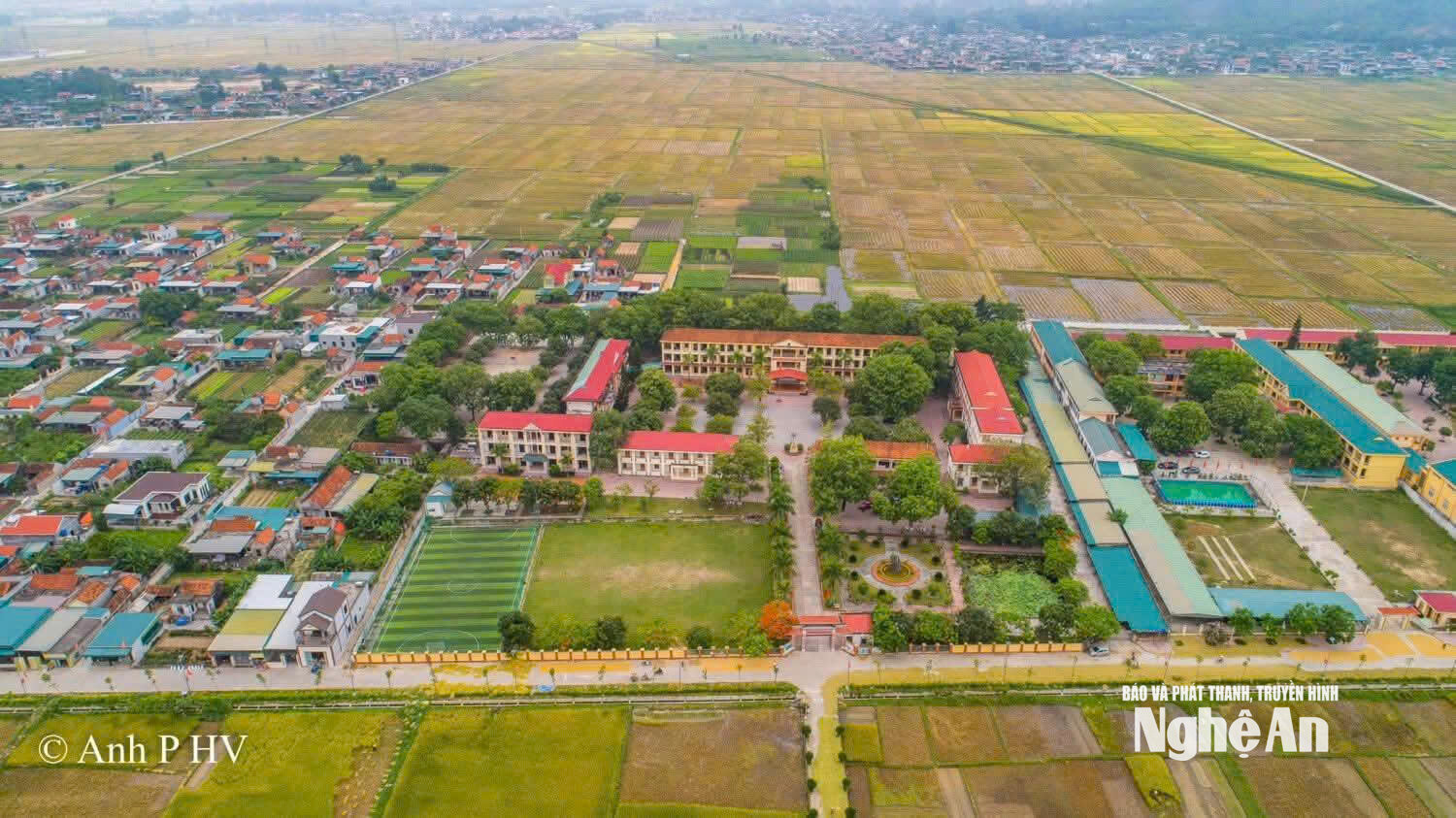
Some villages are remembered for a river, a communal house, or a local market. But for Quynh Vien village in Quynh Van commune, what keeps generations of those far from home captivated is the fragrant aroma of the leaf-wrapped rice cakes that waft through the air every morning. The simple fragrance of fresh rice, banana leaves, and filling has become a part of the memories and way of life of the people here, so that whenever Quynh Vien is mentioned, people think of the leaf-wrapped rice cakes with their authentic, rustic flavor.
Born and raised in Quynh Vien village, and still connected to his hometown as a local official, Nguyen Ba Trinh knows the story of the traditional leaf-wrapped rice cake making by heart. His family didn't make the cakes, but throughout his childhood, he grew up immersed in the rhythm of a traditional craft village, where around two or three in the morning, the flames from the kitchens blazed throughout the neighborhood. The sounds of grinding flour, stirring dough, and people calling out to each other as they prepared goods for the market became familiar sounds of the countryside before dawn.
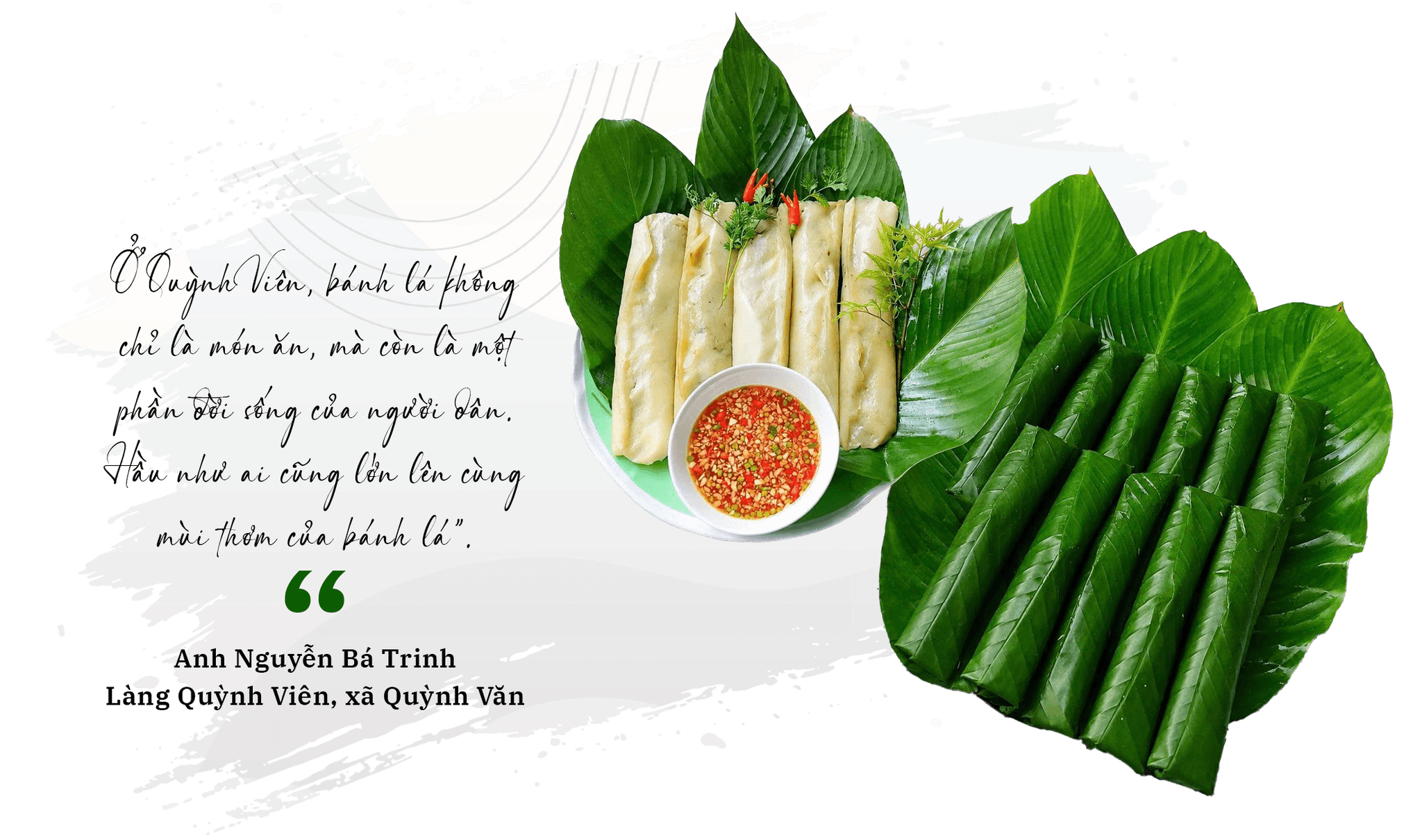
According to Mr. Trinh, the craft of making leaf-wrapped cakes in Quynh Vien has existed for hundreds of years. Initially, the cakes were made to offer to the village's tutelary deity during festivals, then gradually became an indispensable dish on the altars for the full moon, the first day of the lunar month, holidays, and ancestral commemorations. Over time, the cake moved beyond the religious realm to become present in daily life. People buy a few cakes for breakfast at the market, those traveling far bring them as gifts, and visitors from afar come to Quynh Vien to enjoy this cake with its rich rural flavor. Although its role has changed over the years, the cake remains a thread connecting people to their homeland and preserving customs that have endured through many generations.
.jpg)
What makes Quynh Vien's rice cake unique begins with its simplest ingredients. The rice is soaked just right to produce a smooth, white flour; the glutinous rice leaves are carefully selected to retain their characteristic green color and aroma; the filling consists only of pork belly, wood ear mushrooms, onions, scallions, and pepper... All are familiar products of the countryside, but through the skillful hands of the locals, they create a flavor that is hard to replicate. Peeling back the warm rice leaf, the aroma of the rice blends with the richness of the filling, evoking a rustic yet warm feeling, just like the people of this land.
Perhaps because it was born from the most familiar elements of the countryside, Quynh Vien leaf-wrapped cake has never been just a food item. Each fold of the leaf holds memories of festivals, ancestral worship ceremonies, village markets, and the rhythm of life in a centuries-old craft village. It is this cultural value that has helped the cake transcend the boundaries of a simple folk treat to become a symbol of homeland in the hearts of many people from Quynh Vien village...

Behind the centuries-old tradition of Quỳnh Viên's traditional rice cake making are the women who quietly preserve the craft with their diligent hands. They not only create products to meet daily needs but also contribute to preserving a cultural aspect of the village.
Two o'clock in the morning. In the small kitchen of Ms. Nguyen Thi Xuan's family, work had already begun. While the village road was still deserted, she checked the pot of dough, prepared the filling, wiped each banana leaf clean, and swiftly wrapped each cake.
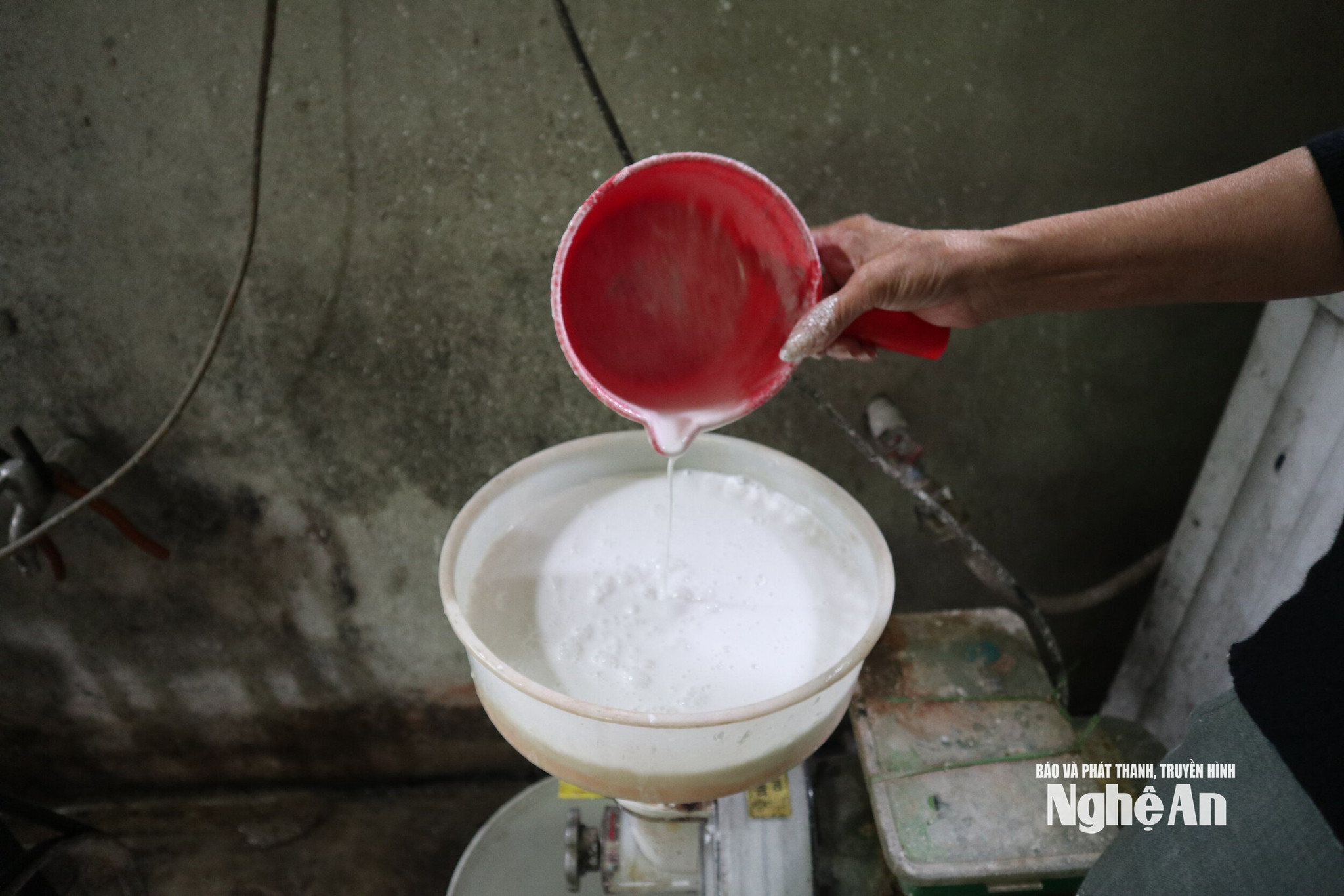
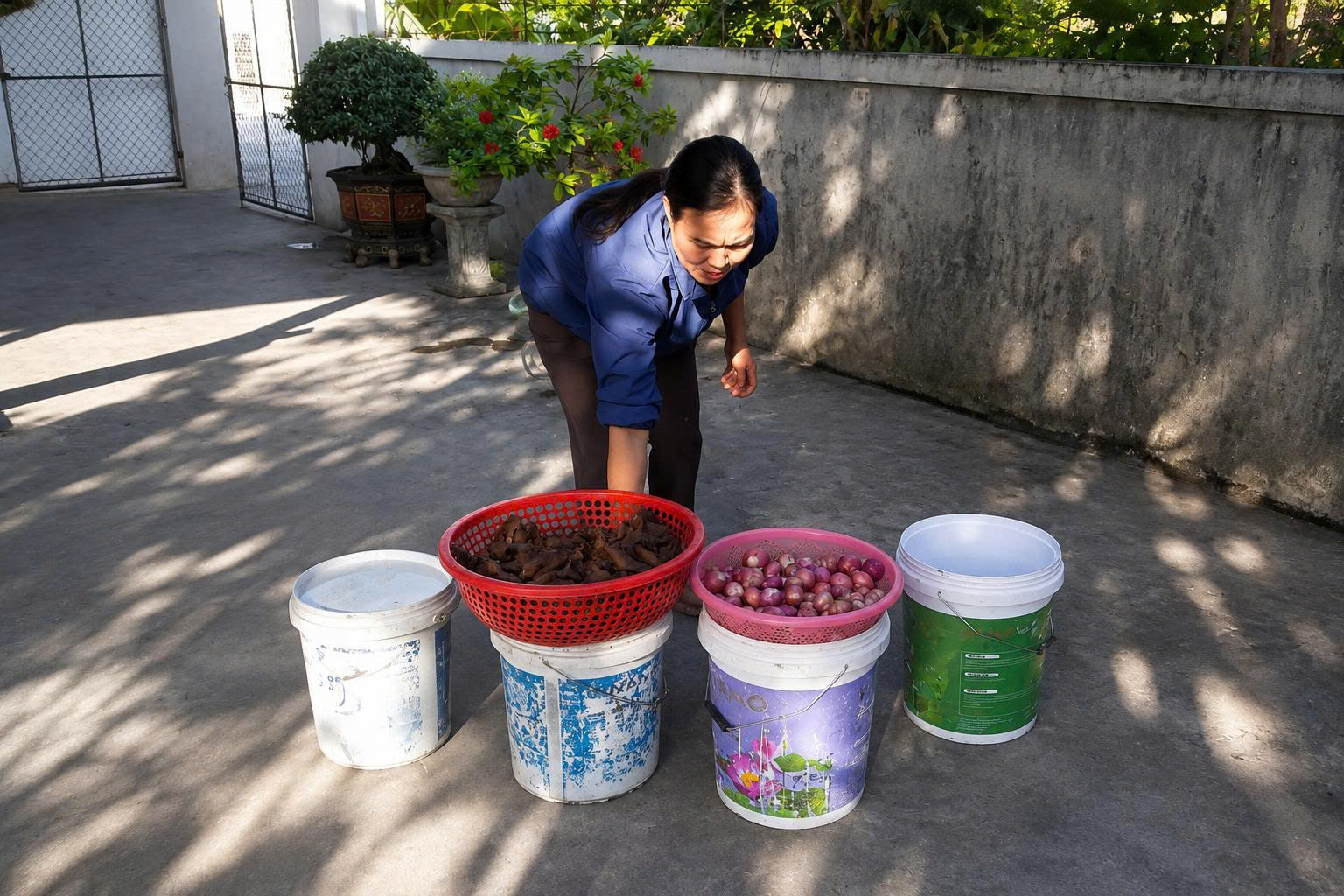
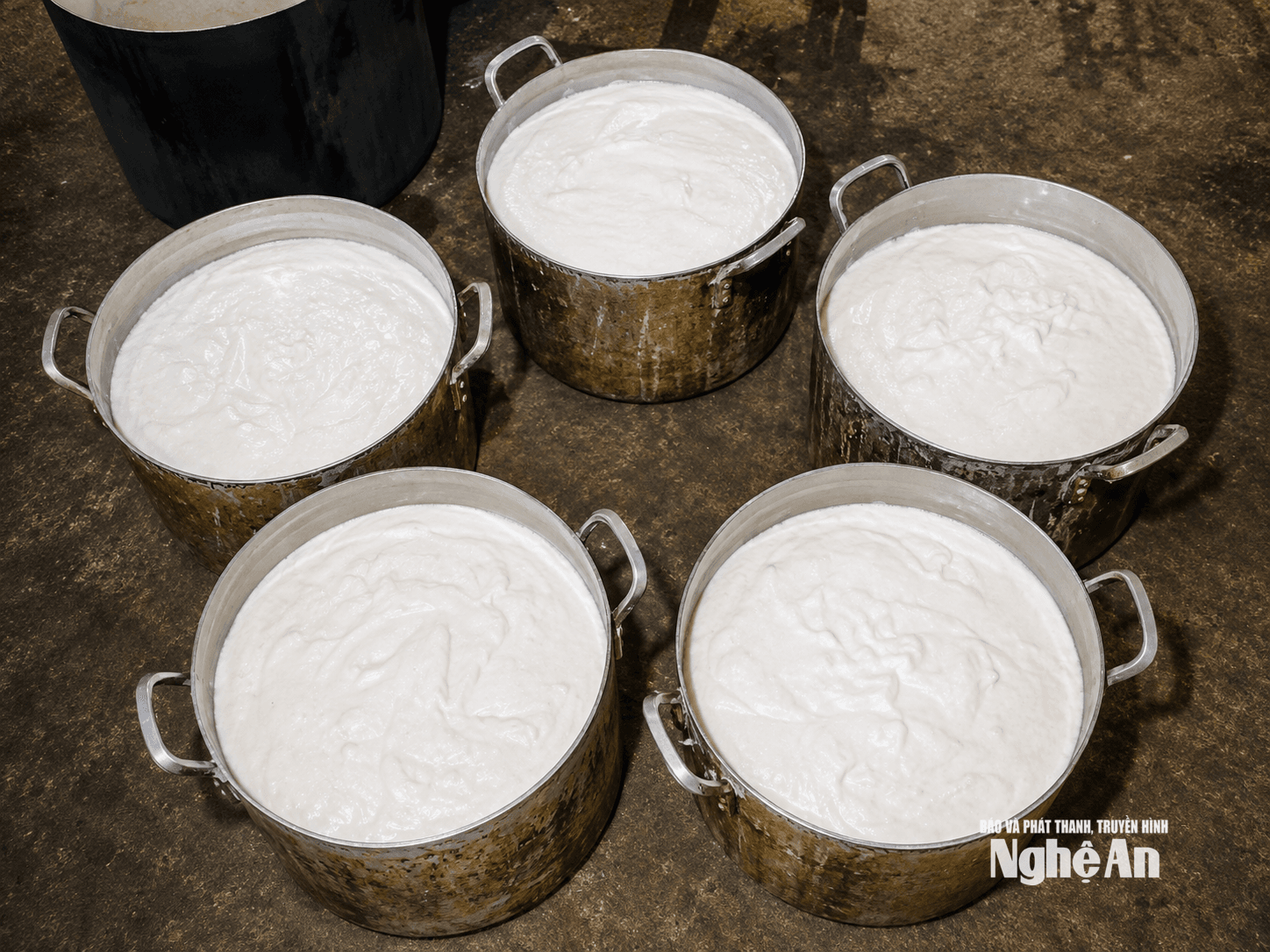
Making rice cakes on banana leaves doesn't allow for rushing. From the afternoon before, the banana leaves are selected, washed, and drained. The rice is thoroughly washed, soaked for the required time, and then ground into flour. In the past, the people of Quynh Vien mainly ground the flour using stone mortars. Each batch of flour was a laborious process. Nowadays, machines have replaced that hard work, but the experience of the baker is still the deciding factor in the quality of the cake. "From the outside, people only see me stirring the flour, but those in the trade know that this is the step that determines whether the cake is delicious or not. If the flour is too soft, the cake will be tough; if it's overcooked, it will lose its softness and elasticity. You have to look at the color of the flour, feel its consistency, and its elasticity to know when it's ready," Ms. Xuan shared.
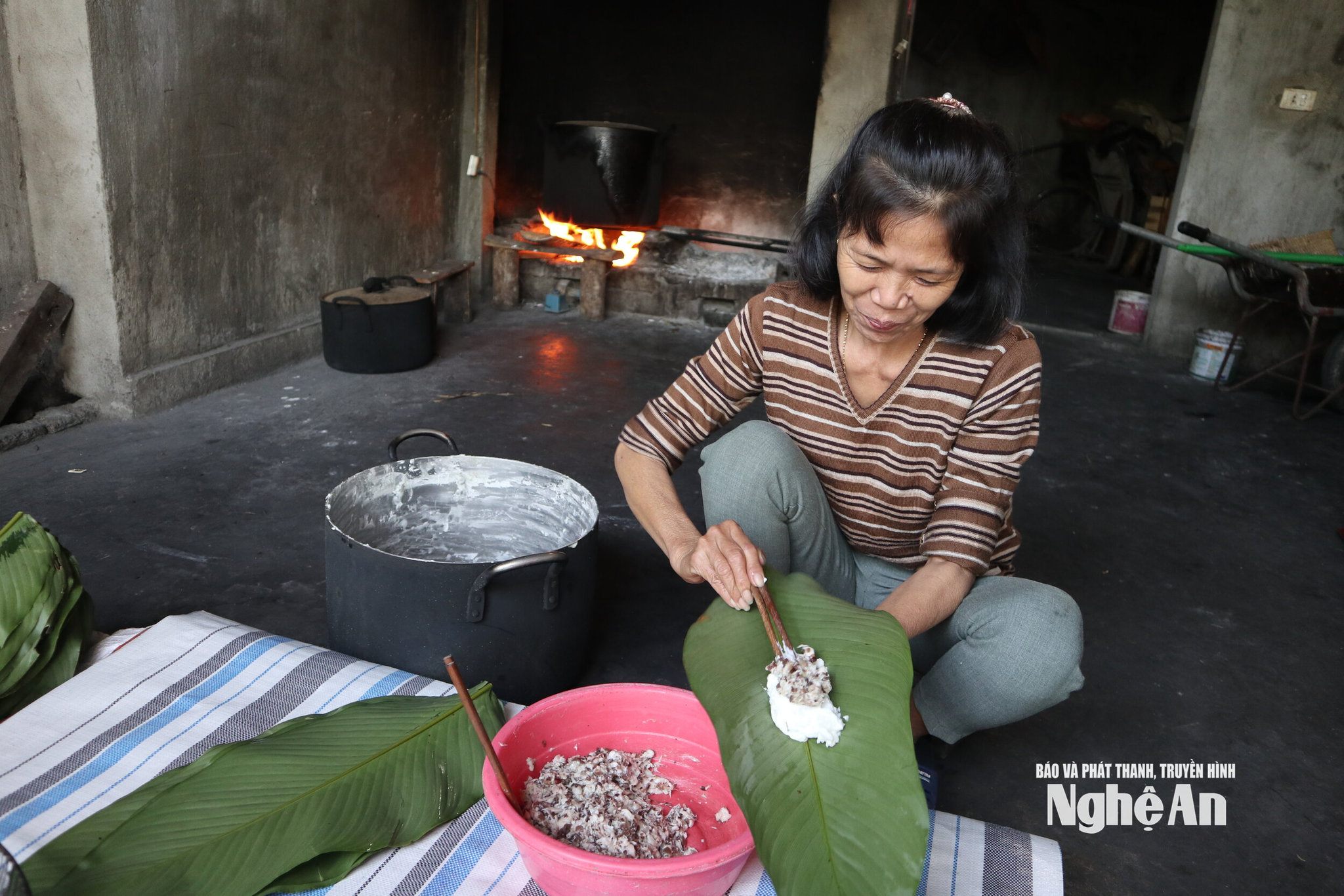
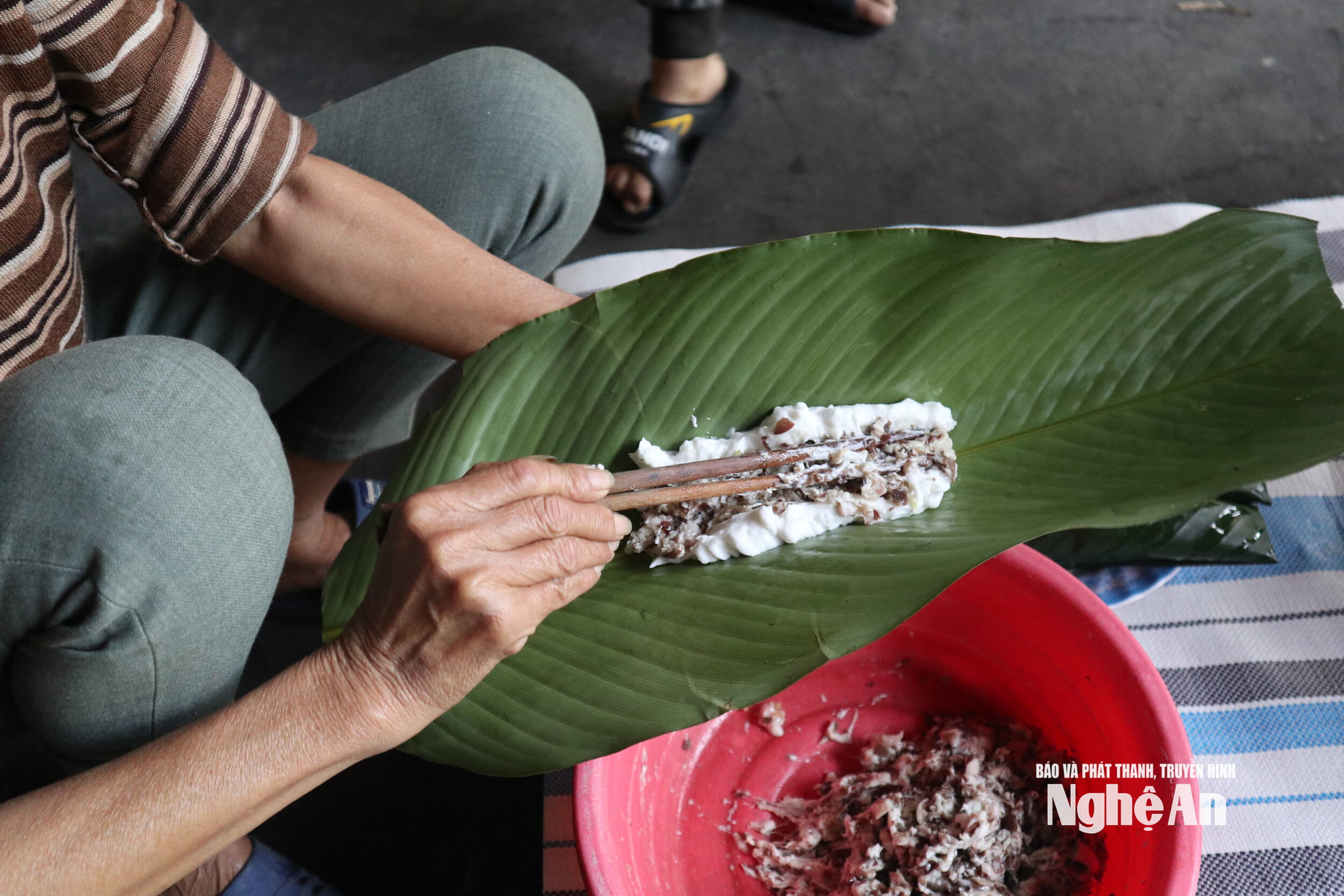
While talking, her hands continuously stirred the batter in the pot over the fire. Using chopsticks, she stirred constantly to ensure the batter cooked through, preventing lumps and sticking to the bottom of the pot. When the batter turned milky white, smooth and sticky but still pliable, she quickly removed it from the heat, waited for it to cool, and then began wrapping the cakes. The wrapping process, seemingly simple, requires skill. The banana leaves are spread out, the batter is evenly distributed, the filling is placed in just the right amount, and then the leaf is folded. Experienced bakers can tell at a glance and by touch whether a cake is ready. According to those in the trade, a delicious cake must have a balance between the batter and the filling. Too much batter makes the cake greasy, too little batter makes it too thin and not firm enough. This "just right" isn't found in a specific recipe but lies in the experience accumulated over many years.
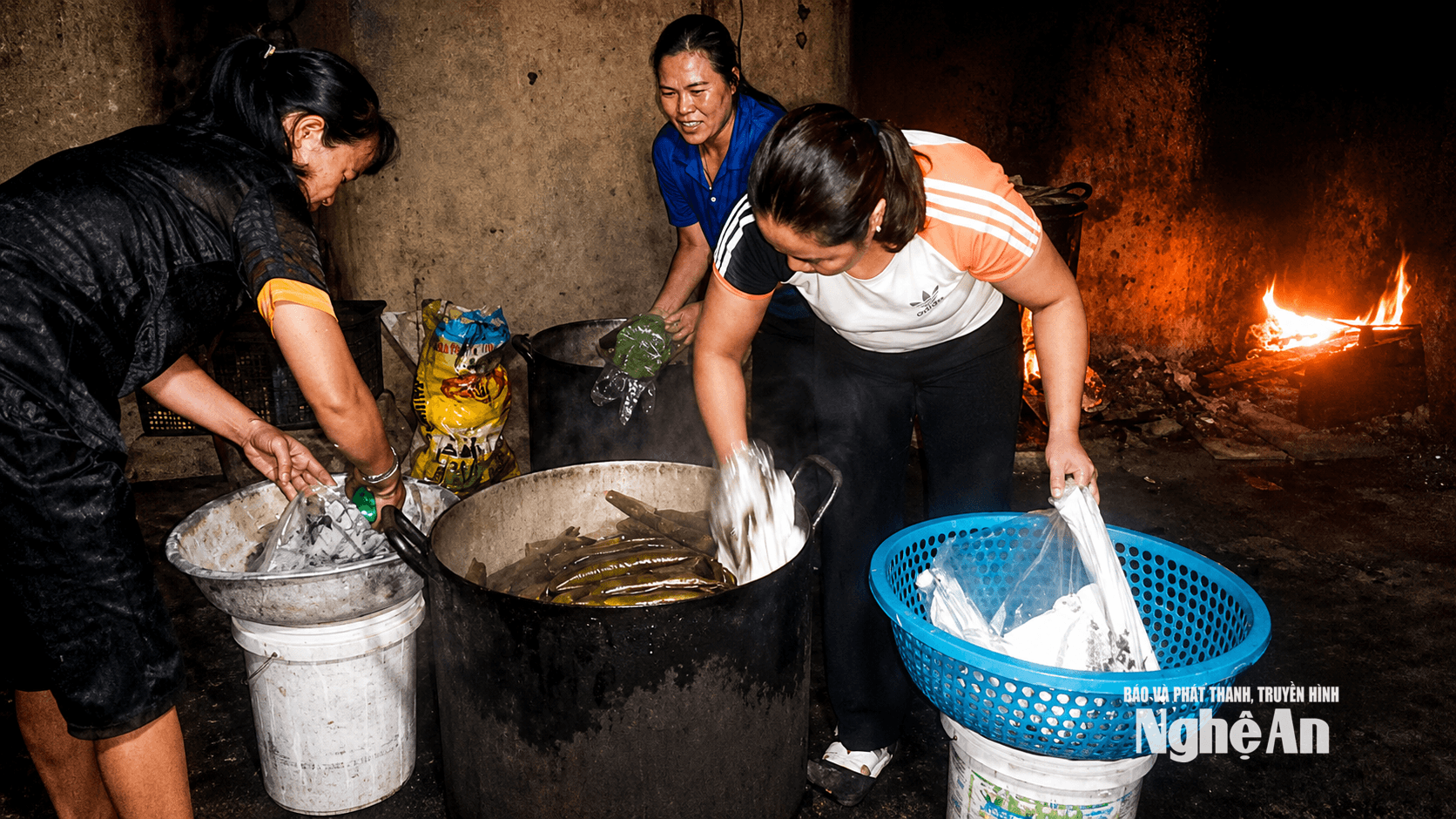
Not far away, the bánh lá (leaf-wrapped rice cakes) making facilities of Ms. Nguyen Thi Giang and Ms. Dao Thi Tam also light up from midnight. On normal days, their families make about 1,000 cakes. During wedding seasons, holidays, or occasions with large feasts, production can double or triple. In the kitchen, everyone has a task. Some prepare the ingredients, others mix the dough, some wrap the cakes, and others arrange them in the steamer. The work follows one another in the harmonious coordination of family members and acquaintances. For the people of Quynh Vien, the cake-making profession not only provides income but also strengthens community bonds. After each batch of cakes, the combined efforts of many hands create a familiar image of the villagers still living by the principle of "helping each other in times of need."

Previously, Quỳnh Viên leaf-wrapped cakes were mainly found in rural markets, family offerings, or given as gifts. Now, however, this traditional craft has taken a new path. Being recognized as a traditional village craft in 2023 has created more favorable conditions for the preservation, development, and gradual access to a wider market. More than just a traditional village food, the cake has become a marketable product with more systematic investment, meeting the demands of modern consumers.
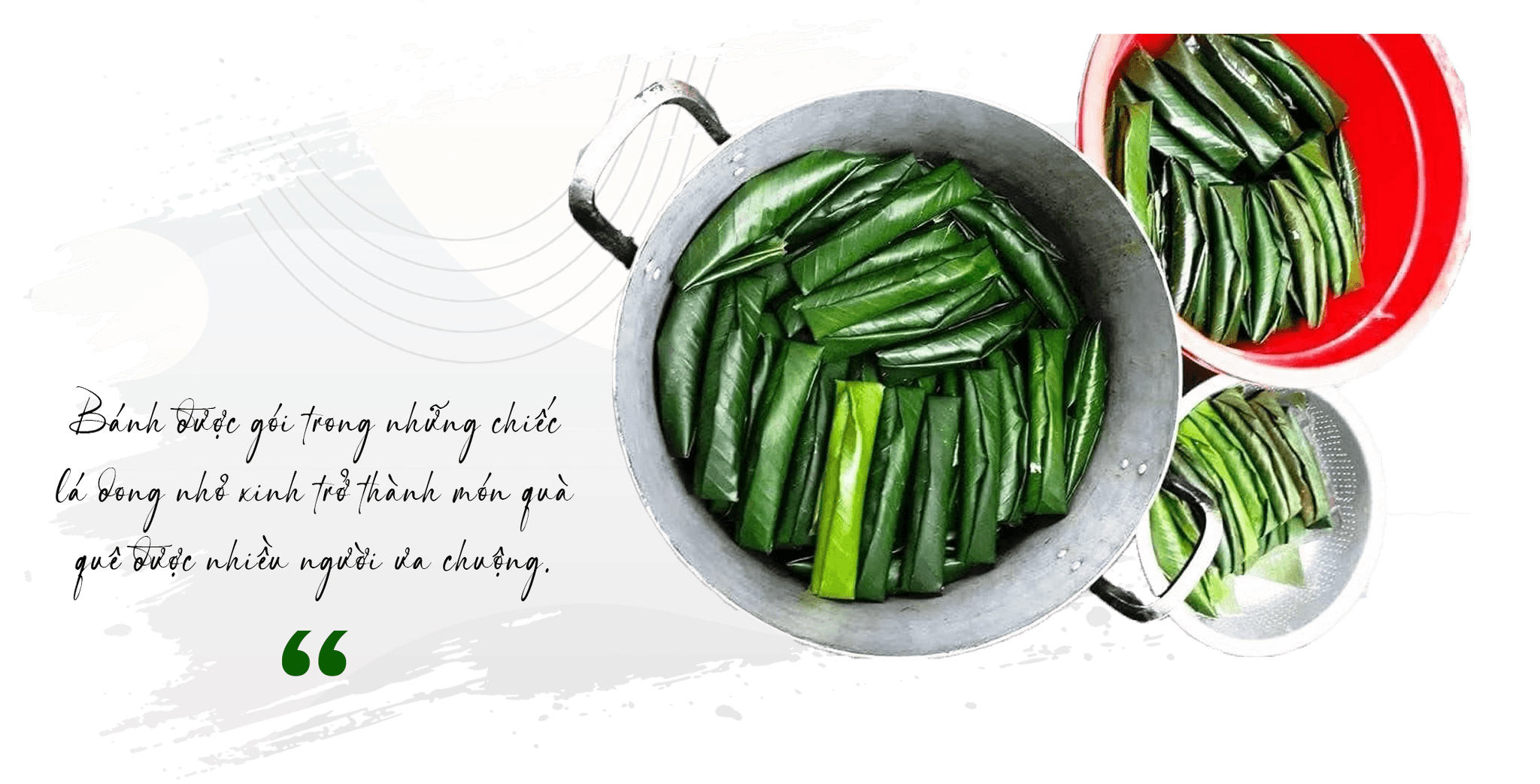
The most noticeable change is in preservation and consumption. Previously, the cakes were mainly sold on the same day due to their short shelf life. Now, many establishments have invested in vacuum sealing machines, applied freezing methods, and carefully packaged the products to extend their shelf life. After steaming, the cakes are cooled, preserved according to appropriate procedures, and then delivered to customers in Ho Chi Minh City, Binh Duong, Dong Nai, Hanoi, and many other provinces and cities. For those far from home, enjoying the traditional leaf-wrapped cakes of their hometown no longer depends on trips back. Simply reheating them for about 20 minutes allows the cakes to retain their soft texture, fragrant aroma, and rich flavor as if they were freshly made.
From the kitchens of the village, Quỳnh Viên leaf-wrapped cakes are now available in many other regions. More than 40 households still maintain production, making millions of cakes every year, creating jobs and income for hundreds of workers. These figures demonstrate the vitality of a seemingly simple product that has become the livelihood of many families.
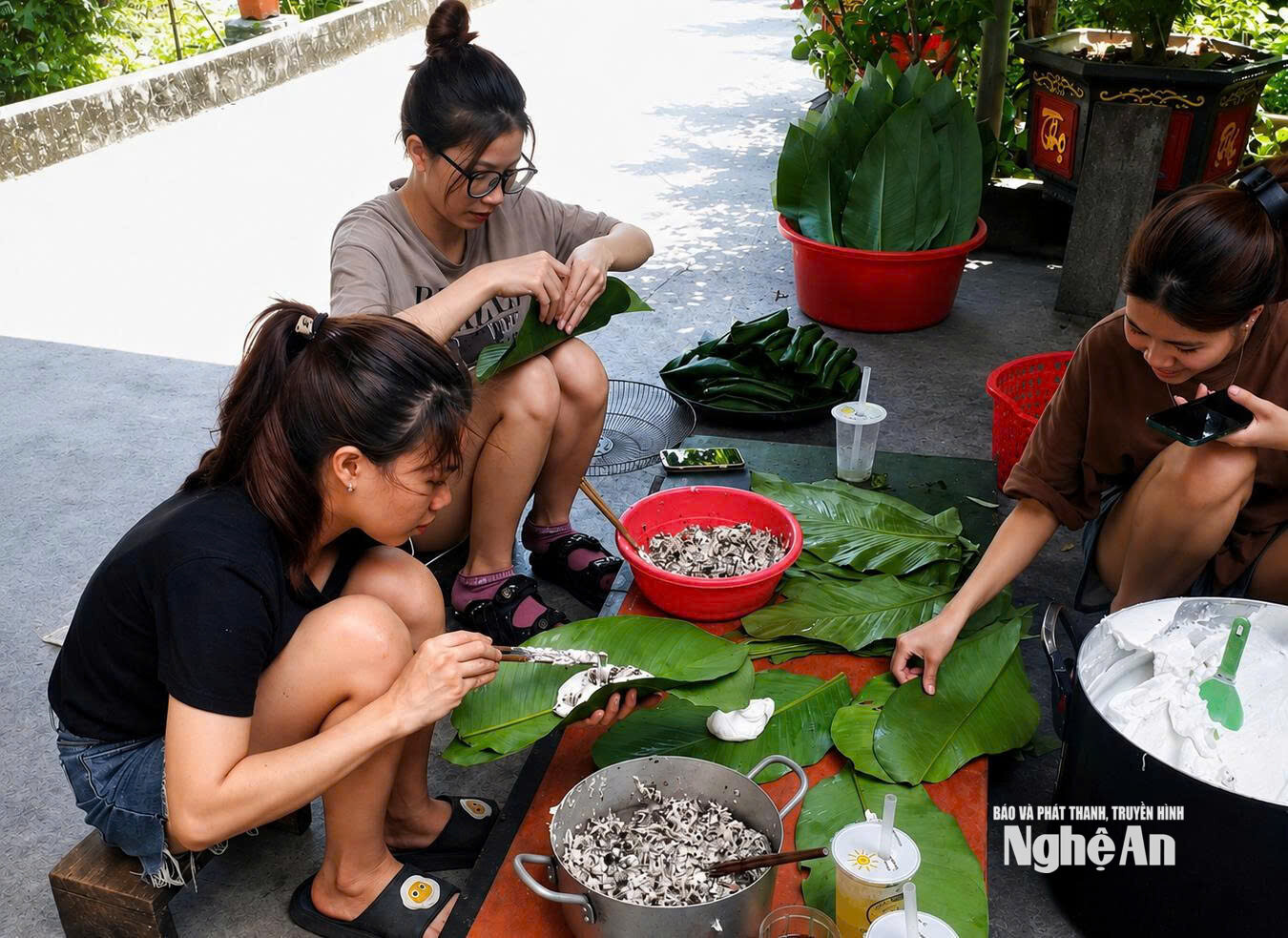
The road ahead for Quynh Vien's leaf-wrapped cakes is still long, from standardizing the product and improving quality to expanding the market. But along the way, the bakers still retain what makes the product unique: experience passed down through generations, skillful hands, and wood-fired stoves burning from dawn. And so, each cake leaving Quynh Vien not only carries a local gift but also the story of a craft that the people here are persistently preserving and striving to take further.


