
Ban Ve hydroelectric plant releases water to help combat drought for the spring rice crop.
(Baonghean.vn) - Starting today (April 22), the Ban Ve Hydropower Reservoir will operate to ensure an average total discharge of no less than 200 m3/s, to raise the water level of the Lam River, ensuring that pumping stations can pump water into the fields, serving drought relief and the 2023 Spring crop production.
Currently, the 2023 spring rice crop is entering the flowering stage, one of the periods with high water demand. However, a field inspection on April 20th revealed that the water level in the Lam River was low, rendering pumping stations inoperable. As a result, over 1,000 hectares of rice fields in Thanh Chuong and Do Luong districts are experiencing water shortages. If the water shortage continues in the coming days, there is a high risk of reduced rice yield and production.
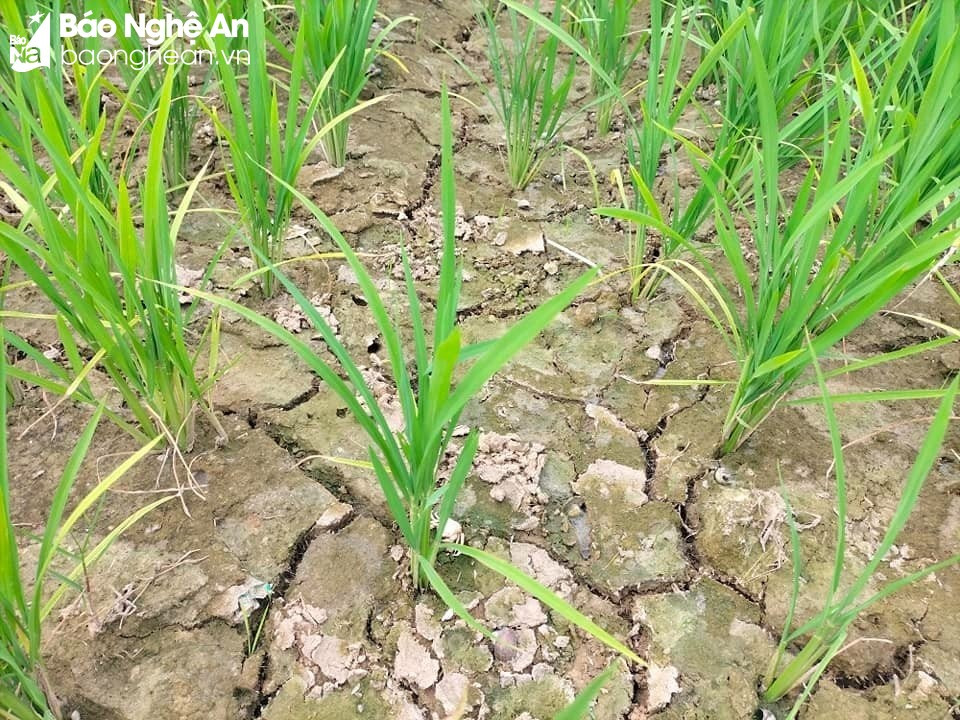 |
| The water level of the Lam River has dropped, rendering pumping stations inoperable. As a result, over 1,000 hectares of rice fields in Thanh Chuong and Do Luong districts are experiencing water shortages. (Photo: PV) |
In light of this situation, following the Department of Agriculture and Rural Development's document No. 1385/SNN-TL dated April 21, 2023, regarding the operation and water regulation of the Ban Ve, Khe Bo, and Chi Khe hydropower reservoirs, the Provincial People's Committee issued document No. 3060/UBND-NN to relevant units, agreeing on the water regulation operation plan for the Ban Ve, Khe Bo, and Chi Khe hydropower reservoirs as proposed by the Department of Agriculture and Rural Development.
Accordingly, from April 22nd to April 26th, 2023, the Ban Ve hydroelectric reservoir will increase its daily discharge rate by 65m³.3/s up to 200m3/S.
From April 27th to April 30th, 2023, the Ban Ve, Khe Bo, and Chi Khe hydropower reservoirs will operate to regulate water levels, and other matters remain unchanged as per Official Letter No. 2641/UBND-NN dated April 11th, 2023, from the People's Committee of Nghe An province.
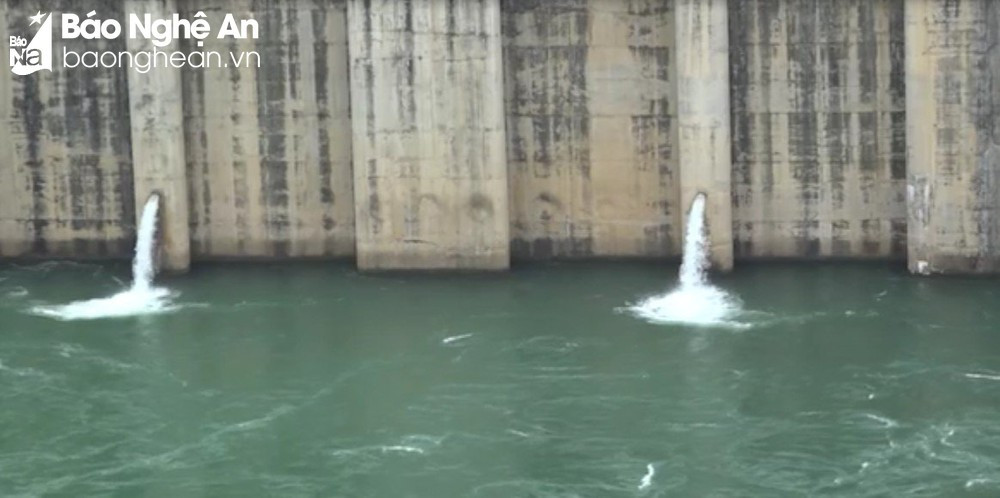 |
| From April 22nd, Ban Ve Reservoir will operate to ensure that the total average discharge flow is not less than 200 m³.3/s. Photo: PV |
Previously, from February 2nd to 6th, the company adjusted the operating regime of the Ban Ve hydroelectric reservoir, increasing the discharge level from 80 m³.3/s up to 150 m3From March 17-23, the Ban Ve Hydropower Reservoir also adjusted its water discharge level downstream, increasing it by 50 m.3/s up to 160 m3/s, to raise the water level of the Lam River, ensuring that pumping stations can pump water into the fields, providing timely water supply to downstream areas, serving drought relief and the Spring 2023 crop production.
Therefore, according to the water regulation plan outlined above, by the end of April 26th, the water level in the Ban Ve hydropower reservoir will only be around 170m, approximately 13m lower than the minimum water level. This means the company is facing significant difficulties in operating downstream water supply and power generation in the coming period.
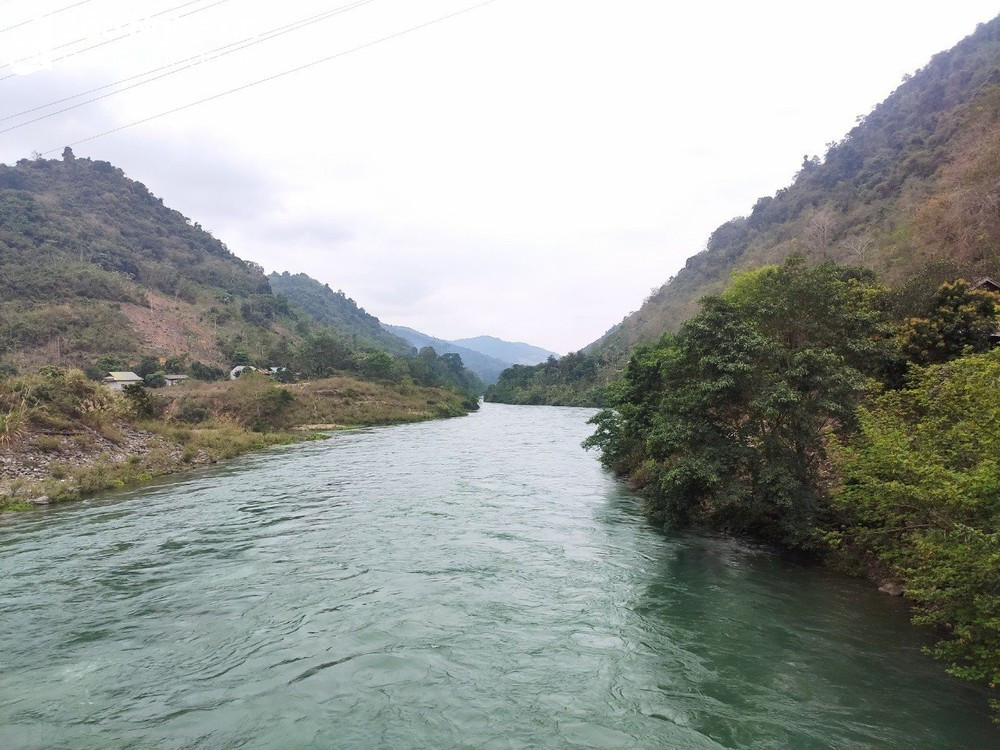 |
| The water level of the Lam River has been raised thanks to the adjustment of increased water discharge from the reservoir. Photo: PV |
According to Mr. Hoang Van Ngoc, Deputy Director of Ban Ve Hydropower Company: According to the forecast of the North Central Meteorological and Hydrological Station, with extreme weather conditions and no rain in the coming period, the water level of the Lam River tends to decrease. Meanwhile, the water level in the reservoir is very low, with the inflow into the reservoir at approximately 25 to 30 meters.3The water level is projected to decrease in the near future, causing difficulties in providing irrigation water to downstream areas and generating electricity during this year's dry season. However, with the goal of ensuring water supply for pumping stations along the Lam River (especially those in Do Luong and Thanh Chuong districts), Ban Ve Hydropower Company will actively coordinate with local authorities to promptly operate and regulate reservoir water levels so that people can confidently continue production, ensuring efficiency and cost savings.


