
Continue to innovate and improve the effectiveness of forensic examination activities.
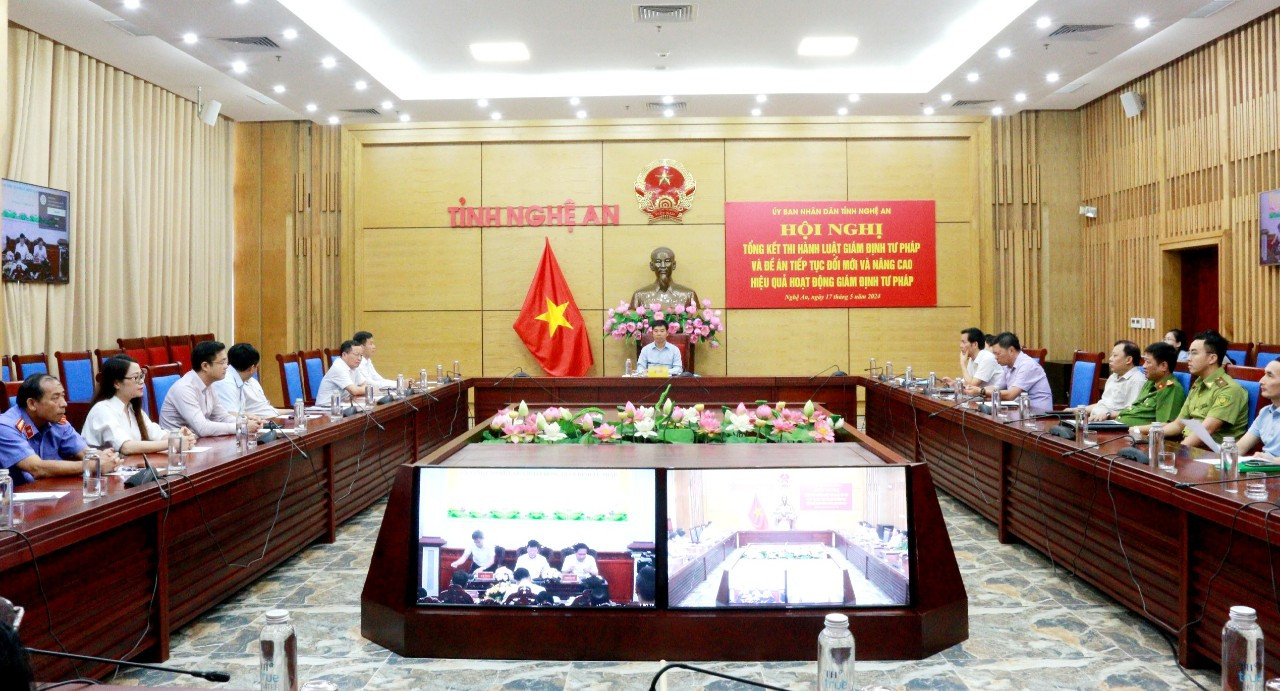
(Baonghean.vn) - On the morning of May 17th, the Ministry of Justice organized a national conference to summarize the implementation of the Law on Judicial Expertise and the Project on continuing to innovate and improve the effectiveness of judicial expertise activities.
The Law on Judicial Expertise was passed by the 13th National Assembly on June 20, 2012, and came into effect on January 1, 2013. The Law amending and supplementing a number of articles of the Law on Judicial Expertise was passed by the 15th National Assembly on June 10, 2020, and came into effect on January 1, 2021.
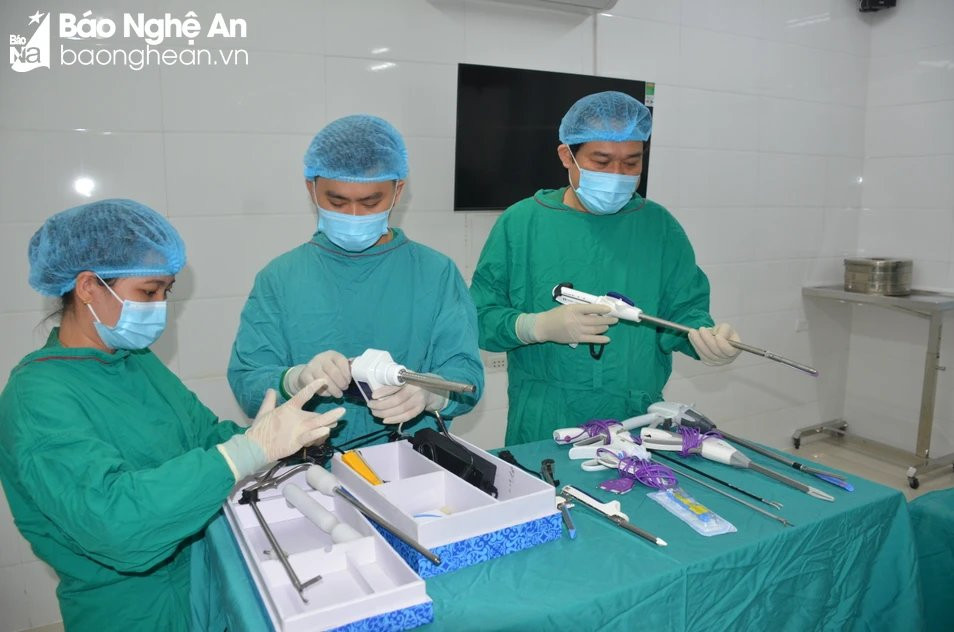
In implementing the Law on Judicial Expertise, ministries, sectors, and localities have recently strengthened the appointment of judicial experts. To date, the number of judicial experts in various fields nationwide is 7,135. In addition, there are 2,621 individuals providing judicial expertise on a case-by-case basis. From 2018 to June 30, 2023, the system of organizations and individuals providing judicial expertise in various fields handled 1,039,615 cases.
In general, the process of receiving requests for expert opinions is carried out quickly and efficiently by expert organizations, especially in fields with specialized organizations such as forensic medicine, forensic psychiatry, and criminalistics, with most requests being met promptly. The process of receiving and conducting expert opinions in fields without specialized organizations is also gradually receiving attention from ministries, ministerial-level agencies, specialized departments, and organizations requested to perform these tasks, and has undergone many changes, basically meeting the requirements of litigation activities.
Expert opinions serve as specialized evidence that plays a crucial role in the swift, accurate, objective, and lawful resolution of cases and incidents, as well as in the fight against crime in general, and the fight against corruption and economic crimes in particular.
In particular, through forensic examination, the criminal technical force and the high-tech expert team have discovered many new methods and tactics used by criminals, promptly notifying relevant agencies to devise appropriate countermeasures; thereby, researching and finding professional solutions that effectively serve forensic work and the fight against crime.
At the conference, representatives from several ministries, central and local agencies delivered speeches, highlighting difficulties and obstacles, as well as proposing solutions to improve the effectiveness of forensic examination activities.
In his concluding remarks at the conference, a representative from the Ministry of Justice stated that, in the coming period, forensic examination work needs continued attention and guidance from all sectors and levels with comprehensive solutions. This includes strengthening the responsibility and coordination of competent agencies conducting legal proceedings regarding forensic examination work, in order to continue effectively implementing the Law on Forensic Examination and its guiding documents.
Strengthen the infrastructure, equipment, and means of forensic examination and ensure funding for the operation of public forensic examination organizations, while also ensuring funding and conditions for state agencies, units, and civil servants and public employees in concurrent fields to successfully complete their forensic examination tasks.
In addition, it is necessary to strengthen training and professional development in legal knowledge and expertise for the team of experts, ensuring that each expert is fully equipped with legal knowledge and professional skills; to focus on and regularly organize training to update new legal regulations and new knowledge, methods, and professional expertise; and to promote international cooperation in training and professional development for the team of judicial experts in various fields…


