
Healthy digestion every day - the 'key' to supporting disease prevention from afar.
(Baonghean.vn) - Taking care of a healthy digestive system helps increase the body's resistance, thereby preventing many diseases, said Doctor Nguyen Thi Lam.
Associate Professor, Dr. Nguyen Thi Lam - Former Deputy Director of the National Institute of Nutrition, explains that the digestive system includes the oral cavity, esophagus, stomach, small intestine, large intestine, etc. This is the organ that receives food, then breaks it down and metabolizes it. The digestive system also functions to extract and absorb nutrients to provide essential nutrients for most life activities, as well as tissues, cells, and the entire muscular system of the body. The digestive system affects overall physical and mental health, and has the ability to prevent diseases in many organ systems. A healthy digestive system is key to overall health. When any part of the digestive system malfunctions, other parts of the digestive tract and the entire body will be negatively affected.
The digestive system provides nutrients to nourish the body.
"When we eat meat, rice, or any other type of food, the digestive system helps to break down the food and convert it into nutrients that the body can easily absorb," emphasized Dr. Nguyen Thi Lam.
Each organ in the digestive system plays a specialized role in the transport, digestion, absorption of nutrients, and elimination of waste. The oral cavity helps to break down food and partially digest starches. The stomach contracts to mix food with digestive enzymes secreted by the stomach and partially digest starches and proteins. The small intestine, with the help of pancreatic juice, intestinal juices, and bile salts, thoroughly digests fats, proteins, and starches, while also dissolving vitamins and minerals. All nutrients are absorbed through the small intestine into the bloodstream to nourish the body.
Nutrition is a fundamental human need, essential for all life functions. Eating is the natural and effective way to provide the body with nutrients. When nutrition is lacking, we may experience various illnesses, weakened immune systems, and increased risk of infection. In young children, nutritional deficiencies can also lead to developmental delays. For patients recovering from treatment or in hospital, malnutrition can negatively impact their healing process and overall recovery.
The digestive system helps boost immunity.
Many bacteria, viruses, and pathogens enter the body through the digestive tract. The human gut is specially structured to simultaneously perform the functions of nutrient absorption and natural immunity.
Dr. Nguyen Thi Lam added that 70% of epithelial lymphatic immunity is concentrated in the digestive system. The digestive system is also where immune factors for the body are produced. The digestive system has many immune cells such as macrophages and IgA antibodies... which help boost the body's resistance and prevent disease.
 |
| A healthy digestive system helps boost immunity. (Image: Vinamilk) |
A healthy digestive system naturally leads to a healthy immune system, contributing to disease prevention and faster recovery for patients when they are sick.
Solutions for a healthy digestive system.
According to Doctor Nguyen Thi Lam, a healthy digestive system can prevent gastrointestinal diseases such as acute diarrhea, chronic diarrhea, colitis, pancreatitis, and stomach pain.
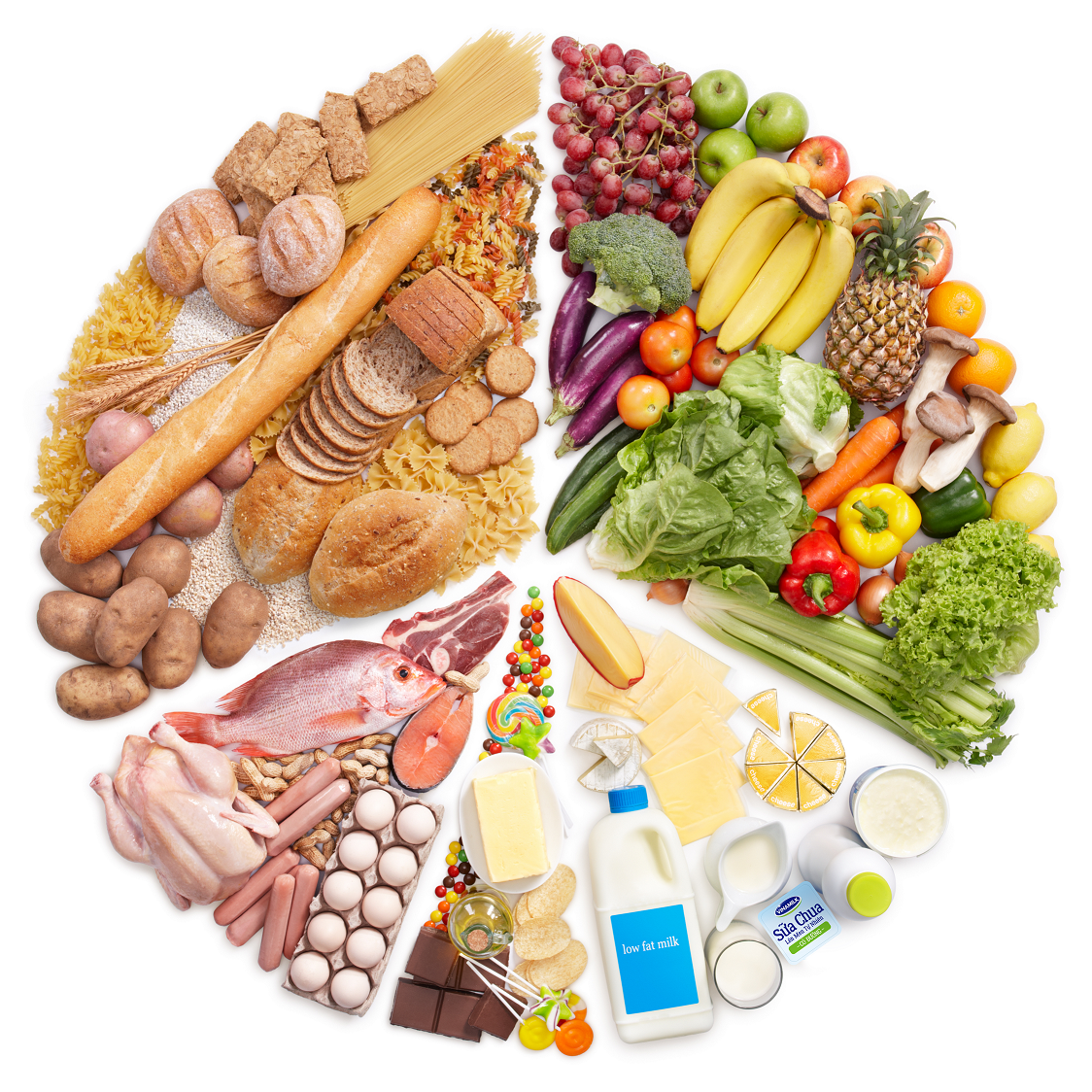 |
| A nutritionally balanced diet as recommended by experts. Photo: Shutterstock |
"To maintain a healthy digestive system, we need to pay attention to providing sufficient nutrition. For example, the diet must include all the recommended food groups: carbohydrates, proteins, fats, vitamins, and minerals, as shown in the National Institute of Nutrition's food pyramid. In particular, fiber, green vegetables, and ripe fruits can help improve appetite, promote better bowel movements, and thus improve nutrient absorption," Dr. Lam explained.
Another important point to note is that a healthy digestive system is one where the gut microbiome is in balance. When the microbiome is imbalanced, digestive and immune system disorders in the gut, as well as physical and mental disorders such as depression or certain gut diseases, begin to appear.
In reality, the balance of the gut microbiome is frequently "threatened" by environmental factors, diet, or the need to take antibiotics for certain illnesses, etc.
To promote the growth of beneficial bacteria in the gut, in addition to supplementing with fiber – considered a food source for beneficial bacteria – products containing digestive enzymes can be used.
"When supplementing with digestive enzymes to support the growth of beneficial bacteria, it's advisable to choose products of natural origin, well-researched for their digestive benefits, and that won't be broken down by bile or the stomach environment. For example, the Bulgaricus strain found abundantly in yogurt products," Dr. Lam noted.
The doctor added that, besides being good for digestion, yogurt is also a source of nutrients (protein, calcium, vitamins, etc.) that are fermented, making them easily absorbed by the body and reducing the workload on the digestive system. For example, people who are lactose intolerant or have poor lactose tolerance, who may experience stomach pain when drinking milk, can still effectively absorb the nutrients in yogurt because the lactose has been fermented and metabolized.
 |
| Yogurt has long been considered a delicious and very good food for the digestive system every day: Photo: Vinamilk |
Dr. Nguyen Thi Lam emphasized that eating yogurt regularly every day is one of the measures that contributes to maintaining a healthy digestive system. A healthy digestive system means the body absorbs nutrients more efficiently, produces more immune factors, thereby enhancing the body's resistance to effectively prevent diseases.


