
Silent cardiovascular damage caused by cigarette smoke.
Many recent studies show that the toxins in cigarette smoke seriously affect health, especially increasing the risk of cardiovascular diseases.
Previous studies have shown that smoking is particularly harmful to the cardiovascular system. Tobacco smoke reduces the amount of oxygen in the blood, forcing the heart to work harder to pump blood, leading to shortness of breath and impaired muscle function. Carbon monoxide, produced during the combustion of tobacco, is one of the main factors damaging blood vessel walls and increasing the risk of cardiovascular disease.
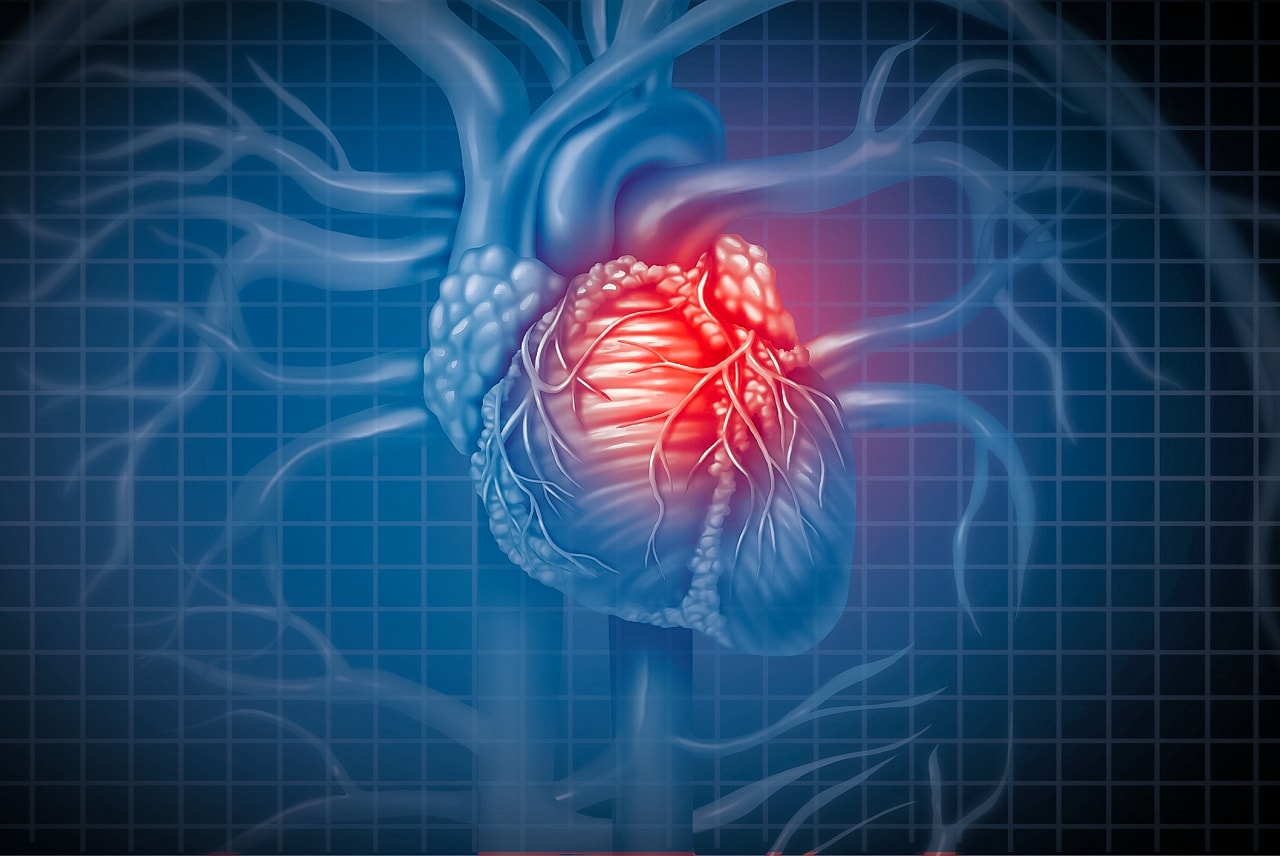
More recently, Danish researchers analyzed data from nearly 3,900 people aged 20-99 (average age 56), 43% of whom were women, all with no history of heart disease. This group included regular smokers, former smokers, and non-smokers. Participants were required to estimate their lifetime cigarette consumption and undergo echocardiography.
After adjusting for various factors (age, body mass index, hypertension, diabetes, etc.), researchers compared the heart function of current smokers with that of never smokers. Compared to never smokers, current smokers had thicker, weaker, and heavier hearts.
Current smoking and cumulative smoking over many years are associated with a deterioration in the structure and function of the left chamber of the heart—the most important part of the heart. This means that smokers may have a smaller left chamber for blood and less energy to pump it to the rest of the body...
Furthermore, over a 10-year period, those who continued to smoke developed thicker, heavier, and weaker hearts, less capable of pumping blood than those who never smoked and those who quit within that time.
Studies show that the more a person smokes, the more significantly their heart function deteriorates. However, the good news is that some heart function can be restored over time when smoking is quit. Experts affirm that, regardless of age, even after 50, quitting smoking still brings significant benefits to cardiovascular health.
According to the World Health Organization, tobacco kills more than 8 million people every year. Smoking is responsible for 50% of all preventable deaths among smokers, with half of these due to atherosclerotic cardiovascular diseases such as heart attacks and strokes.
The harmful effects of smoking on arteries and arterial diseases such as heart attacks and strokes have been clearly demonstrated. Studies have also shown that smoking is associated with a higher risk of heart failure, where the heart muscle does not pump blood throughout the body as effectively as normal because it is too weak or stiff. This means the body does not receive the oxygen and nutrients necessary for proper functioning.


