(Baonghean.vn) - On a cold winter day, visit the villages along the Lam River in Hung Nguyen district to experience life with the people of the "worm-farming villages," and gain a deeper understanding of Nghe An's "worm-farming region" with its hardships, difficulties, lantern-lit nights, and delicious dishes.
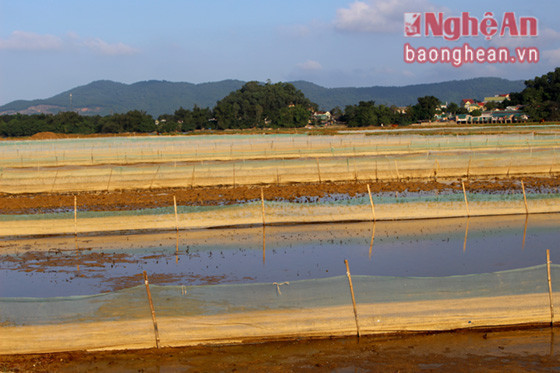 |
Before the village-wide rươi (a type of worm) hunting night (also known as the "rươi festival"), the green nets covering every rice paddy in Hung Nhan commune are spread out across the fields. Those visiting the "rươi village" for the first time, walking amidst the endless nets, are inevitably surprised and eager to experience the feeling of catching this "gift from nature." |
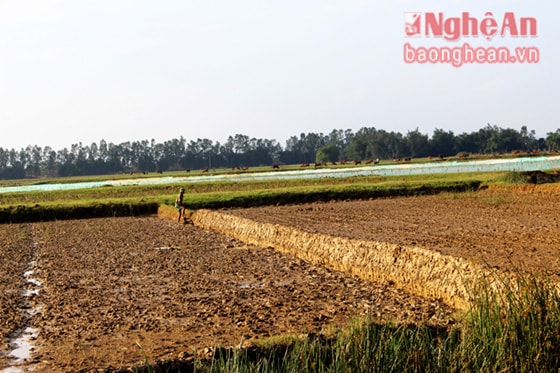 |
| In the rice fields, only in the areas near the banks and rice paddies close to the rising and falling water levels can you find mudworms. Those who own rice paddies in this region build high embankments above the water level, allowing the water to flow into another field so they can set up nets to catch the mudworms. |
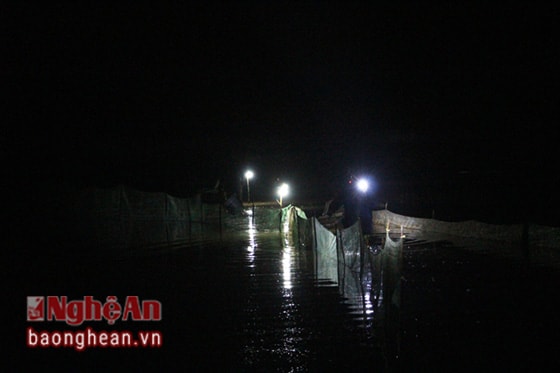 |
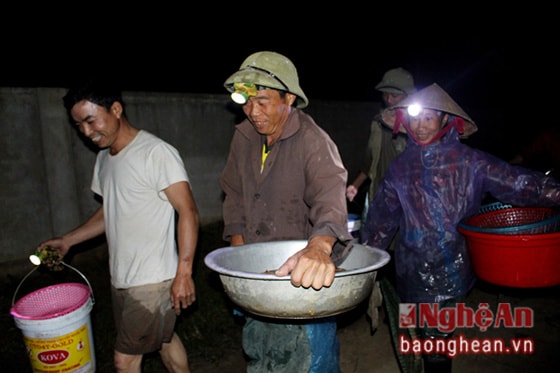
| In Hung Loi, the "rice worm village," the evening scene is unusually quiet because the villagers go to bed early to wake up at midnight. The best time to go to the fields is when the tide is at its peak. From midnight onwards, the fields become bustling and sparkling with lights. |
 |
| People brought their tools to the fields to catch lugworms. Some cast nets, others set traps... laughing and chatting excitedly. In the deep, fast-flowing canals, lugworm catchers had to wade in to set up their traps and nets in the strong current. |
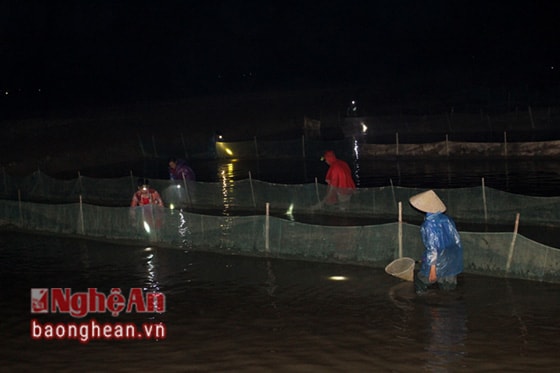 |
| When the tide begins to recede, the mudworms swim freely in the rice fields. People carry lanterns to collect them, creating a bustling atmosphere in the fields. In the past, under the flickering torchlight and the dim oil lamps, catching mudworms was extremely arduous, with many people suffering from sunburned faces and burnt hair. Nowadays, fishing tools have improved, but the work of catching mudworms still requires toiling late into the night, enduring rain and cold winds. |
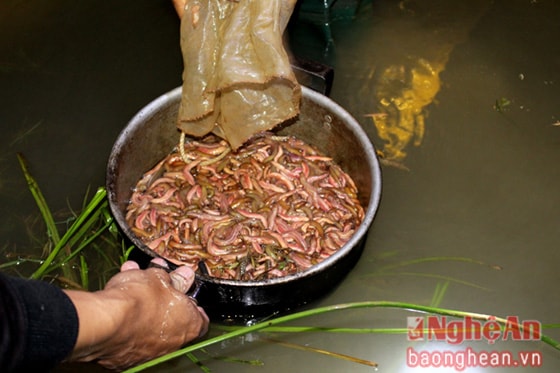 |
| Catching mudworms in the rice fields is a laborious process; some nights you can catch dozens of kilograms, but other nights you only get a few hundred grams, and you have to meticulously clean each worm individually. |
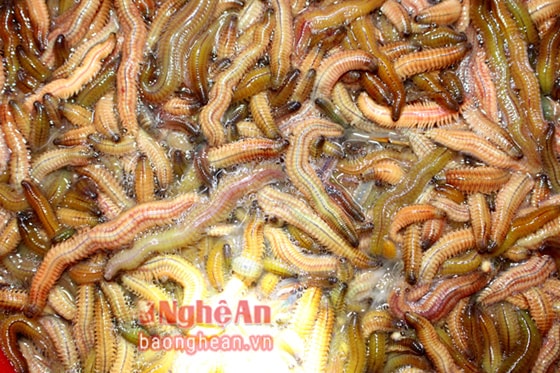 |
| The plump, golden color of the Hung Nguyen worms is a distinguishing feature compared to the green worms found in the Northern Delta. Locals say that whether rice is grown in the same fields or not, the worm fields are still plowed and fertilized to make the soil deep, loose, and fertile, resulting in a higher worm yield. |
 |
| For the people of Hung Loi, the "worm-collecting village," harvesting worms is more important than growing rice. "Growing rice is just for fun; the spring crop provides enough rice to eat, but the autumn crop doesn't have enough money to rent threshing or harvesting machines. All year round, the people here just look forward to the worm harvest," a villager said. |
 |
| After each sleepless night tending to the mudworms with so much anticipation, the villagers can sell the harvested mudworms right in the fields to traders (350,000 - 500,000 VND/kg) or take them to the market to prepare dishes. Each mudworm season, some households earn hundreds of millions of VND, while others earn tens of millions. The mudworm fields of Hung Nguyen district bring in billions of VND annually for the people, hundreds of times more than growing rice or other crops. |
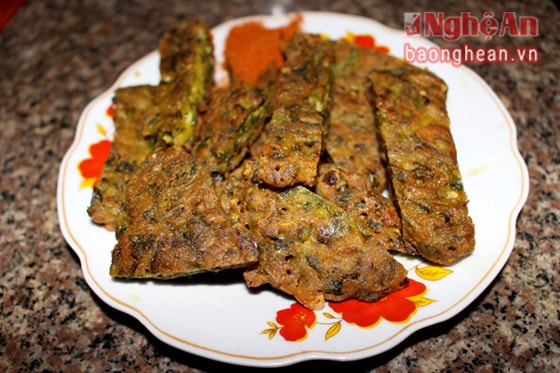 |
| Sea worms (Rươi) are a protein-rich food that can be prepared in many delicious dishes such as boiled, braised, stir-fried, wrapped in betel leaves, or cooked in bamboo shoot soup… Among the dishes made with fresh sea worms, sea worm patties are particularly appealing. Visiting the "sea worm village" on a cold day, enjoying the rich, sweet, and fragrant sea worm patties while sipping on a glass of local rice wine is an absolute delight for visitors from afar. |
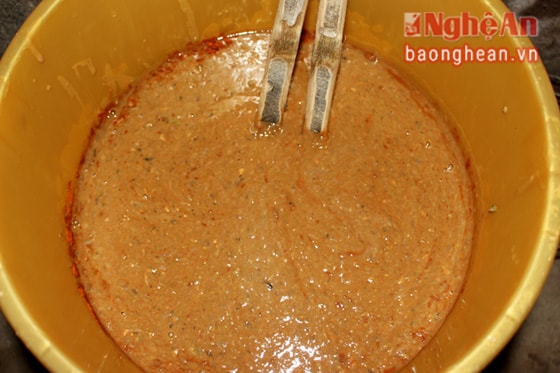 |
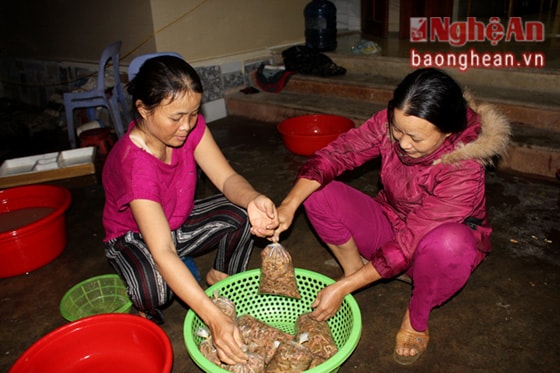
| Having been closely associated with the mudworm for generations, the people of the "mudworm village" have accumulated much experience in processing mudworms into various dishes, among which mudworm paste is a specialty of Hung Nguyen. With the skillful hands of mothers and sisters, a mixture of mudworms, salt, roasted rice flour, orange peel, shallots, etc., after a period of drying and fermentation, becomes the famous and delicious mudworm paste. Each mudworm season, every family sets aside about 10 kg of mudworms to make paste for consumption, gifting, and selling any surplus at prices up to 500,000 VND per bottle (650ml bottle). |
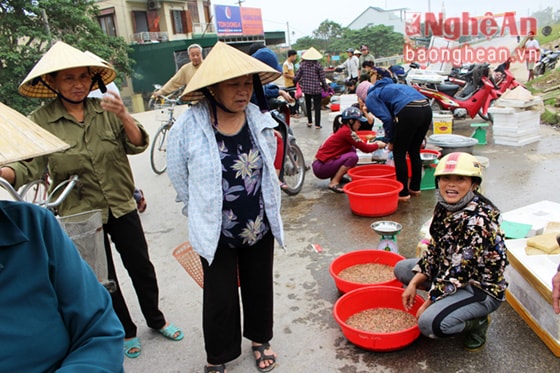 |
| During the rươi (a type of worm) season, the fields at night are as lively as a festival, and the markets are bustling with buyers and sellers of rươi. It seems that nature has bestowed this "gift from heaven" upon the people of Hung Nguyen, a flood-prone region, to bring joy, provide livelihood, and compensate for their hardships and misfortunes. Rươi has become an integral part of the lives of the people here; they miss it when they leave and cherish it when they stay. |
Huy Thu



