
A solemn ceremony commemorating the 85th anniversary of the death of the patriotic scholar Phan Bội Châu.
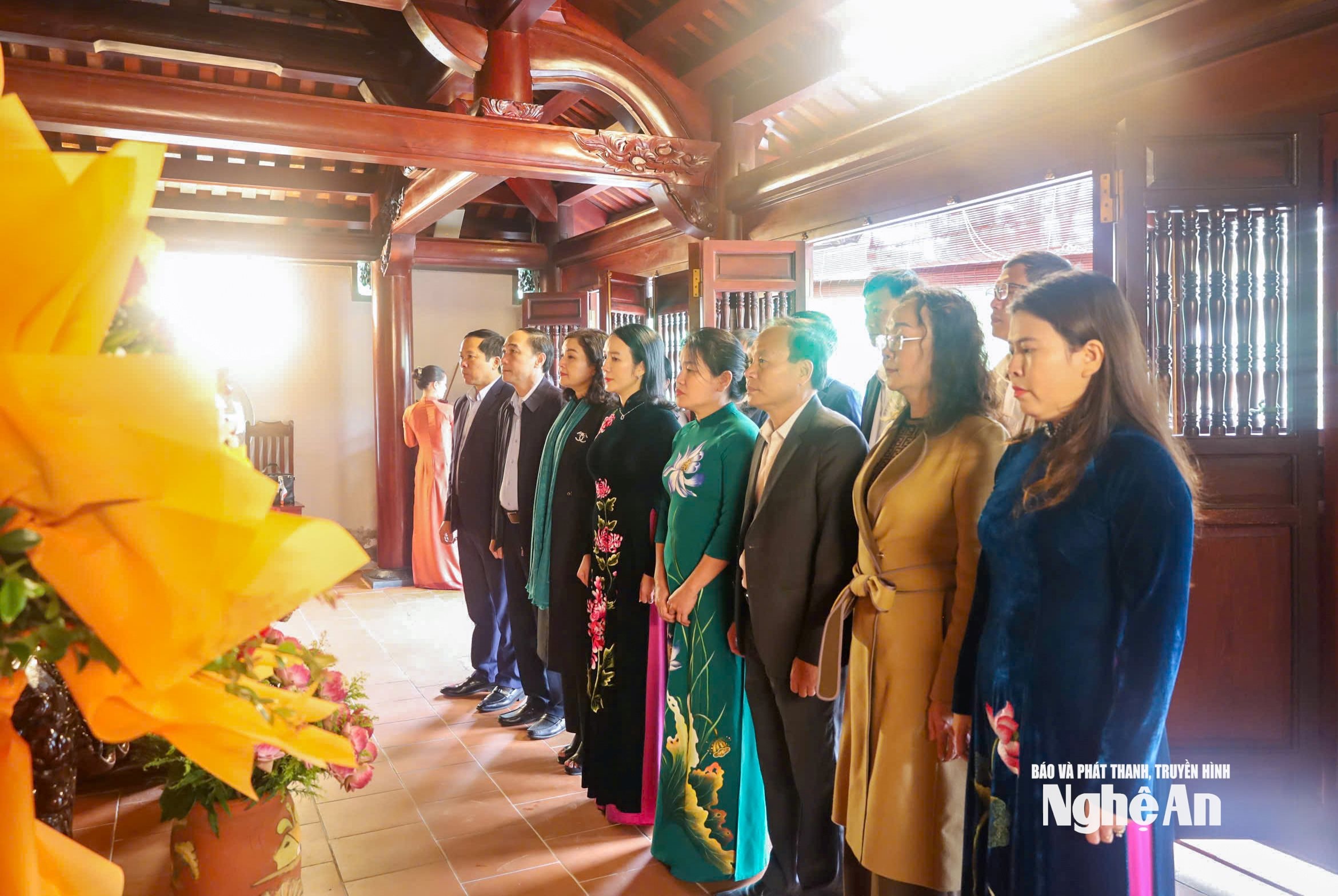
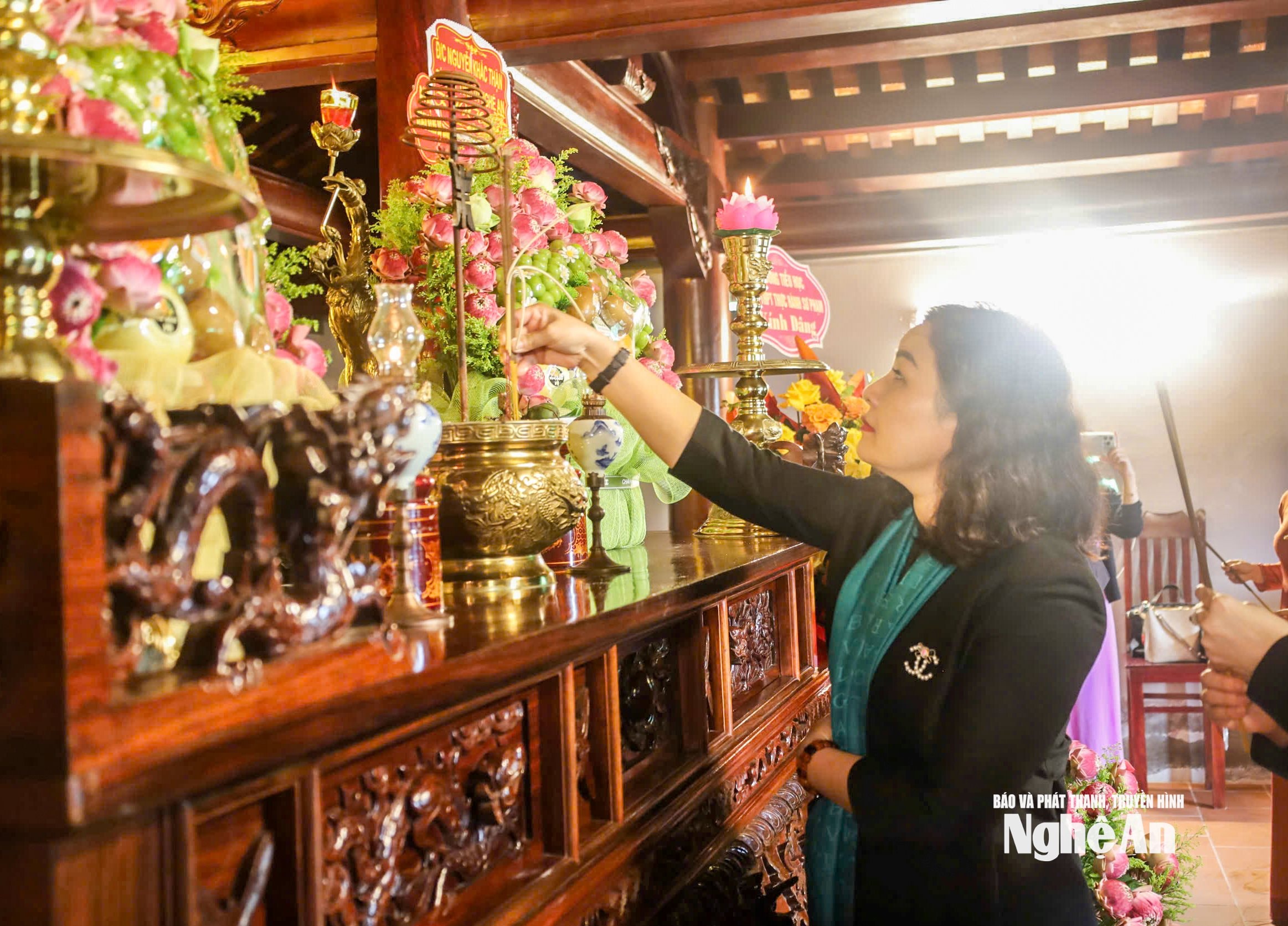
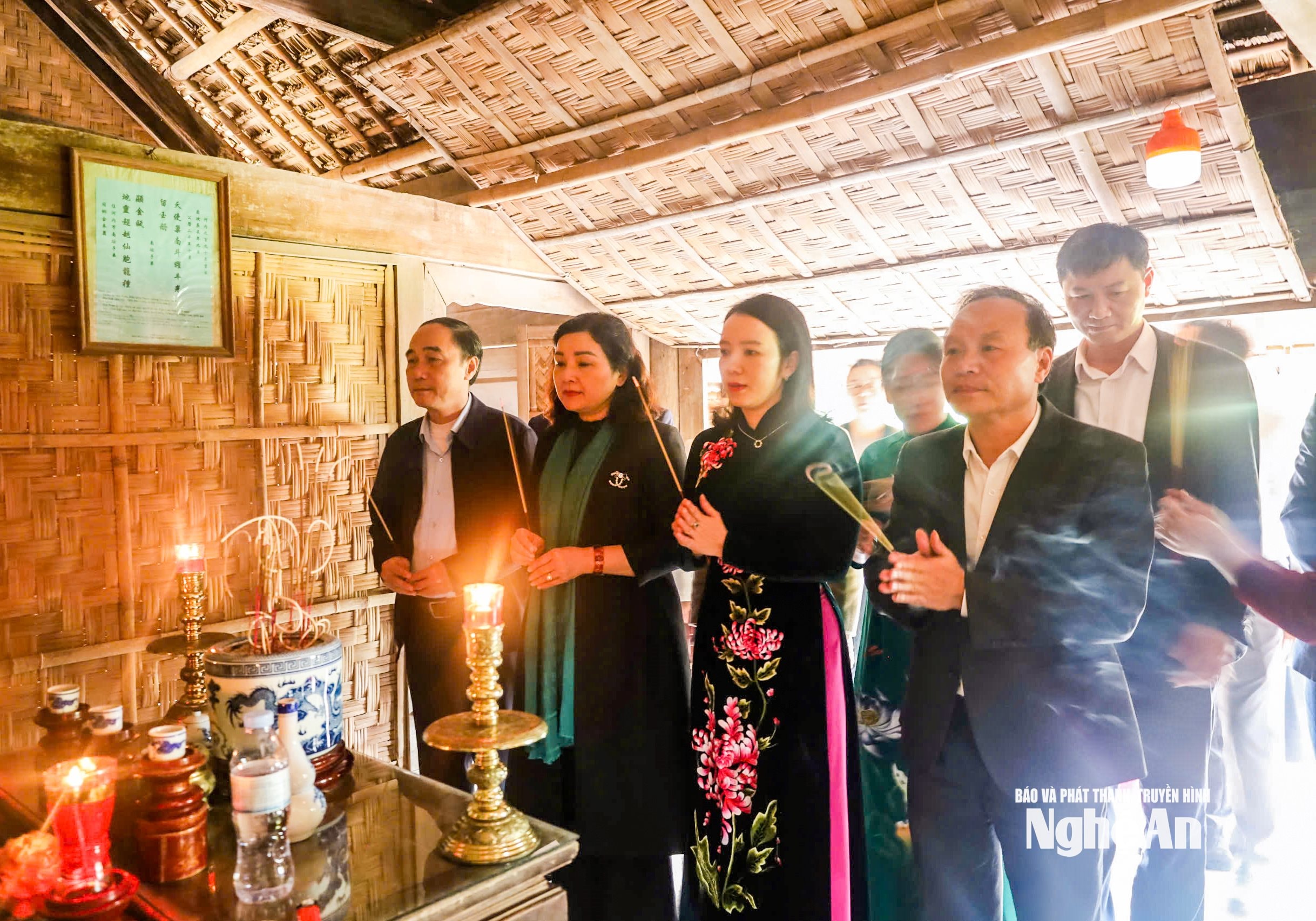
On the morning of November 18th (corresponding to the 29th day of the 9th lunar month), at the Phan Boi Chau Memorial Area in Van An commune, the Nghe An Department of Culture, Sports and Tourism organized a ceremony to lay flowers and offer incense in commemoration of the 85th anniversary of the death of the patriotic scholar Phan Boi Chau.
Attending the ceremony were members of the Provincial Party Committee: Nguyen Thi Hong Hoa - Deputy Head in charge of the Provincial Party Committee's Inspection Committee; Tran Thi My Hanh - Director of the Department of Culture, Sports and Tourism. Also present were representatives from provincial departments and agencies; and leaders.Van An communeand the Phan family council.
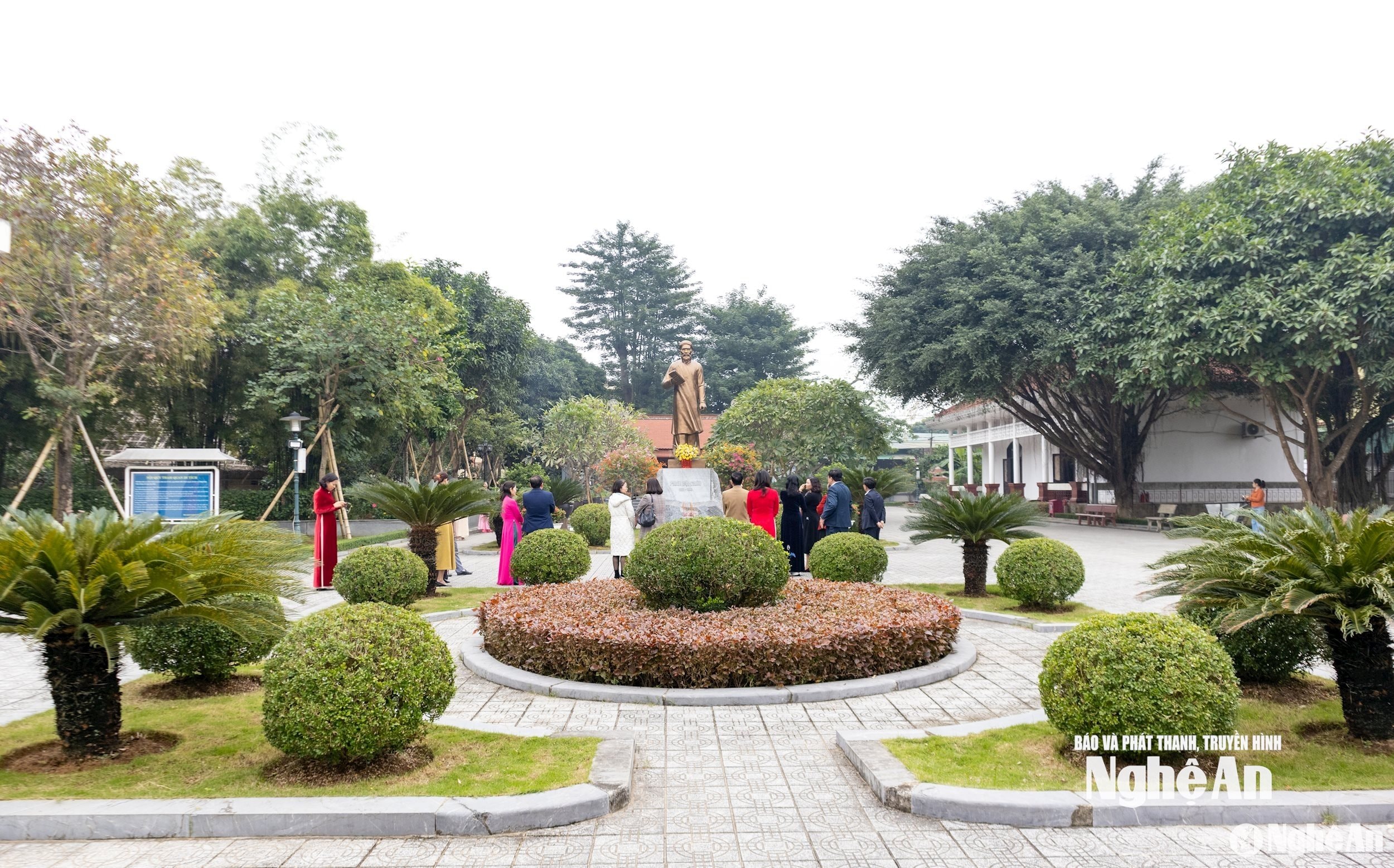
In a solemn atmosphere, the delegates respectfully offered incense and flowers, expressing their profound gratitude to the patriot Phan Boi Chau – a man who dedicated his life to seeking a path to national liberation, leaving a great mark on history.patriotic movements of the early 20th century.
.jpg)
Phan Bội Châu (given name Phan Văn San, pen name Sào Nam) was born on December 26, 1867, in Sa Nam village, Đông Liệt commune, Nam Đàn district (now Vạn An commune, Nam Đàn district) into a patriotic scholarly family. Advocating for national salvation through violent means, he founded the Duy Tân Society and the Việt Nam Quang Phục Society to gather forces for armed struggle and seek external support.
Among the patriotic movements he initiated, the Dong Du movement was a prime example, embodying the spirit of "shared continent, shared race, shared culture," laying the foundation for many important changes in the country in the early 20th century.
From 1905 to 1908, more than 200 young Vietnamese people went to Japan to study, contributing to the formation of a new intellectual class that embraced revolutionary ideas and marking an important milestone in Vietnam-Japan cultural and educational relations.
In mid-1925, Phan Bội Châu was arrested by the French colonial authorities in Shanghai, brought back to Vietnam, and tried at the Hanoi Criminal Court. Faced with a strong nationwide protest demanding his release, the French colonial authorities were forced to place him under house arrest in Hue. He passed away on October 29, 1940 (corresponding to September 29 of the year Canh Thin in the lunar calendar) in his thatched house on the slopes of Ben Ngu.
Having dedicated his entire life to the cause of national liberation, Phan Boi Chau is a shining example of patriotism, as affirmed by President Ho Chi Minh: He was "a hero, a messenger of God, a selfless figure who sacrificed himself for national independence, revered by 20 million people under slavery."


