
Controversy surrounding a spray that erases all traces of DNA.
Wherever you are, you risk leaving behind traces of your DNA, from fingerprints, skin, and hair to saliva and cigarette butts. Concerned that these DNA traces could be collected and stored unintentionally, an American company has created a new line of sprays that help make them "invisible."
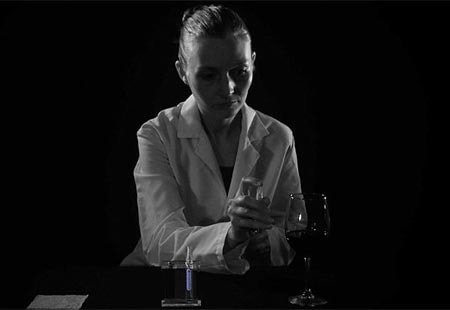 |
| Invisibility spray can erase or mask the traces left on the surfaces of a person's belongings. Photo: REX |
A new line of spray called Invisible is expected to be released in limited quantities by BioGenFutures in June. BioGenFutures is a genetic security company founded by artist Heather Dewey-Hagborg and based in Brooklyn, USA.
Last year, Ms. Dewey-Hagborg organized an exhibition titled "Stranger Visions" to showcase lifelike 3D portrait sculptures of strangers, using DNA she had collected in public places.
According to BioGenFutures' website, the Invisible spray is capable of erasing or obfuscating any traces left by a person on doorknobs, keyboards, seats on trains or buses, or in restaurants or public places.
The first product in the line of invisibility sprays, called "Erase," is advertised as an "anti-DNA cleaning product," functioning similarly to a disinfectant spray. Meanwhile, the product called "Replace" is a camouflage spray that adds a mixture of genetic material to a DNA sample to conceal details of the original trace.
All of this means that, when using this type of spray, customers can erase everything or leave behind alternative DNA traces to protect their privacy.
However, some experts have expressed concerns about the existence of this new line of sprays. They argue that, theoretically, criminals could use the product to commit crimes without leaving a trace, making it difficult for investigators.
Dr. John Bond from the University of Leicester (UK) added that removing DNA is easily accomplished through thorough cleaning, such as with biological detergents. Bond suggested that manufacturers may be profiting from the hype surrounding DNA analysis and the unfounded fear that people's traces will be used for illegal investigative purposes.
According to Vietnamnet


