
Avoid getting sick from eating pork and beef improperly.
Pork is rich in vitamins but carries the risk of parasitic infections and growth hormones; beef is good for blood but people with high cholesterol should not eat too much of it.
According to health experts, pork is rich in protein, fat, vitamins, and minerals, and is easily absorbed by the body. Beef is beneficial for those needing energy, blood enrichment, and nourishing red blood cells due to its high iron content, numerous vitamins, and omega fatty acids, which are good for the nervous system.
In Traditional Chinese Medicine, pork is considered cold in nature, while beef is considered warm; they are incompatible and counteract each other's strengths. Therefore,Pork should not be eaten together with or cooked together with beef.
People with high blood pressure should avoid beef because it contains a lot of saturated fat, which can worsen their condition. People with high cholesterol should also avoid beef because it is high in cholesterol, which increases blood fat levels.
On average, Vietnamese people need 1-1.5 grams of protein per day. Therefore, dietary intake can be adjusted accordingly; for example, if you eat more fish, eggs, and dairy, you should reduce meat consumption, and vice versa. It's advisable to avoid excessive consumption of red meat, ideally a maximum of 100 grams per day, and to remove any fat before eating.
Beef should be cooked thoroughly; avoid eating it rare.Eating raw or undercooked beef carries the risk of infection with parasites such as beef tapeworm (Taenia saginata), liver fluke, etc. These parasites can cause diseases in the digestive system, affecting the intestines, liver, and other organs in the body.
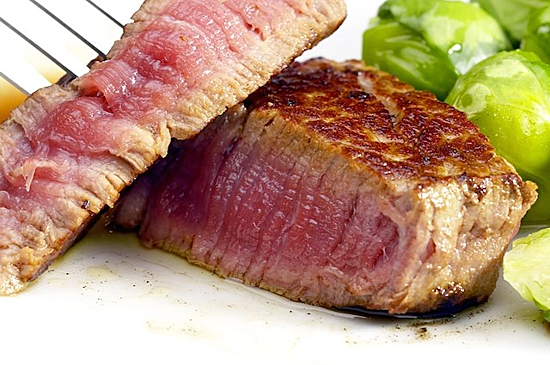 |
Eating raw or undercooked beef carries the risk of parasitic infections. (Image: Health) |
PorkPork is a familiar and easy-to-prepare dish, but besides the risk of parasitic infections, it can also be contaminated with growth hormones, lean meat enhancers, or preservatives. According to physician Bui Dac Sang from the Vietnam Academy of Science and Technology, clean pork is pork from pigs not raised on growth-enhancing feed, free from drug and chemical residues from feed, free from parasites and bacteria, and free from preservatives. Clean pork usually has a thick layer of skin and fat.
A simple way to detect it is to cut the meat along the grain and observe. If the meat has white spots the size of a pinhead, or if the meat fibers are fibrous or large oval-shaped, it is infected with parasites. "It can also be identified by touching the meat," said traditional medicine practitioner Sang. Pork that is hard, lacks elasticity, and is not soft... is very likely to have been treated with urea or contains borax.
The way meat is prepared is also very important. Dishes that are cooked repeatedly or at excessively high temperatures can produce toxins that are harmful to health. Protein from meat can denature, vitamins can be damaged, and nutrients will no longer be beneficial to the consumer's health.
Besides the meat, the skin is also rich in protein and carbohydrates, providing many vitamins and minerals to the body. However,You shouldn't eat too much pork skin."Doctor Linh advises that pork skin contains a lot of cholesterol, which is not good for people with lipid disorders or who are overweight or obese. In addition, pork skin has a high protein content and is difficult to digest, so people with gout or kidney failure should also limit their consumption."
Currently, many facilities use chemicals to bleach pig skin, including potassium nitrate (KNO3), a substance used in fertilizers to provide nutrients to plants, to make the skin shiny and visually appealing when it is popped. The whiter the pig skin, the more chemicals are used. These chemicals and industrial detergents only whiten the skin but cannot kill all bacteria, larvae, and pathogens.
Eating a lot of meat and little green vegetables is directly linked to obesity and an increased risk of non-communicable diseases. Therefore, whether it's pork or beef, choose clean meat, cook it thoroughly, avoid raw meat, and adjust your diet to include a balanced mix of poultry, fish, plant-based protein, and lean red meat. Prepare red meat healthily, limiting frying, grilling, and smoking. In addition, maintain a healthy weight and exercise regularly.


