(Baonghean.vn) - Located in the southwest, more than 30 km from the center of Que Phong district, Tri Le commune has a 17 km long border (adjacent to the Pha Danh and Phan Thoong villages of the Lao People's Democratic Republic). Its natural area is 20,241 hectares, accounting for nearly 11% of the total natural land area of the district.
Here, four ethnic groups—Thai, Mong, and Khmu—live together in 33 villages with 1,851 households and 9,537 inhabitants. Over the years, thanks to the attention and guidance of the District Party Committee, the District People's Council, and the District People's Committee, which have provided support and invested in infrastructure and implemented socio-economic development projects, the socio-economic situation of Tri Le commune has gradually stabilized, with a relatively high economic growth rate. This has created favorable conditions, an environment, and resources for implementing the poverty reduction program for ethnic minorities.
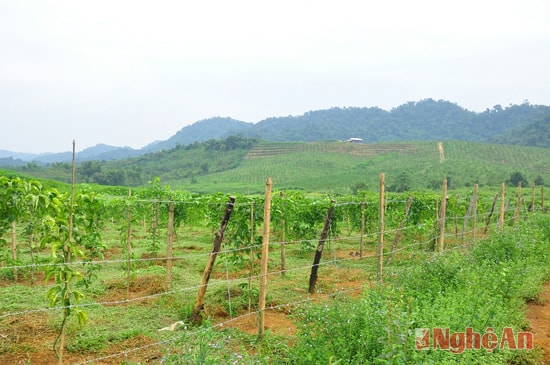 |
| Passion fruit vines cover the once barren lands of the Minh Chau resettlement village. |
In Tri Le now, the most talked-about topic among the locals is still the story of passion fruit. At the end of 2010, the commune planted 2 hectares of passion fruit as a model in four villages: Ta Pan; D1; Yen Son; and Xan. From the first year, the 2 hectares (1,000 plants) showed that this crop was suitable for the soil, weather, and production conditions of the people in Tri Le commune. On August 23, 2013, the Standing Committee of the Commune Party Committee issued Resolution No. 06-NQ/DU on the development of passion fruit cultivation for the period 2013-2020 with a planned area of 565 hectares. In 2013, the people planted 19 hectares, and in 2014, they planted 100 hectares, concentrated in Yen Son and Xan villages. Many households have become exemplary models in transforming their mixed orchards into passion fruit orchards, achieving initial success, such as the families of Vi Thanh Xuan and Quang Van Xuan. Mr. Vi Van Nhan from Yen Son village and Mr. Lu Van Chien from Xan village have invested in planting 70-90 trees per household and have earned between 40-60 million VND from the harvest.
It's not just passion fruit cultivation; the people of Tri Le are now expanding into many new business ventures, such as trading local goods in the bustling market, raising deer, and cultivating rice paddies.
Although Tri Le is remote, it is now closer to Kim Son town and the lowlands thanks to the daily commute of vehicles traveling back and forth.
Here are some pictures from Tri Le today:
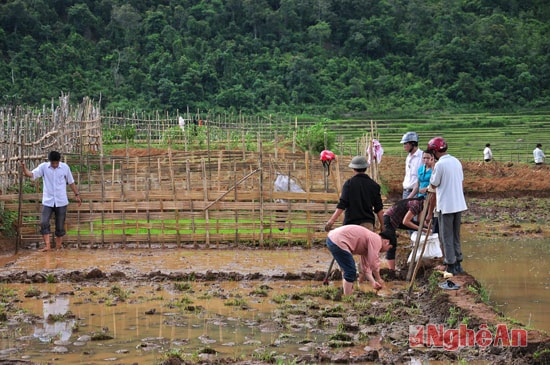 |
| Agricultural extension officers in Que Phong district are guiding people in Minh Chau village on how to cultivate wet rice according to program 30a. |
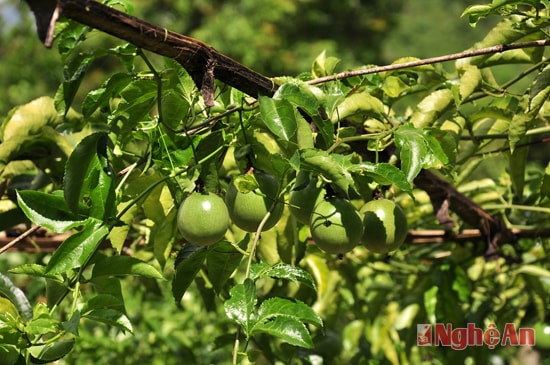 |
| Passion fruit cultivation: a path to poverty alleviation and wealth creation in Tri Le. |
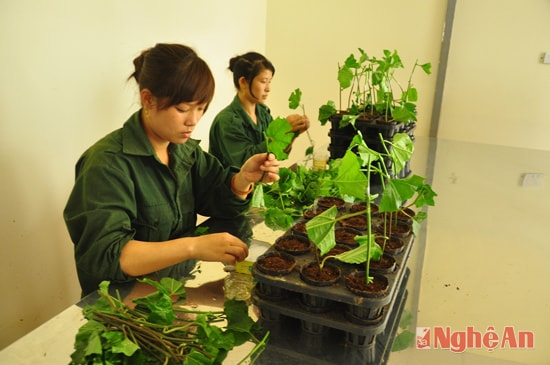 |
| Passion fruit seedlings are being grown at Napaga Agricultural Investment and Development Joint Stock Company. |
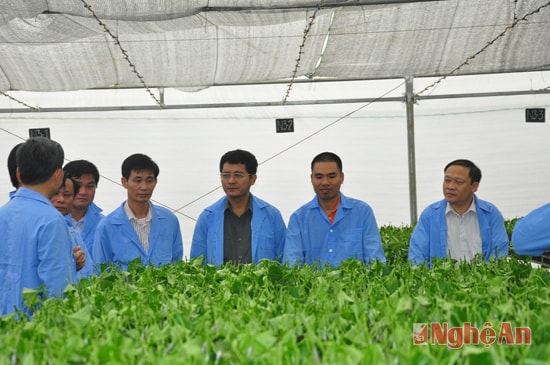 |
| Inspecting the process of cultivating and propagating passion fruit at Napaga Agricultural Investment and Development Joint Stock Company. |
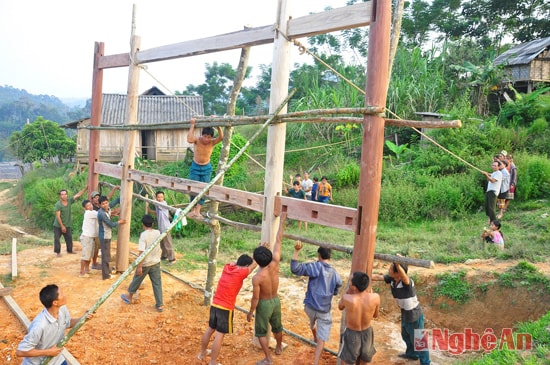 |
| A new house is being built. |
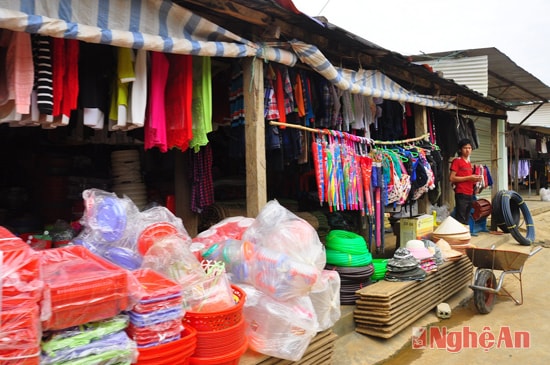 |
| Tri Le Market is well-stocked with goods, not much different from Kim Son town. |
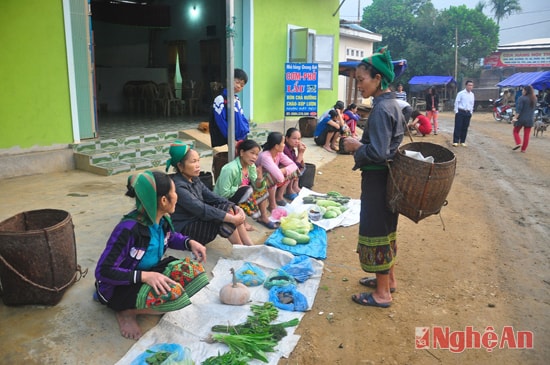 |
| Locals bring produce from the mountains and gardens, such as vegetables, pumpkins, and bamboo shoots, to sell at Tri Le market. |
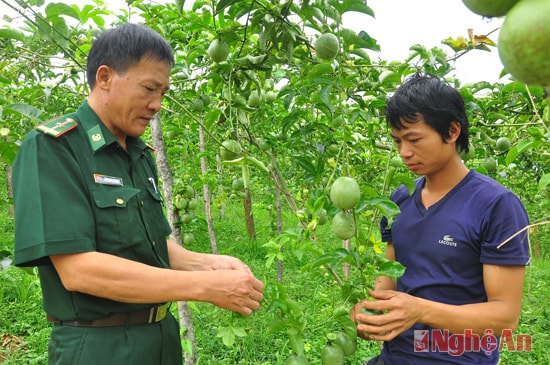 |
| Mr. Vy Thanh Xuan (on the right) is one of the successful passion fruit growers in Yen Son village, earning tens of millions of dong each year. |
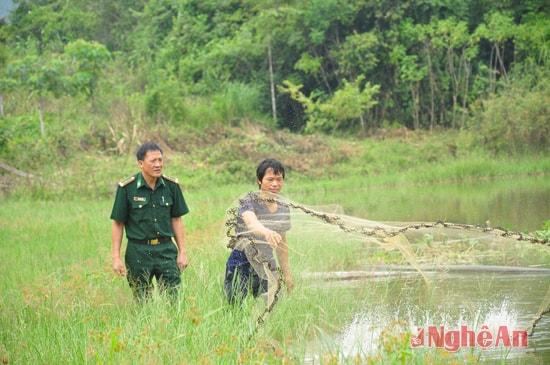 |
| The model of fish farming in ponds is also being actively developed in Yen Son village. |
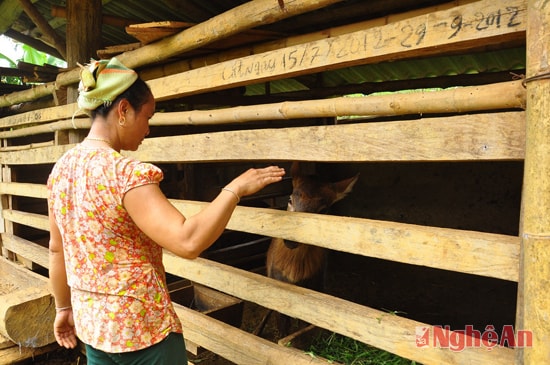 |
| Vy Thi May's family (Yen Son village) also raises deer for antlers, increasing their income. |
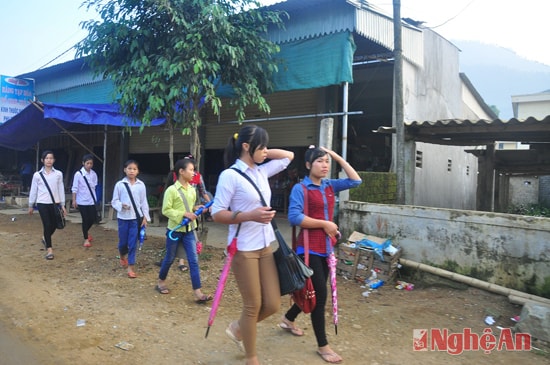 |
| Students from Tri Le boarding secondary school on their way to school. |
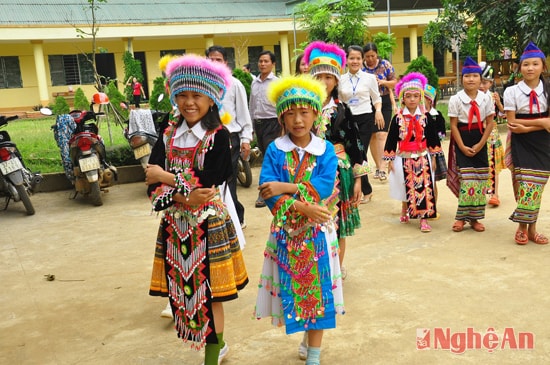 |
| The joy of the Hmong students at Tri Le 2 Secondary School. |
Tran Hai



