
Electronic invoicing has been implemented in 57 provinces and cities.
(Baonghean.vn) - On September 17, 2021, the Ministry of Finance issued Circular No. 78/2021/TT-BTC guiding the implementation of a number of articles of the Law on Tax Administration dated June 13, 2019, and Government Decree No. 123/2020/ND-CP dated October 19, 2020, regulating invoices and documents.
On September 17, 2021, the Ministry of Finance issued Circular No.78/2021/TT-BTCGuidelines for implementing certain provisions of the Law on Tax Administration dated June 13, 2019, Decree No.Decree No. 123/2020/ND-CPGovernment Decree dated October 19, 2020, stipulating regulations on invoices and documents.
These documents are extremely important in transforming the management and use of electronic invoices, helping to save costs for businesses and society, specifically:
I.DoFor organizations and individuals purchasing goods and services:
- It helps buyers easily look up and compare information.electronic invoiceProvided by the seller.
- Using electronic invoices helps businesses reduce costs compared to using paper invoices (reduced costs for printing paper, ink, transportation, and storage of invoices; no need for invoice storage space, etc.).
- Helps businesses reduce the costs of complying with tax administrative procedures.
- Addressing the risks of loss, damage, or fire when using paper invoices.
- Using electronic invoices provides peace of mind for buyers of goods and services: after receiving an electronic invoice, buyers can immediately check it on the tax authority's system to know the exact information about the invoice the seller sent to the tax authority.
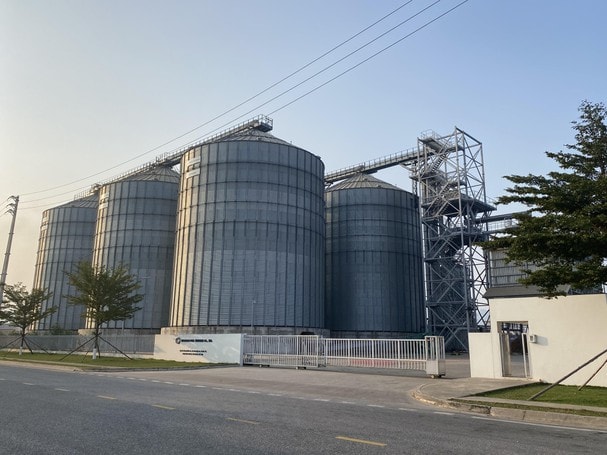 |
| Biomass pellet processing plant in VSIP Industrial Park. Photo: Tran Chau |
II. For organizations and individuals selling goods or providing services:
- Strict adherence to regulations regarding invoices and supporting documents by organizations and individuals will help create a healthy and equitable business environment among taxpayers, thereby facilitating the production and business activities of enterprises.
- Reduce administrative procedures related to invoices; reduce costs associated with sending, storing, and archiving invoices; and reduce the risk of invoice loss.
- Easily integrate created e-invoice data into accounting software, eliminating the need for re-entry, reducing manpower, minimizing errors, and facilitating easy retrieval;
III. For society:
- Contributing to the transformation of how tax authorities serve the public and manage and implement tax procedures towards automation, thereby reforming administrative procedures, creating convenience, reducing costs, and increasing the productivity of businesses.
- Strict adherence to regulations regarding invoices and supporting documents by organizations and individuals helps create a healthy and equitable business environment for taxpayers, thereby facilitating the production and business activities of enterprises.
- Promote the development of e-commerce and digital-based business in line with global development trends.
- Implementing electronic invoices is one of the important aspects to promote digital transformation in businesses, financial institutions, and other government agencies.
- Using electronic invoices helps to overcome the problem of fraudulent and illegal use of invoices (issuing invoices with discrepancies in content between copies), and the falsification of invoices, thereby creating a healthy business environment for enterprises.
- It brings many common benefits to society, such as saving costs, resources, and protecting the environment.
IV. For tax authorities and other relevant government agencies:
- Using electronic invoices helps tax authorities build a database of invoices; combining it with other tax management information to build a comprehensive database of taxpayers, meeting the requirements for information analysis to serve management, forecasting, supporting taxpayers in complying with tax laws, and managing risks in tax administration.
- Contributing to changing management methods based on the application of IT, improving business processes towards automated data processing and control, helping tax authorities use resources and costs effectively, etc.
- Contributing to the timely prevention of invoices from businesses that have absconded or disappeared; contributing to the prevention of tax fraud and tax evasion.
 |
| Exporting goods at Cua Lo Port. Photo: Thu Huyen |
To implement the application of electronic invoices, the Ministry of Finance issued Decision No. 206/QD-BTC dated February 24, 2022, on the implementation of electronic invoices in 57 provinces and centrally-administered cities, including Nghe An province, with implementation starting in April 2022. Recognizing this as a crucial political task, the Nghe An Provincial Tax Department advised the Provincial People's Committee to establish a Steering Committee and a Standing Team for the implementation of electronic invoices; developed an implementation plan and detailed plan; and conducted training on electronic invoice policies, striving to successfully complete the assigned tasks throughout the province. The Tax Department believes that the implementation of electronic invoices will bring many positive benefits, helping businesses operate more efficiently, contributing to the successful implementation of administrative reform, and laying the foundation for digitalization in the era of integration.


