
Trump and Musk clash: How will the tech community react?
Just a few months ago, billionaire Elon Musk and US President Donald Trump appeared to be on friendly terms. Now, they are openly clashing on social media, sparking a wave of controversy in the tech world. When these two "giants" clash, everyone else is forced to choose sides.
The feud between Elon Musk and Donald Trump is not simply a war of words, but a rare confrontation between two of the most influential figures in America.
Amidst the controversy surrounding the Republican spending bill that Musk criticized, tensions erupted on June 5th with a series of harsh statements from both sides.
.jpg)
Musk publicly mocked Trump's connection to convicted sex offender Jeffrey Epstein, even calling for the former president's impeachment.
In response, Trump threatened to cancel lucrative federal contracts that were heavily benefiting Musk's tech empire, including SpaceX and Tesla. It was a confrontation steeped in politics, self-interest, and the egos of two powerful "kings."
A blatant act of "stabbing in the back" between two giants.
“I used to have a great relationship with Elon Musk. I’m not so sure anymore,” Trump said from the Oval Office, before hinting that Musk was criticizing the tax bill simply because it wasn’t good for Tesla.
Musk didn't let it go. On his own platform, X, the billionaire retorted that Trump was distorting the truth, and claimed the Republican candidate would have lost the election without his support.
Clearly, this is no longer a personal conflict but a tumultuous split between two powerful forces that have a significant influence on American politics and technology.
According to leading American political news site Politico, the White House hastily scheduled a call with Musk to de-escalate the situation. Musk, while leaving open the possibility of "making peace for America's sake," continued to attack Trump with his most powerful weapon: his $420 billion social media presence and a relentless barrage of sarcastic posts.
On the afternoon of June 5th, Musk launched a poll on X, asking whether it was time to form a new political party that “represents the middle 80% of Americans.” Preliminary results showed that over 80% of the nearly 2 million respondents said “yes.”
On Trump's side, he could retaliate by cutting government contracts for Tesla and SpaceX, or even reopening the issue of Musk's immigration status, something that right-wing allies like politician Stephen Bannon have always hoped for.
But the question is, who will take whose side? When two figures of immense influence clash, the entire tech world is drawn into the fray, and the "tech billionaires" can no longer remain on the sidelines.
A question mark hangs over David Sacks and Mark Zuckerberg.
In theory, David Sacks – a senior advisor on AI and cryptocurrency at the White House – could be the first to be forced out of office, given his long-standing and well-known close relationship with Elon Musk. But the reality may be different.
Recently, Sacks not only refused to back down but also publicly defended Trump's tax bill, which Musk is vehemently opposing. At the same time, Sacks is a key figure in the cryptocurrency field, an industry favored by the Trump administration.
Unlike Meta or Google, the preferred targets of the conservative faction led by Stephen Bannon, blockchain technology companies are still operating relatively smoothly. Therefore, abandoning their current position is not a logical option for Sacks.
Meanwhile, Mark Zuckerberg – CEO of Meta, who is even more disliked by many Americans than Musk – is in a dilemma. Immediately after Trump's re-election, Zuckerberg quickly shifted to the right, loosening censorship policies and deploying features that mimicked the X platform. But what did that relationship actually yield?
.jpg)
In terms of foreign policy, the Trump administration is opposing EU efforts to tighten regulation of tech giants (Big Tech), which benefits Meta. But domestically, the US Federal Trade Commission (FTC) is still pursuing an antitrust lawsuit against Zuckerberg's company. The trial has concluded, and the ruling could significantly impact Meta's future.
Therefore, despite not being clearly favored by Trump, Zuckerberg had almost no choice but to remain neutral or continue to move closer to the White House. Evidence of this is that during the first-quarter earnings call, he publicly praised the Trump administration for "prioritizing wins for the American technology industry and protecting national values and interests internationally."
Sam Altman – Trump's new "tech ally"
If Elon Musk loses the favor of the White House, Sam Altman – co-founder and CEO of OpenAI – could be the next name to fill that power vacuum in the tech world. And if tensions between Musk and Trump continue to escalate, Altman is likely to benefit the most.
Altman is developing plans to build a global network of AI data centers and worked alongside Trump earlier this year to announce the Stargate project – a major move strongly supported by the White House. That backing certainly doesn't sit well with Musk, who runs the xAI competitor.
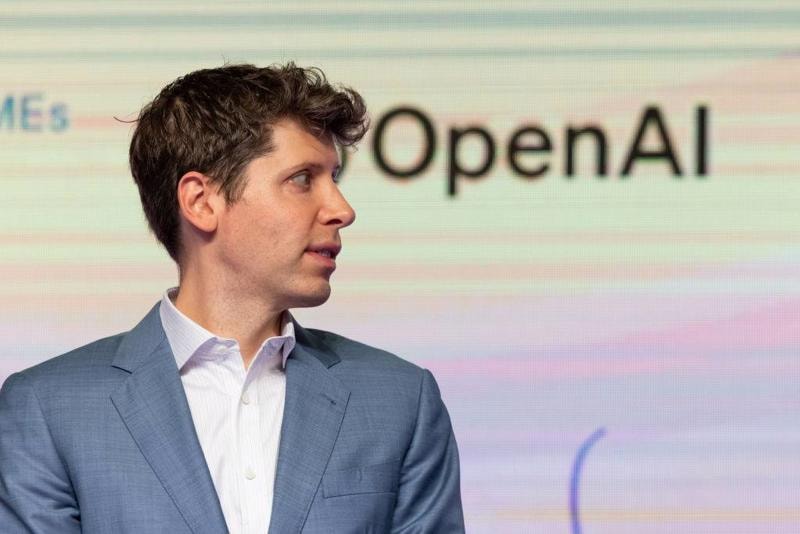
Last February, shortly after Stargate was unveiled, the New York Times pointed out that Musk had invested hundreds of millions of dollars to support Trump, hoping to have a leading voice in US AI policy.
However, while Musk was busy engaging in verbal sparring, Altman quietly approached the new administration, avoiding direct conflict and skillfully maintaining his influence.
After the shock of being ousted from OpenAI in late 2023 and then returning to power just days later, Altman has shown he knows how to "play the game." If a new, Trump-friendly face is needed in the tech world, few are more suitable than Sam Altman.
Jeff Bezos – a clear beneficiary, though not a spectator.
Amidst the public war of words between Musk and Trump, Jeff Bezos, the owner of e-commerce giant Amazon, may well be the biggest beneficiary of this seismic shift in the tech world.
Despite never being close to Trump and even being a frequent target of the former president's attacks while he was in office, Bezos has maintained a strategy of "quietly advancing." But if Musk loses his advantage with the administration, Bezos could certainly step in, especially in the space race.
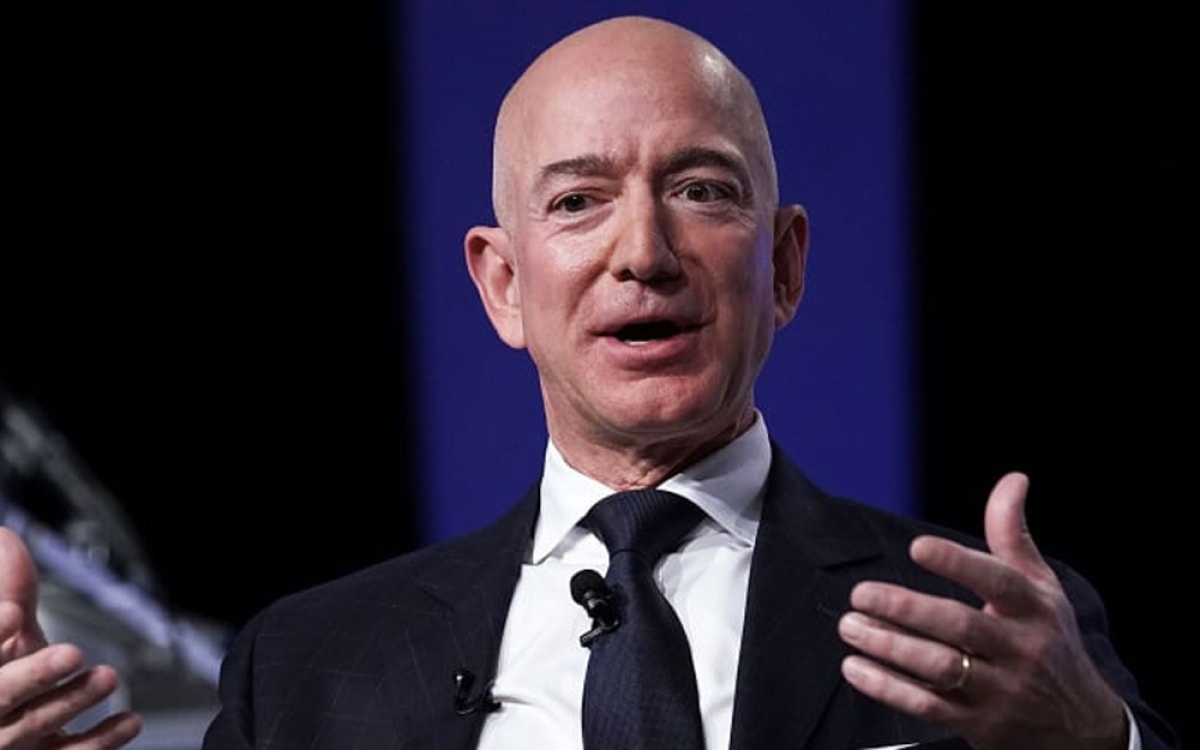
Blue Origin, the aerospace company founded by Bezos, has long been a direct competitor to SpaceX in federal contracts and NASA-funded space missions.
Meanwhile, Kuiper – Amazon's satellite internet project – is being accelerated to catch up with and potentially surpass Musk's Starlink, especially in developing and remote areas.
Not being caught up in the political maelstrom, Bezos has the advantage of "clean hands," and that could become a strategic advantage if the Trump administration needs a less controversial but still capable tech partner to replace Musk.
In the world of American technology and politics, the loudest person isn't always the one who wins big. And Jeff Bezos seems to understand that better than anyone.


