
China accuses NVIDIA of violating antitrust laws.
China claims that NVIDIA's acquisition of Mellanox violates antitrust laws, sparking new tensions in US-China trade relations.
SAMR's initial investigation results.
China's State Administration for Market Regulation (SAMR) has just announced preliminary results regarding NVIDIA's acquisition of Mellanox for $6.9 billion.
Accordingly, SAMR alleges that the company violated antitrust regulations as well as the conditions imposed by China when approving the deal in 2020. However, no penalties have been imposed yet as the investigation is ongoing.
According to the Financial Post, SAMR had actually finalized its conclusions several weeks ago but delayed their announcement. This move was reportedly aimed at giving China an advantage in ongoing trade negotiations with the US in Madrid. The accusations against NVIDIA come at a time when the two countries are seeking a new agreement, which includes issues related to TikTok.
Recent tensions related to chips
When approving the deal in April 2020, China required NVIDIA to continue supplying GPUs and connectivity products to the domestic market, while adhering to the principles of "fairness, reasonableness, and non-discrimination." This was seen as a condition to ensure the Chinese company retained access to the technology after the acquisition.
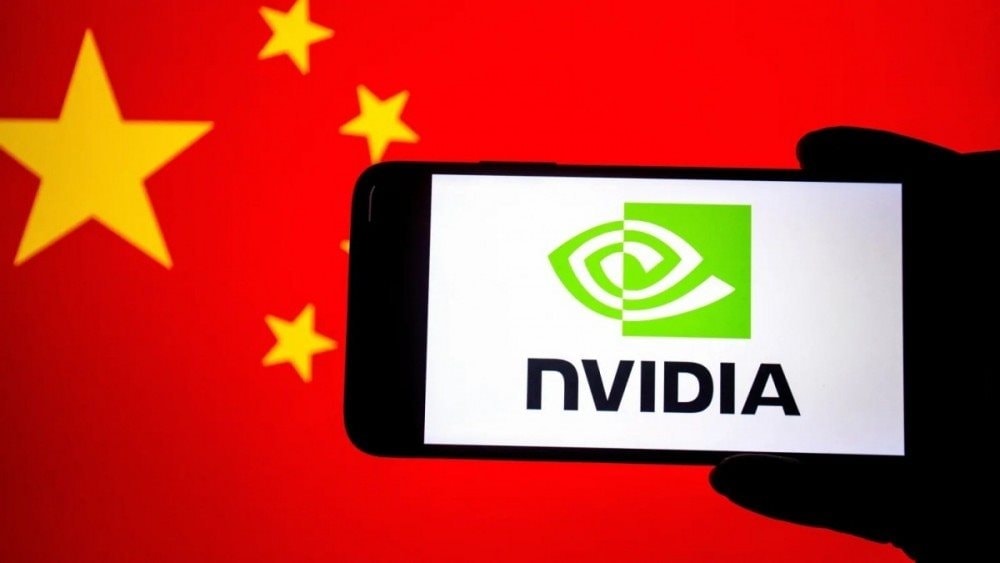
Last month, it was reported that China had advised domestic businesses to limit purchases of NVIDIA's H20 chips due to an ongoing national security review. This was partly due to a statement by US Commerce Secretary Howard Lutnick, who declared that even if the US allowed NVIDIA to resume selling chips after a three-month suspension, China would still not have access to the most advanced technologies.
Lutnick emphasized that Washington wants to maintain a technological distance from Beijing, providing only lower-end products to keep Chinese developers "dependent" on the American hardware and software ecosystem. This further increases tensions surrounding NVIDIA's position in the global market.


