
State funds are being wasted through abandoned clean water projects.
(Baonghean.vn) - In recent years, many centralized water supply projects have been built in rural areas of the province. However, due to a lack of timely upgrades, inappropriate investment, and slow payment and settlement processes, many projects have failed to be effective, resulting in significant waste.
WASTE
Throughout the province, over the years, numerous clean water projects, costing tens of billions of dong, have failed to deliver results. These projects have been highlighted in the media, but ultimately remain unresolved, leading to a situation where...The state's investment capital was wasted and lost..
The clean water plant project in Hung Thong commune (Hung Nguyen district) is a prime example of inefficient investment. Approved in 2009 with a total investment of 25.8 billion VND, the Hung Nguyen District People's Committee was the investor. According to the design, the water plant had a capacity of 1,000 cubic meters.3/day and night, meeting the needs of approximately over 1,300 households.
Although completed in 2018, the water treatment plant remains abandoned and inoperable to this day because the raw water source, taken from the Hoang Can irrigation canal, is of poor quality, frequently contaminated, and often dries up.
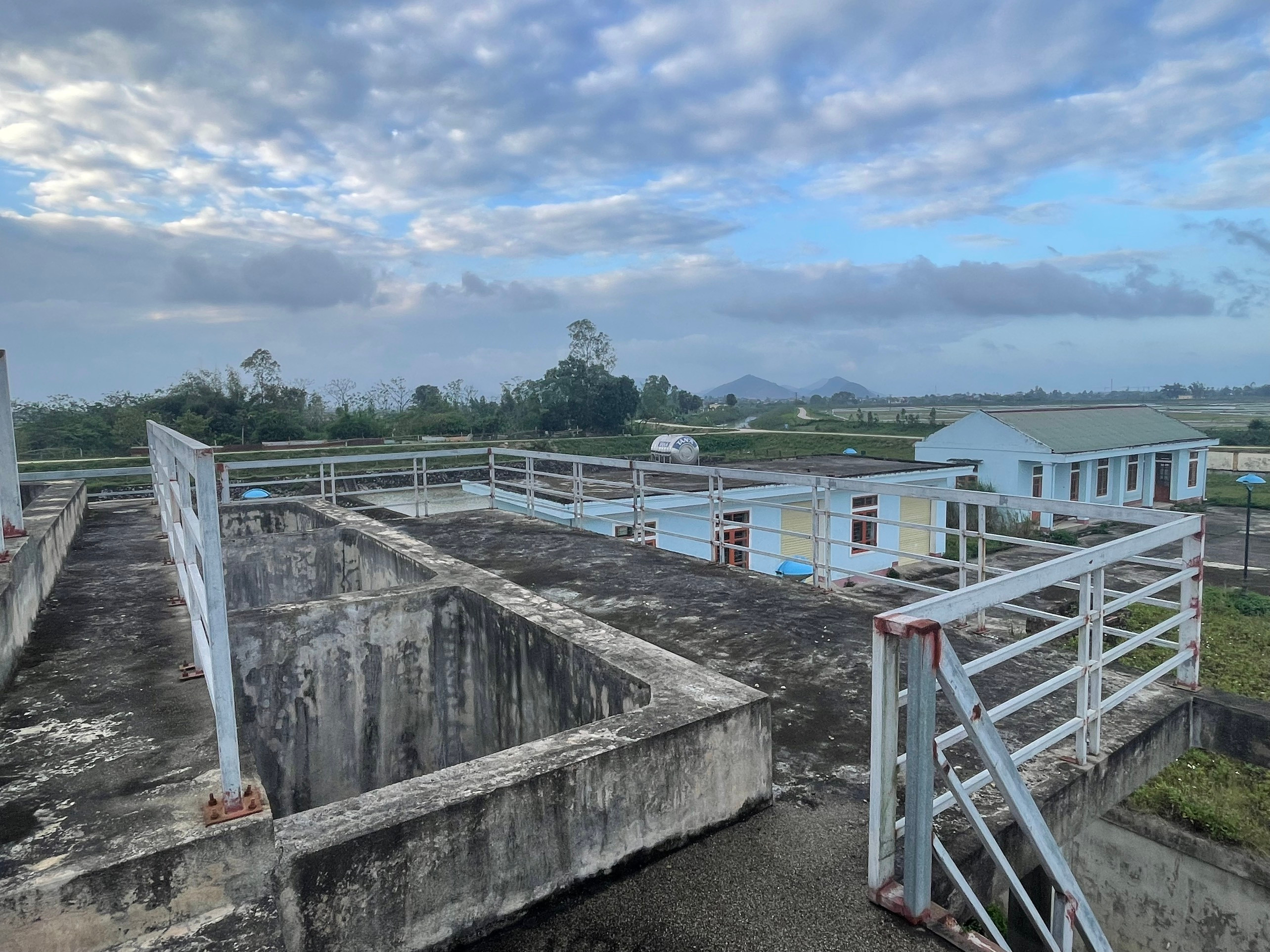
Over the past five years, since the completion of the water treatment plant in Hung Thong commune, the People's Committee of Hung Nguyen district has been struggling to find solutions to get the plant operational. However, the unstable water supply, coupled with the high investment costs for the pipeline, has led to a deadlock. This enormous asset, funded by the State, is lying idle and at risk of becoming abandoned.
Mr. Nguyen Huu Phuc, Chairman of the People's Committee of Hung Thong commune, said that the demand for clean water in the commune is very high. People have been waiting a long time, hoping to have access to clean water after the clean water plant is built in the area, but they have not yet been able to enjoy it.
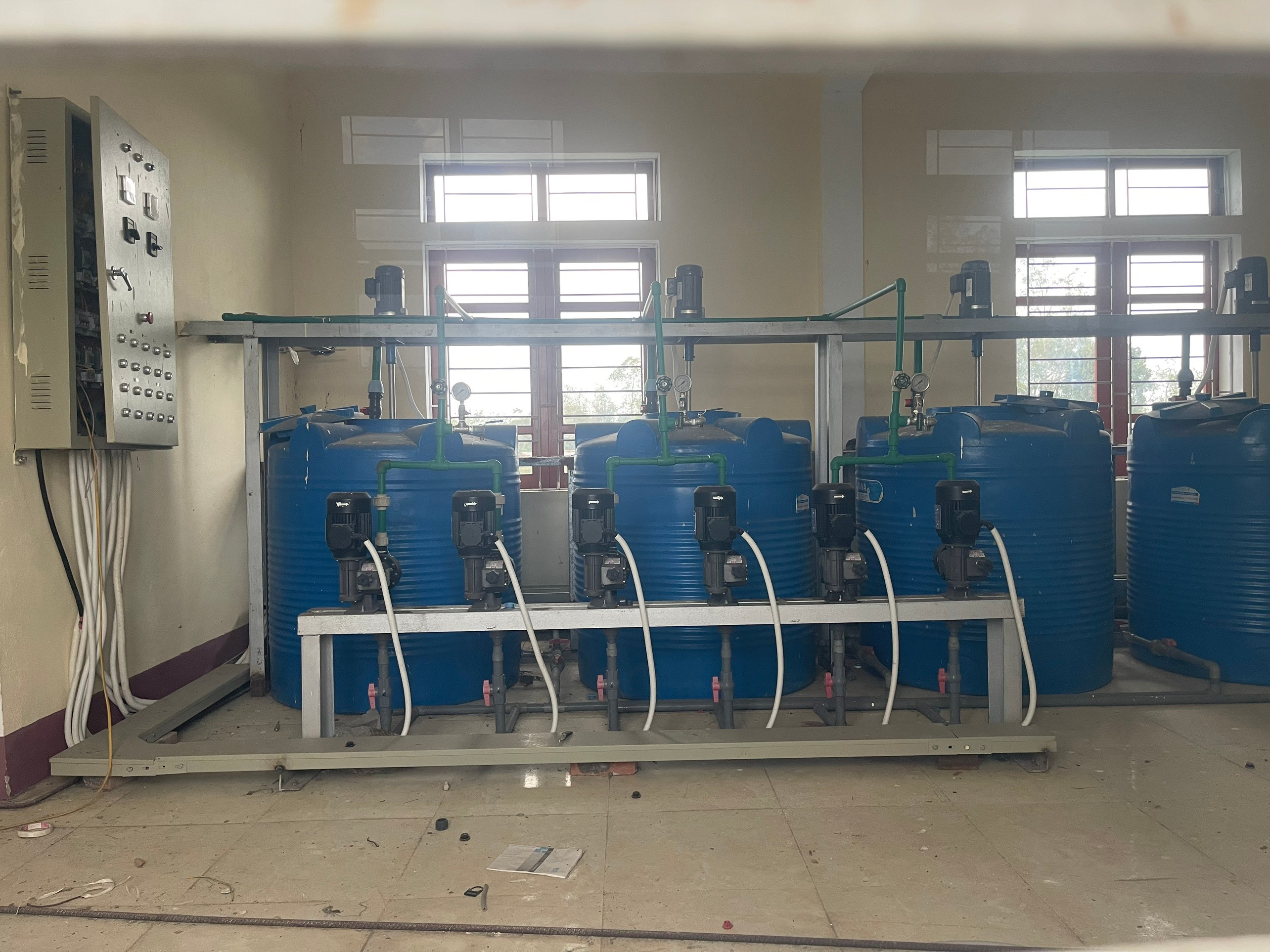
Reportedly, Hung Thong commune recently worked with Nghe An Water Supply Joint Stock Company to discuss with residents about finalizing the plan for installing and connecting pipelines to their homes and the costs each household would have to bear when using clean water, in case a direct clean water pipeline from Hung Nguyen district's water plant to Hung Thong commune needs to be installed. Thus, the Hung Thong water plant is at risk of being decommissioned even though it hasn't been operational for a single day.
For example, in Do Thanh commune (Yen Thanh district), in 2011, the Provincial People's Committee approved an investment project for a domestic water supply system with a total investment of over 28 billion VND to provide clean water for the people in the commune. The allocated budget was 16.8 billion VND and the local counterpart funding was 11.2 billion VND.
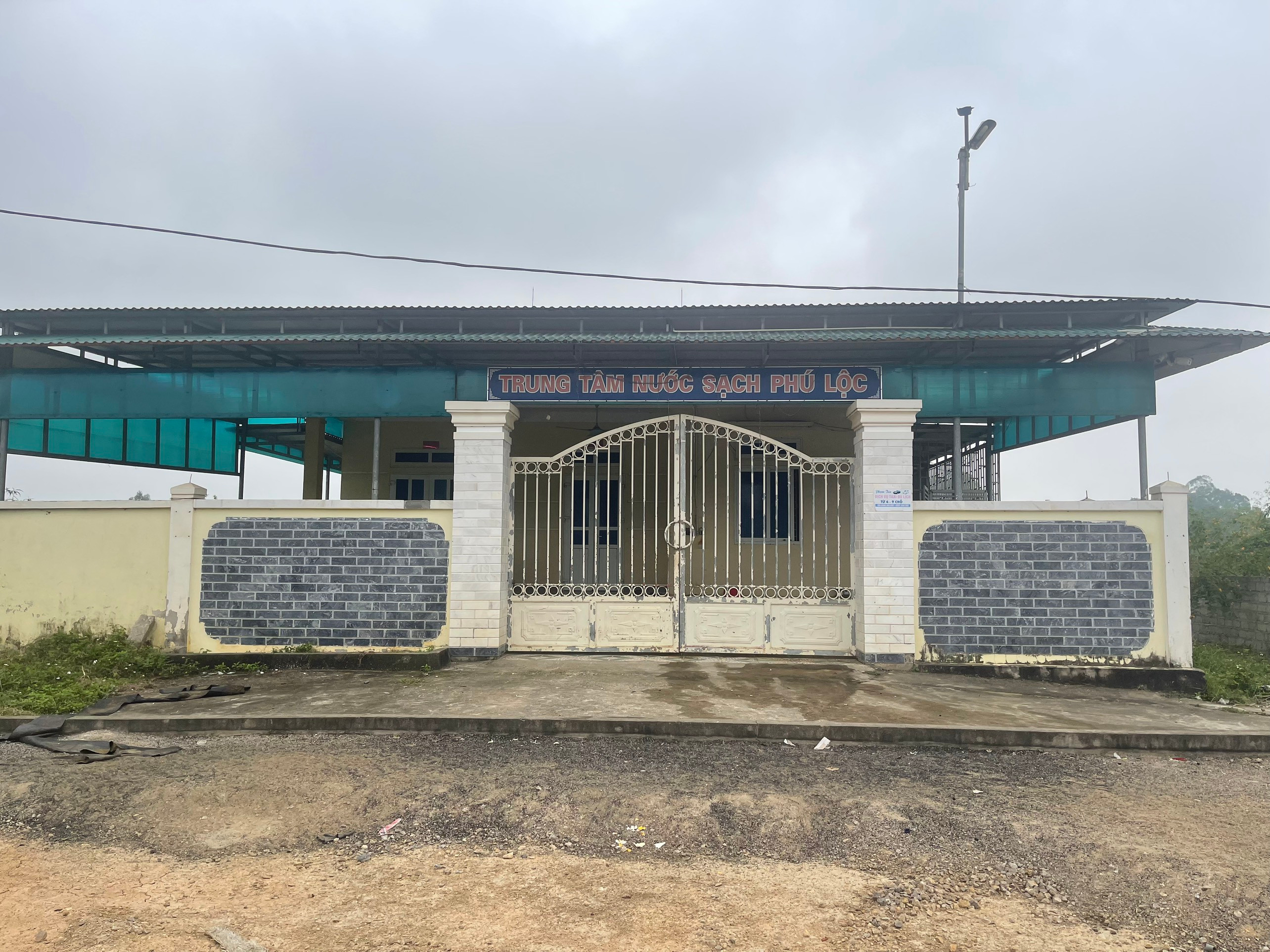
Due to insufficient local matching funds, the commune government mobilized residents to contribute, with each household contributing 2.5 million VND, raising over 5.3 billion VND. However, during implementation, state budget funds were cut, and to date, the project's investor still owes the contractor 15 billion VND. It is noteworthy that this project has long been managed and operated by Phu Loc Co., Ltd., while many hamlets in the commune still lack access to water.
Mr. Luyen Xuan Hue, Chairman of the People's Committee of Do Thanh commune, said: Because the first phase still has outstanding payments to the construction unit, it is uncertain when the second phase of the factory will be implemented. Currently, the commune has completed the final settlement documents for phase 1 and is awaiting further instructions.
A unified solution is needed.
According to statistics, there are currently 561 centralized domestic water supply projects in the province that have been invested in and put into operation, with a total designed capacity of 79,985 m³.3Water is supplied to over 118,000 people day and night. The current extraction capacity is 39,972 m³.3Day and night, it ensures a water supply for approximately 112,000 people and public areas in rural regions. Of these, 492 are gravity-fed systems and 69 are pumped systems.
Out of a total of 561 centralized water supply systems, 249 are managed and operated by the People's Committees of the communes, accounting for 44%. 290 systems are managed by the community (52%), and 22 systems are managed by cooperatives, public service units, and enterprises (4%). Significantly, due to the vast geographical area and the large number of rural centralized water supply systems, mostly located in high mountainous districts, many of which were invested in a long time ago, with some projects dating back to 1999, 2000, 2003, etc., 235 systems have deteriorated and are no longer operational.
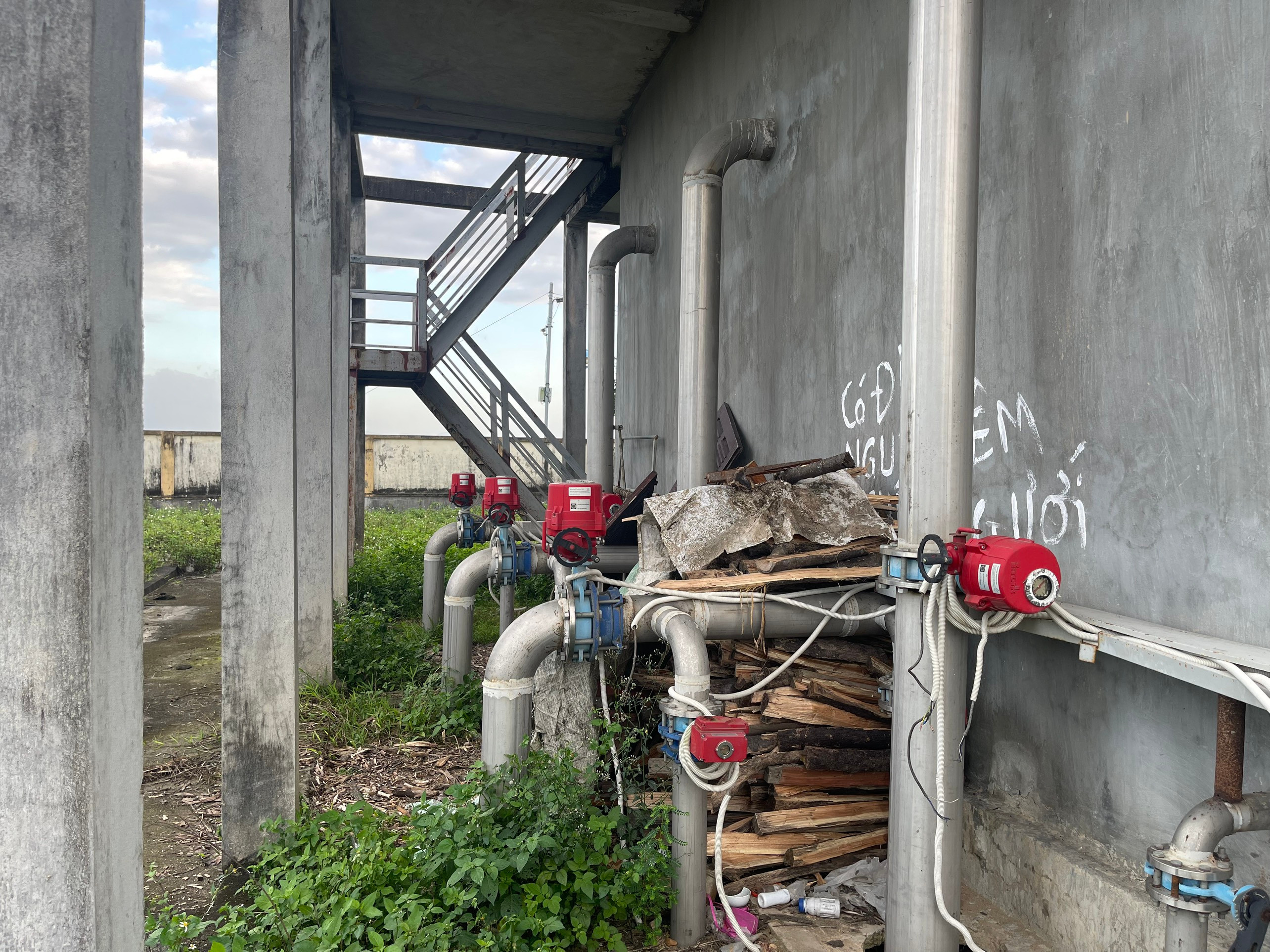
Although recently, under the direction of the Provincial People's Committee, specialized departments and agencies have grasped the number and current status of water supply projects to serve investment, management, exploitation, and operation, in reality, some projects have been invested in for many years; some projects have not been finalized or the final settlement documents do not meet the requirements; the investment capital is diverse from many programs and divided into many phases, making it difficult to establish initial documentation in some localities; the determination of the value of projects when handing them over to enterprises has not been calculated, and handover is based on the actual remaining value; the mechanism for enterprises to take on debt is unclear, thus not attracting many enterprises to take over the projects...
Mr. Lam Duy Thuong, Director of the Center for Rural Water Supply and Sanitation in Nghe An, stated: Nghe An is a province facing many difficulties, and the budget allocated to centralized rural water supply projects is limited. In particular, since 2016, when the National Target Program for Rural Water Supply and Sanitation (2012-2015) ended, the results of rural water supply and sanitation have not met the demand for clean water that meets standards for people in rural areas.
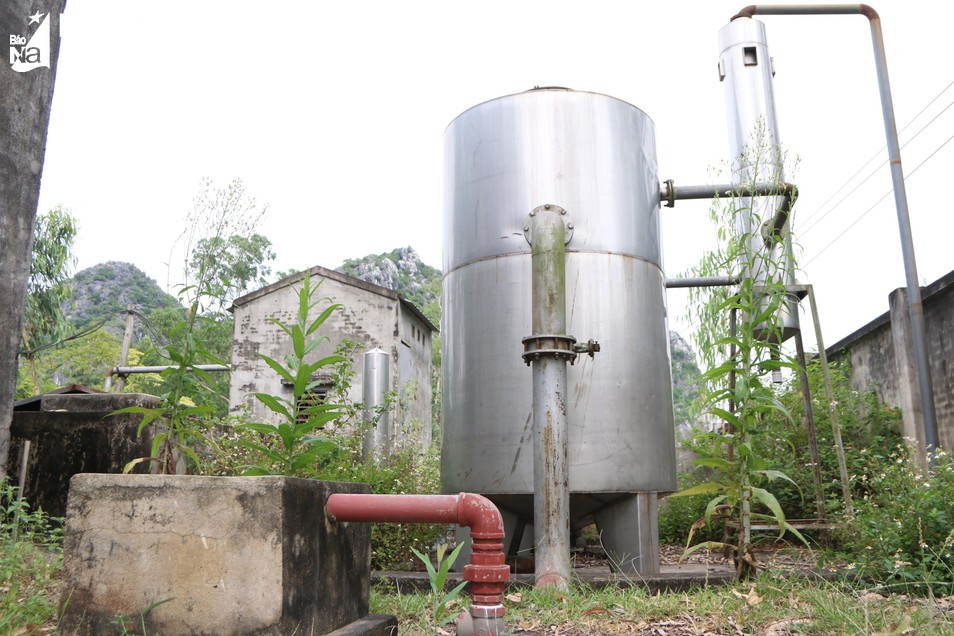
Meanwhile, centralized domestic water supply systems in the province are mainly built in high-altitude mountainous districts with complex terrain and harsh weather conditions, where heavy rains and floods cause damage, leading to rapid deterioration of the structures. Most of these systems do not collect water usage fees (mostly in mountainous communes), or the revenue is insufficient to cover labor, chemicals, and operational costs, resulting in inadequate maintenance and leading to rapid deterioration and damage to many structures.
According to Mr. Thuong, all projects approved by the Provincial People's Committee and assigned to the commune as the investor are the responsibility of the commune for post-investment management and operation. However, the management of records for centralized water supply projects managed by the commune still has many shortcomings. Many projects lack or have incomplete records, making it difficult to determine the remaining value of the project, hindering repair, maintenance, and upkeep of pipelines, and significantly affecting the exploitation, management, and operation of the project.
Currently, the State is encouraging social mobilization to diversify resources for maintaining, developing, and exploiting clean water infrastructure assets. However, any locality wishing to collaborate or cooperate with external businesses must obtain the State's approval.
“According to Decree No. 43/2022/ND-CP dated June 24, 2022, of the Government regulating the management, use, and exploitation of clean water infrastructure assets, the handover of clean water infrastructure assets must comply with State regulations. However, as mentioned above, currently, assessing the remaining asset values, depreciated asset values, and the value of capital invested by businesses and individuals is still difficult. This requires a comprehensive solution in the handover, acceptance, and attraction of social investment to continue managing, operating, and maximizing the effectiveness of the invested projects,” Mr. Thuong emphasized.


