
From abandoned farms to billion-dollar fish ponds in Minh Chau.
Once a 15-hectare, underperforming farm with dilapidated ponds and overgrown weeds in Minh Chau commune, the area is now teeming with tilapia, with traders from the North arriving in refrigerated trucks to purchase them. Behind this transformation lies the bold decision of two local residents who leased the abandoned farm to try their hand at a new tilapia farming model.
Qthe decision to "take a gamble"
.jpg)
In late May, the 15-hectare farm in Minh Chau commune bustled with the sounds of people pulling in their nets. Under the shimmering sunlight on the pond's surface, groups of workers swiftly gathered their catch, the spiny-headed catfish thrashing about, their silver scales glistening in the ripples. On the shore, refrigerated trucks belonging to traders from northern provinces were already parked, waiting to weigh the catch. Each time the nets were pulled in, the workers quickly sorted and loaded the fish onto trucks for immediate transport and sale that day.
It's hard to imagine that this pond area was once abandoned, overgrown with weeds, and many facilities were dilapidated after a long period of inefficient business operations. But for Tran Hien Nhon (born in 1989) and Le Trong Nhan (born in 1985), both residing in Ha Dong hamlet, Minh Chau commune, it was an opportunity. After researching the area and seeing that the farm had a large area and a favorable water source, the two brothers decided to rent it to invest in raising spiny catfish.
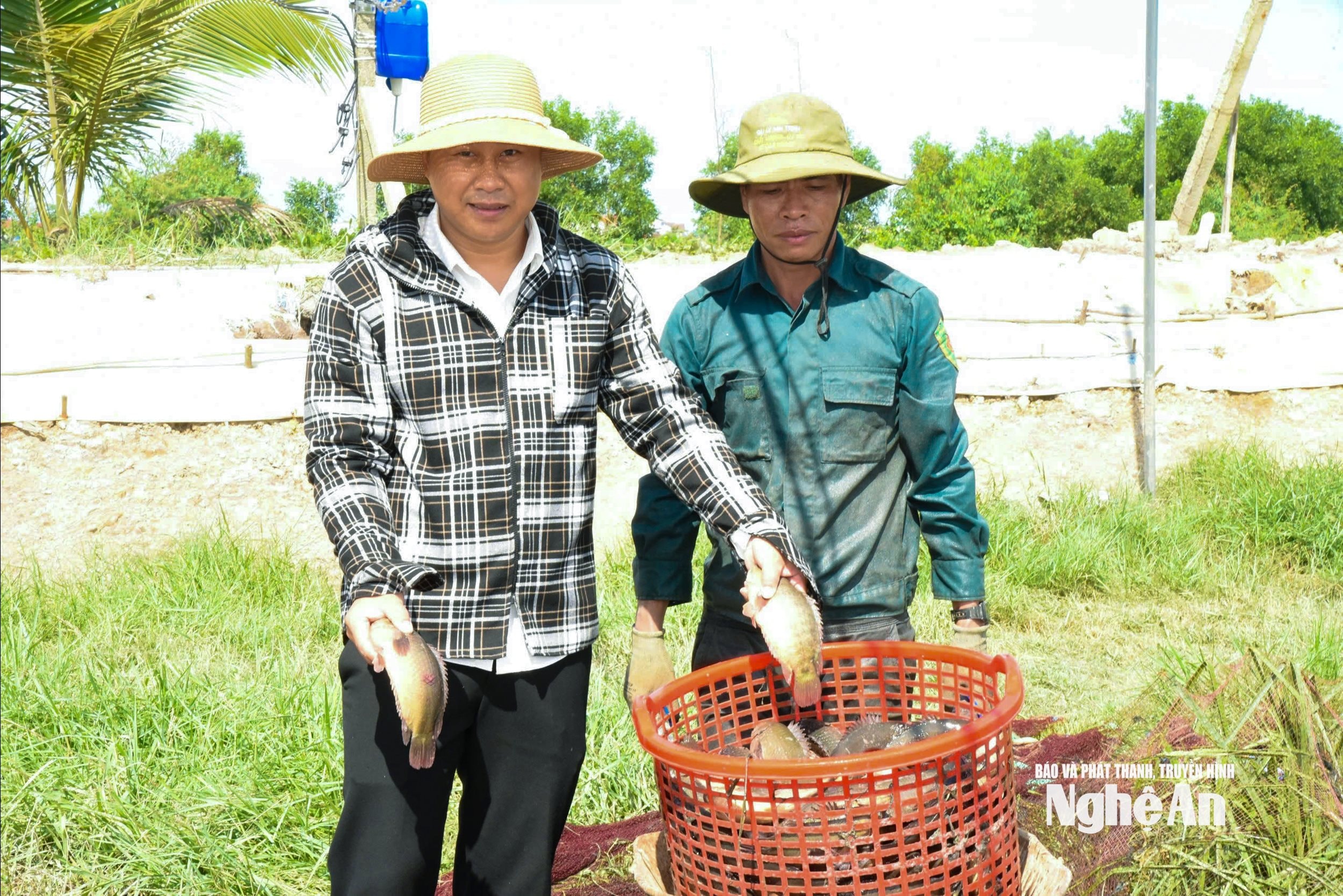
Before returning to their hometown to start their own businesses, Le Trong Nhan spent many years working abroad as a migrant worker, while Tran Hien Nhon worked as a credit officer. One was accustomed to the daily grind of earning a living far from home, the other to office work; neither had any prior experience in aquaculture. However, the idea of starting a business in fish farming began to take shape after field trips in 2024, when they sought out successful farming models to learn from.
After surveying various farming models, they both realized that the spiny-headed catfish had many advantages such as a short rearing time, relatively stable market demand, and higher economic value than some traditional fish species, so they decided to choose it. However, this is still a relatively new fish species in the area, so the pressure is considerable, especially since both of them are newcomers to the field.
At first, I was worried because I had never worked in aquaculture before, and I was raising a new species with a large initial investment, so there was a lot of pressure. Some knowledge seemed simple at first, but in practice, it turned out to be not easy; I had to learn everything from scratch.
Mr. Nhon shared
.jpg)
When they started renovating the farm, they practically had to start from scratch. The ponds were dredged, the banks reinforced, and the water supply and drainage systems were upgraded. Along with the cost of fry and feed, the total initial investment was approximately 2 billion VND. To ensure smooth operation, the two brothers clearly divided the responsibilities: one person stayed at the ponds, monitoring the techniques and water sources; the other was in charge of management and connecting with the market. There were times when the fish grew slowly, costs increased, and pressure weighed heavily, but they always chose to sit down and discuss solutions together.
Min a new business direction in the low-lying area
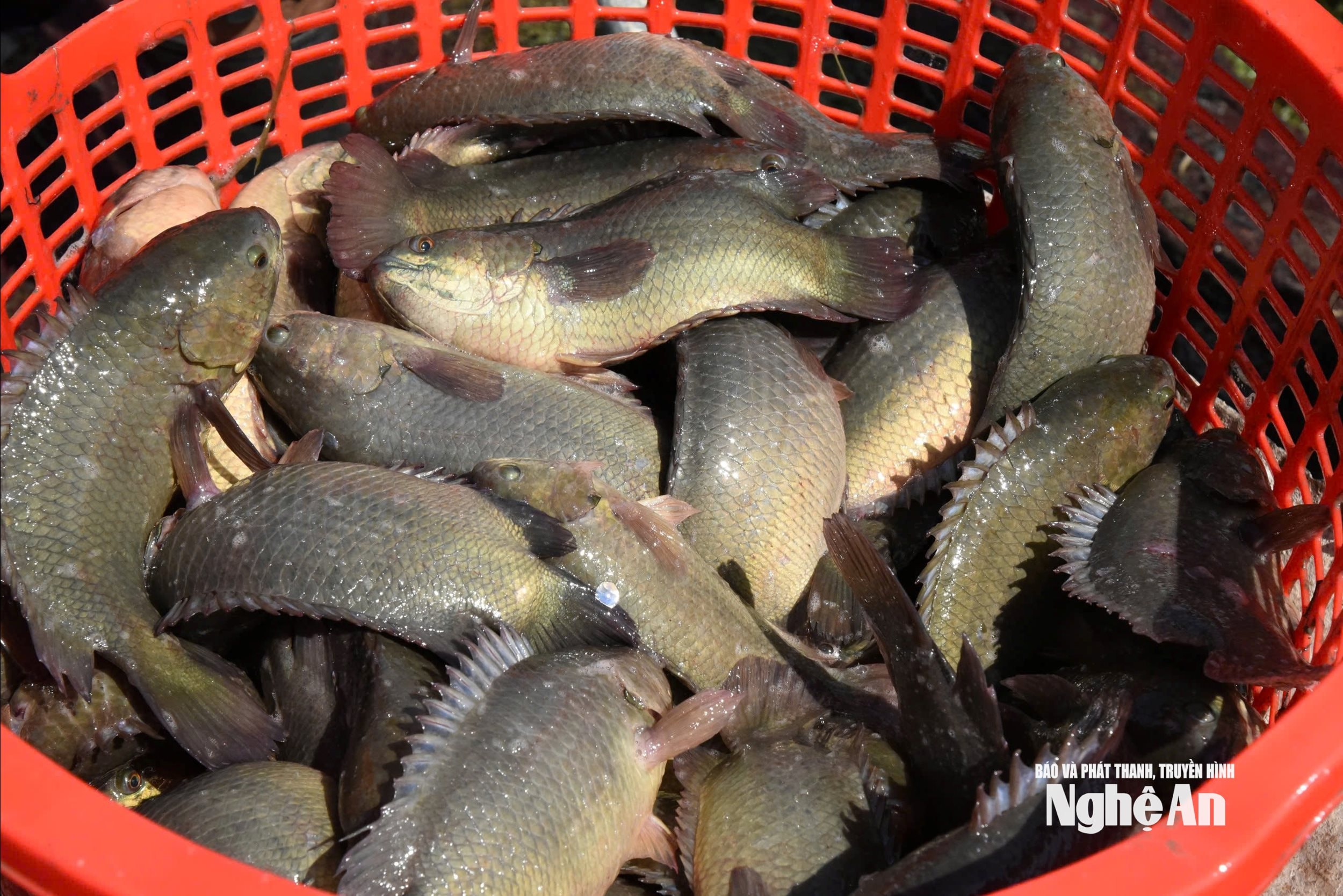
Raising spiny catfish isn't overly difficult, but it's not something you can just rely on luck. The biggest headaches for the two farm owners right now are the unpredictable weather, rising feed costs, and maintaining a stable water environment. Because of this, Mr. Nhon and Mr. Nhan have had to adjust their farming process to be more rigorous, especially in water quality control and disease prevention.
To minimize risks, water from the Nha Le canal is channeled into a sedimentation and filtration system before being supplied to the rearing ponds, allowing for proactive water changes and disease control. The advantage of a large area also allows the farm to divide into multiple ponds according to the fish's developmental stages for easier management, and to implement staggered farming to reduce pressure on sales. According to the farm owner's experience, fingerlings cost around 1,000 VND/each, and can be sold after more than 3 months of rearing; if a stable water source is maintained and lime is applied periodically to prevent disease, the survival rate reaches over 70%.
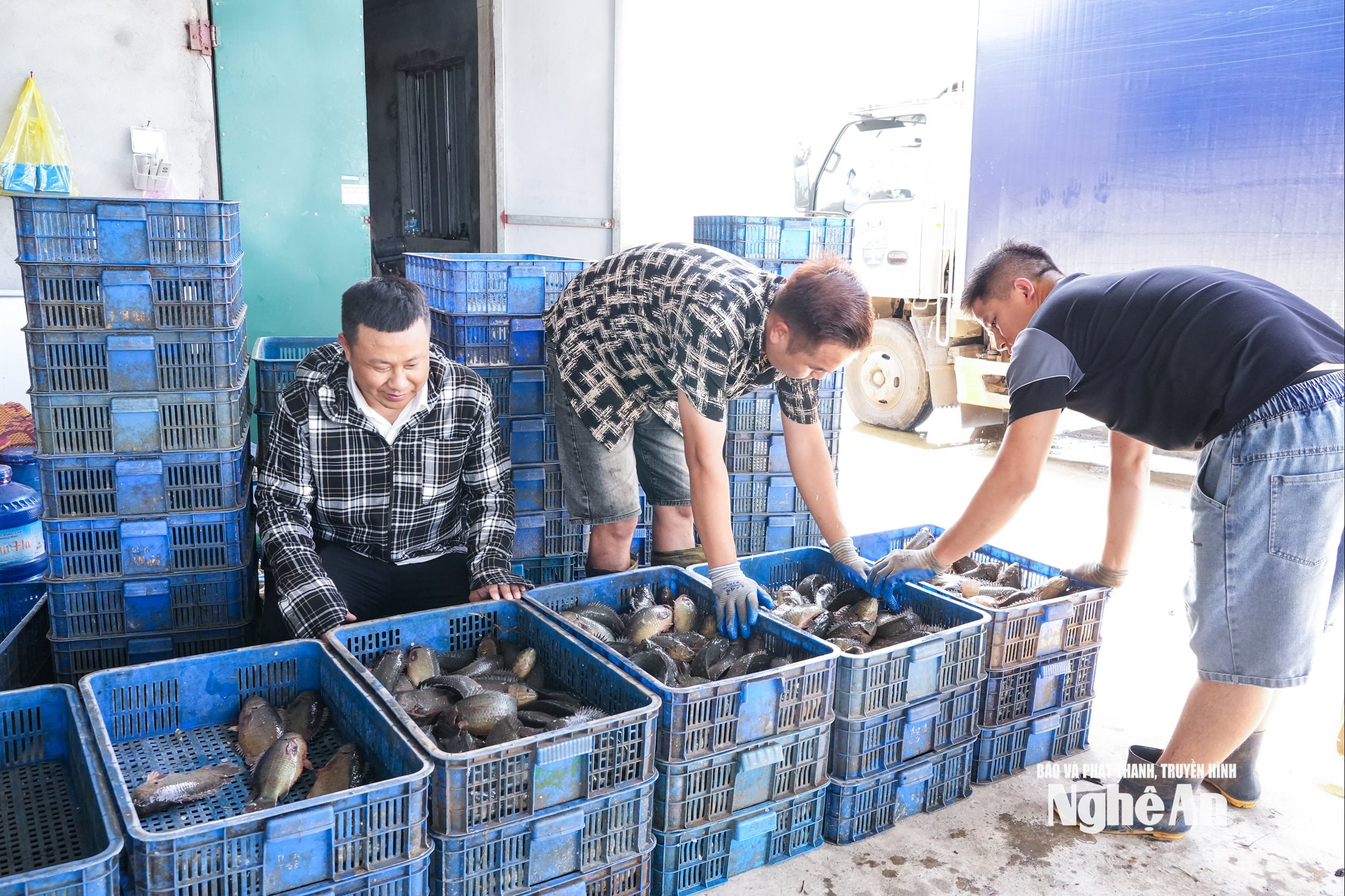
After more than 3 months of raising the fish, the first batches have started to be brought ashore. The fish have reached an average weight of 4-5 fish per kilogram, with a yield of about 70 tons of marketable fish per batch. At this time, grade 1 fish are being purchased by traders from the North at around 40,000 VND/kg. Although prices still depend on the market, the model has initially brought in a promising source of income and created regular jobs for 4 local workers.
Being present at the farm on harvest day, it's easy to sense the joy clearly visible on the faces of the young owners as trucks line up to weigh the fish. After months of anxiety due to the new breed, large capital investment, and pressure to find buyers, the moment of seeing the boat full of fish is perhaps the most well-deserved reward for them.
Evaluating the model, Mr. Nguyen Viet Hung - Chairman of the Provincial Farmers' Association - said that the spiny-headed catfish has many advantages, inheriting good characteristics from both common catfish and square-headed catfish, with a fast growth rate, delicious meat quality, and is favored by the market. According to Mr. Hung, along with expanding the scale, it is necessary to strengthen connections with markets, provide technical support, and access loans to ensure the sustainable development of the model.
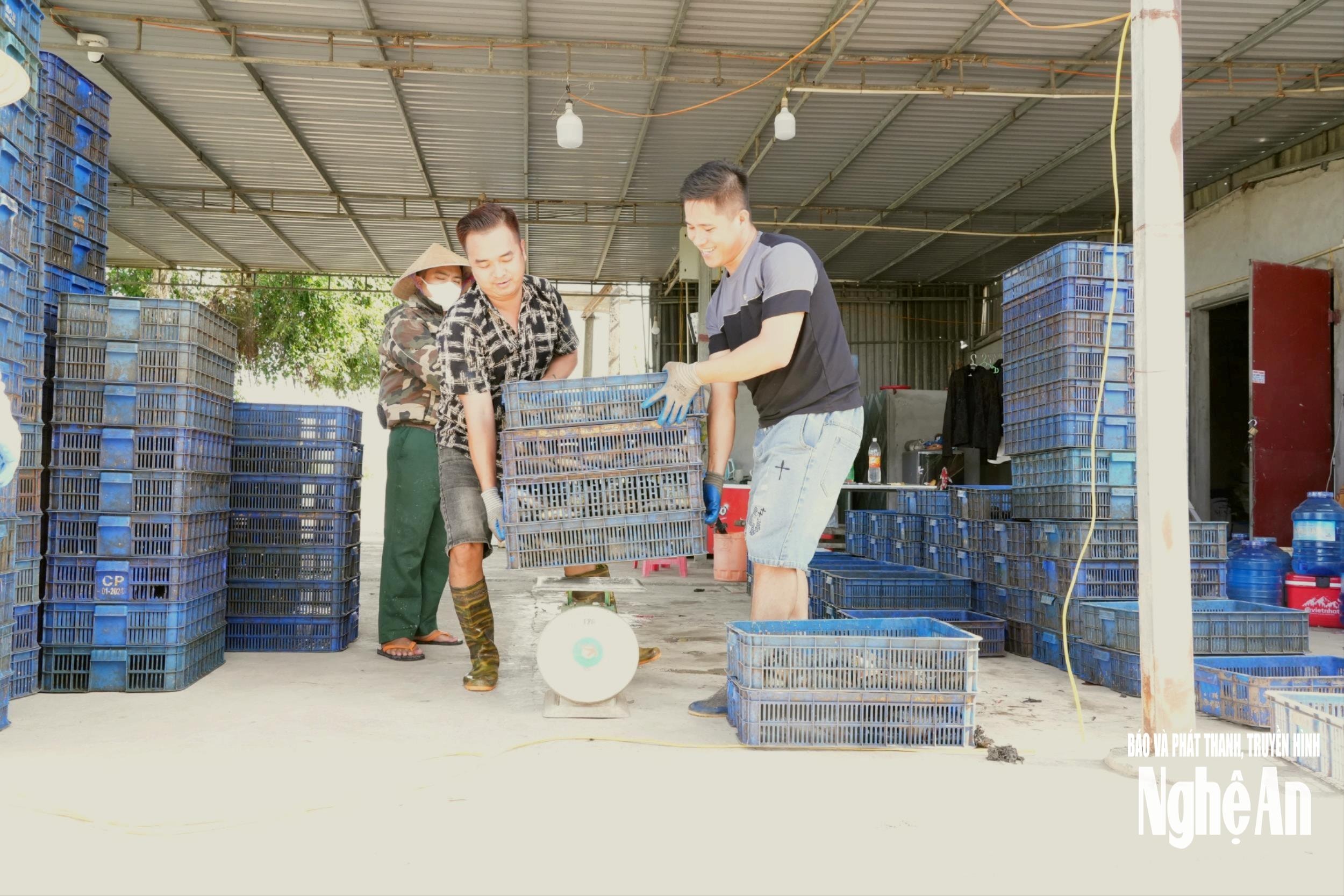
From once-abandoned ponds, now lined with refrigerated trucks coming to buy fish, for Nhon and Nhan, this journey not only transformed a low-lying area but also tells the story of young people who dared to return to their hometowns, starting with new opportunities.


