
From the cases of Dinh Bac and Ho Van Cuong, we can gain a proper understanding of player transfers.
(Baonghean.vn) - The transfer of striker Nguyen Dinh Bac to Hanoi FC seemed like a success but then fell through at the last minute. What were the reasons behind this, and how should we properly understand football player transfers in Vietnam?
First, it must be stated that striker Dinh Bac is a talented young player in Vietnamese football. At the age of 20, Dinh Bac has performed impressively for the Vietnamese national team and has naturally attracted the attention of both domestic and international clubs.
Prior to the internal disciplinary action, Dinh Bac received offers from a Japanese team and another V.League team, not just Hanoi FC. Subsequently, Dinh Bac moved to Hanoi FC, making his debut and training with the agreement of Quang Nam FC. Specifically, Hanoi FC announced they were loaning Dinh Bac for 1.5 seasons.
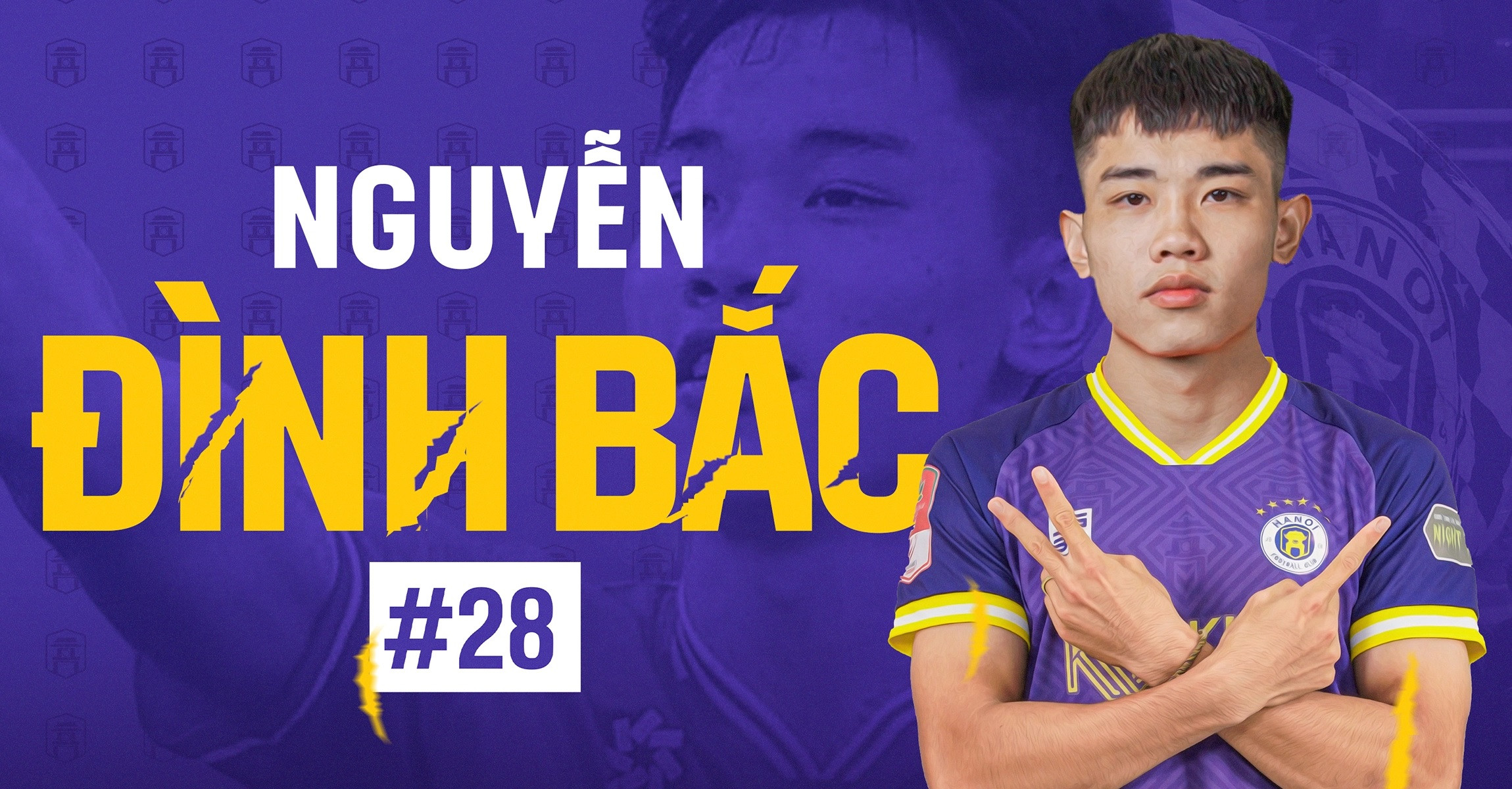
However, Dinh Bac did not play in the National Cup match between Hanoi and Hong Linh Ha Tinh because he lacked the legal basis for the Vietnam Football Federation to approve his participation in the new team. Immediately afterwards, Hanoi FC had to clarify that they did not loan Dinh Bac because he was unsuitable.
According to current regulations and the Professional Football Regulations, Dinh Bac still has 6 years remaining on his contract with the Quang Nam team. During those 6 years, Dinh Bac also has a training contract, at least until he is 21 years old, and a professional contract lasting a maximum of 3 years (according to the Labor Law).
If Dinh Bac is already 25 years old and has completed his contract with Quang Nam club, then his move to any other team would be unremarkable. It would be a free transfer, similar to the case of Song Lam Nghe An players leaving after turning 25 and completing both their training and professional contracts. In that case, Dinh Bac would receive the full signing bonus from his new club.
However, Đình Bắc is only 19 years old and still has both a training contract and a professional contract with Quảng Nam club. If he wants to play for another team, there are only two options. One is for Đình Bắc to play for Hanoi club on loan. According to our sources, Quảng Nam club has agreed to let Đình Bắc play for Hanoi for 1.5 seasons free of charge.
Secondly, Quang Nam FC could sell him outright, with a transfer fee included in contract negotiations with Hanoi FC. This is a common transfer method worldwide. However, both scenarios require the player's consent. That is, in addition to the loan agreement between Quang Nam FC and Hanoi FC, a separate contract between Dinh Bac and Hanoi FC is also needed.
With Dinh Bac changing his mind and refusing to join Hanoi FC for only half a season instead of a 1.5-year contract, despite Quang Nam FC giving the green light, the deal fell through. Therefore, it can be understood that if Hanoi FC wants to acquire Dinh Bac long-term, they will have to pay a transfer fee to Quang Nam FC and negotiate with Dinh Bac personally to succeed.
At the same time, FIFA also stipulates that, for free transfers, when a player has more than six months left on their contract with a new club, the club is not allowed to contact or negotiate with the player without the written consent of the current club. Unfortunately, the situation of players being contacted illegally still occurs, and somehow, from a player with obligations, they become a free agent. This is unless there is an agreement to terminate the contract without compensation between the player and the current club.
Currently, the majority of transfers in Vietnam are free transfers, putting clubs that focus on youth development at a disadvantage. These clubs lose players and are not entitled to the solidarity allowance, which is the reimbursement for player training costs and the principle of distributing solidarity allowances as stipulated in Article 28 of these Regulations.
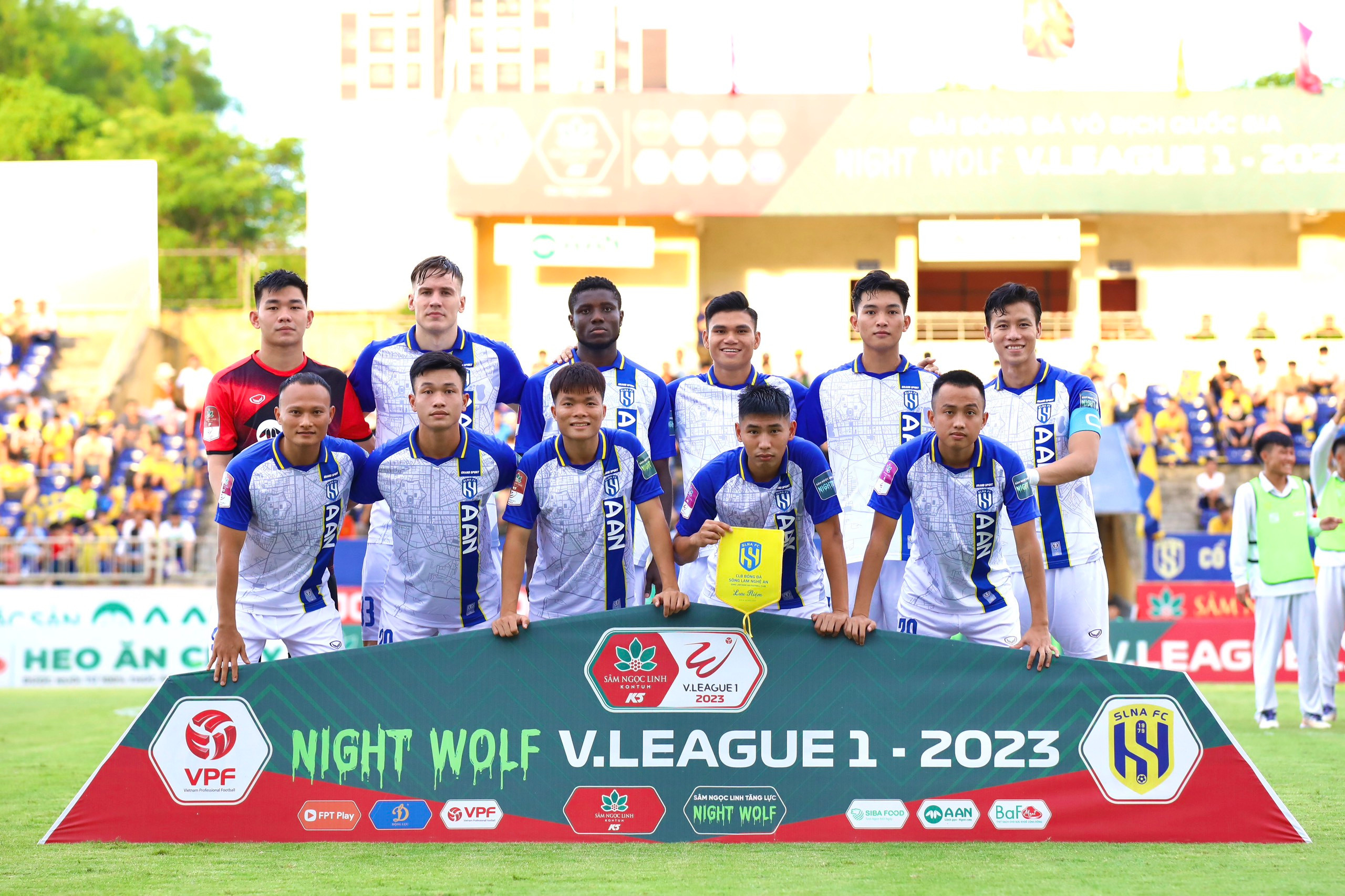
In the V.League, Song Lam Nghe An is a prime example of "talent drain." All of Song Lam Nghe An's players leave on free transfers. According to statistics, the team from Nghe An has never earned a single penny from player transfers. All the signing bonuses received by players from new clubs go to the players themselves.
In the case of Ho Van Cuong, this player joined Hanoi Police FC on loan, while Song Lam Nghe An FC borrowed a foreign player in return. This is a player exchange, a loan, and cannot yet be called a paid transfer or sale. Upon completion of the loan agreement, Ho Van Cuong will remain under contract with Song Lam Nghe An FC.
In short, besides implementing regulations on reimbursement of player training costs and the principle of solidarity distribution, the Vietnam Football Federation needs to have mechanisms and measures to protect clubs and youth training centers that invest in youth development, to prevent the "brain drain" of talent from those teams, encourage youth training, and create a pool of players. At the same time, this should provide a primary source of revenue for those teams through transfers. That is what truly constitutes professional football.
Article 26, Clause 1 of the Professional Football Regulations states: 1. A player transfer is an agreement between two clubs and a player at the time the player's professional football employment contract is still in effect, whereby the transferring party is the club with the player's employment contract who transfers the right to sign another employment contract with the player to the receiving party, which is the new club. The receiving club must pay the transferring club the agreed-upon fee. The transfer of players under 25 years of age between clubs must comply with the regulations on reimbursement of player training costs and the principle of solidarity distribution as stipulated in Article 28 of these Regulations. Transfers involving foreign players shall be conducted in accordance with the FIFA Regulations on the Legal Status and Transfer of Players.


