
Why shouldn't you eat fertilized duck eggs at night?
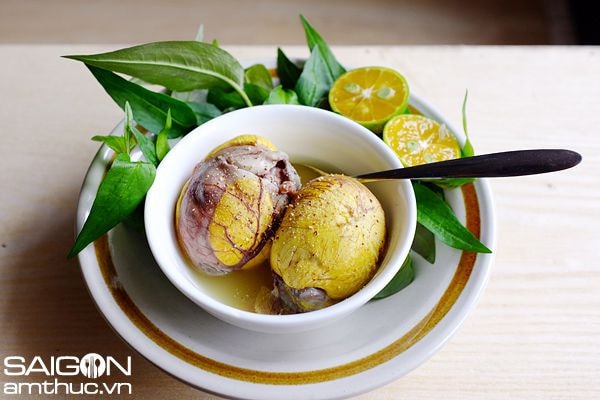
Balut (fertilized duck egg) is very nutritious, but not everyone knows how to eat it properly and who shouldn't. Experts will offer advice to help you eat this dish correctly.
 |
Avoid eating in the evening.
According to General Practitioner Bui Hong Minh - Chairman of the Ba Dinh Traditional Medicine Association, both in traditional and Western medicine, fertilized duck eggs are a very nutritious food. One fertilized duck egg contains 182 kcal of energy, 13.6 grams of protein, 12.4 grams of lipids, 82 mg of calcium, 212 grams of phosphorus, and 600 mg of cholesterol. In addition, it contains a lot of beta-carotene, vitamins A, B, C, iron, etc.
Therefore, fertilized duck eggs are considered a medicinal food that nourishes the blood, improves intelligence, promotes rapid physical growth, and enhances sexual function. However, this dish is difficult to digest due to its high protein and cholesterol content. Traditional medicine practitioners advise against eating it in the evening, as it can cause discomfort, bloating, and harm the digestive system. The best time to eat this dish is in the morning, but it should not be eaten too frequently or in large quantities at once.
Who shouldn't eat it?
According to traditional medicine practitioner Bui Hong Minh, not everyone can eat fertilized duck eggs, even though it is a nutritious and appealing dish. Children and the elderly are the two groups that need to be most cautious.
Regarding this, Dr. Ho Thu Mai, from the Nutrition Department at Vinmec International General Hospital, recommends: “In my opinion, children under 5 years old should not eat fertilized duck eggs because their digestive systems are not yet fully developed, easily leading to bloating, digestive disorders, and are very harmful to their health. Children 5 years and older should only eat half an egg at a time, 1-2 times a week is sufficient. Eating fertilized eggs frequently can also lead to excess vitamin A, causing jaundice, peeling of the epidermis, and affecting bone formation, preventing children from developing fully.”
In addition, obese people, the elderly, and patients with high blood pressure, diabetes, dyslipidemia, and cardiovascular disease should also limit their consumption of this dish. Healthy adults should ideally only eat 2 fertilized duck eggs per week.
Why should it be eaten with Vietnamese coriander?
Explaining why people often eat fertilized duck eggs with ginger and Vietnamese coriander, traditional medicine practitioner Bui Hong Minh said that this harmonious combination brings balance to the body. Vietnamese coriander and ginger have a pungent, warm nature, warming the stomach, preventing bloating, disinfecting, and dispelling cold. Therefore, they help combat cold stomach, bloating, and slow digestion.
In particular, because of the aphrodisiac properties of fertilized duck eggs, people often eat them with Vietnamese coriander to reduce the excitement after consumption.
"Both men and women who eat a lot of Vietnamese coriander (rau răm) frequently may experience decreased libido, men may have reduced erectile function and their blood may dry up. Women may experience menstrual irregularities. For pregnant women, this herb can even cause miscarriage. Therefore, pregnant women should not eat fertilized duck eggs with Vietnamese coriander and ginger," traditional medicine practitioner Hong Minh warned.
According to Zing.vn
| RELATED NEWS |
|---|


