
Why do many Vietnamese people lack calcium despite eating shrimp and crab?
The calcium content in 100g of freshwater crab is 5,040mg, while in 100g of small shrimp it is 910mg. However, this is only true if the shrimp are eaten whole with the shell, the fish are eaten whole with the bones, and in the case of freshwater crabs, the calcium is mainly found in the shell and carapace.
Associate Professor, Doctor Le Bach Mai, former Deputy Director of the National Institute of Nutrition, said that in recent years, our meals have changed significantly towards being more balanced and complete, meeting the needs of Vietnamese people.
This includes increasing consumption of meat and fat-related products, and decreasing consumption of rice, potatoes, etc. However, the diet trend towards increased protein intake is accompanied by increased phosphorus intake, not calcium, and primarily focuses on increasing animal protein.
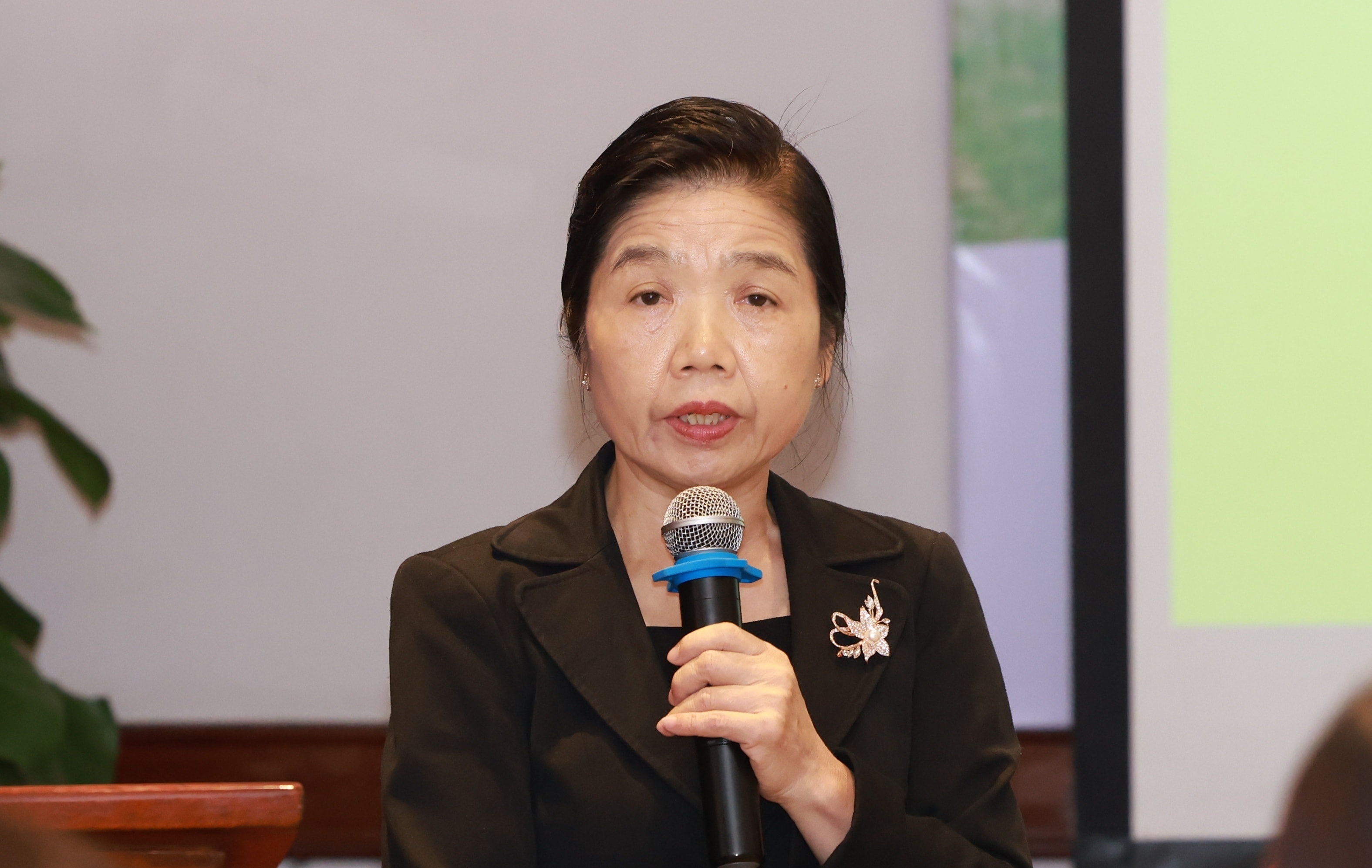
Assoc. Prof. Dr. Le Bach Mai, former Deputy Director of the National Institute of Nutrition. Photo: Organizing Committee.
In fact, besides malnutrition and overweight/obesity, our country also faces a third problem: micronutrient deficiencies, including low calcium intake.
"The average milk intake of Vietnamese people has increased, even among adults, but it still doesn't live up to its importance in providing calcium in the daily diet. Adequate calcium intake directly affects bone structure, bone health, and height growth in children during their growth years," Associate Professor Mai analyzed.
The calcium intake of Vietnamese people only meets 50% of the recommended daily calcium requirement. Meanwhile, the low calcium/phosphorus ratio (< 0.8) in the diet reduces absorption and affects calcium metabolism.
According to Associate Professor Mai, the average Vietnamese person currently consumes about 74ml of milk per day, while the recommended intake for adults is 3 servings of milk and dairy products per day. One serving of milk is equivalent to 15g of cheese (1 slice of cheese), 100ml of yogurt (1 container of yogurt), or 100ml of liquid milk (1 small glass of milk).
"We can get calcium from eating small shrimp, but only if we eat the shells; we can eat small fish with the bones. Similarly, with crabs, calcium is mainly in the shell and underside; if you remove them, the calcium content is much lower. Meanwhile, milk is not yet considered a true food in the daily diet of Vietnamese people, resulting in calcium deficiency," Associate Professor Mai analyzed.
In addition, when providing calcium, we should also ensure we get vitamin D through sun exposure and increased physical activity.
Associate Professor Tran Quang Trung, Chairman of the Vietnam Dairy Association, added that before the Covid-19 pandemic, the dairy industry experienced double-digit growth. In 2023 alone, the country's fresh milk production slowed somewhat due to the post-Covid-19 economic impact, estimated at over 1,800 million liters, a 7.5% increase, while powdered milk production reached 154,800 tons, a slight 0.1% increase compared to 2022.
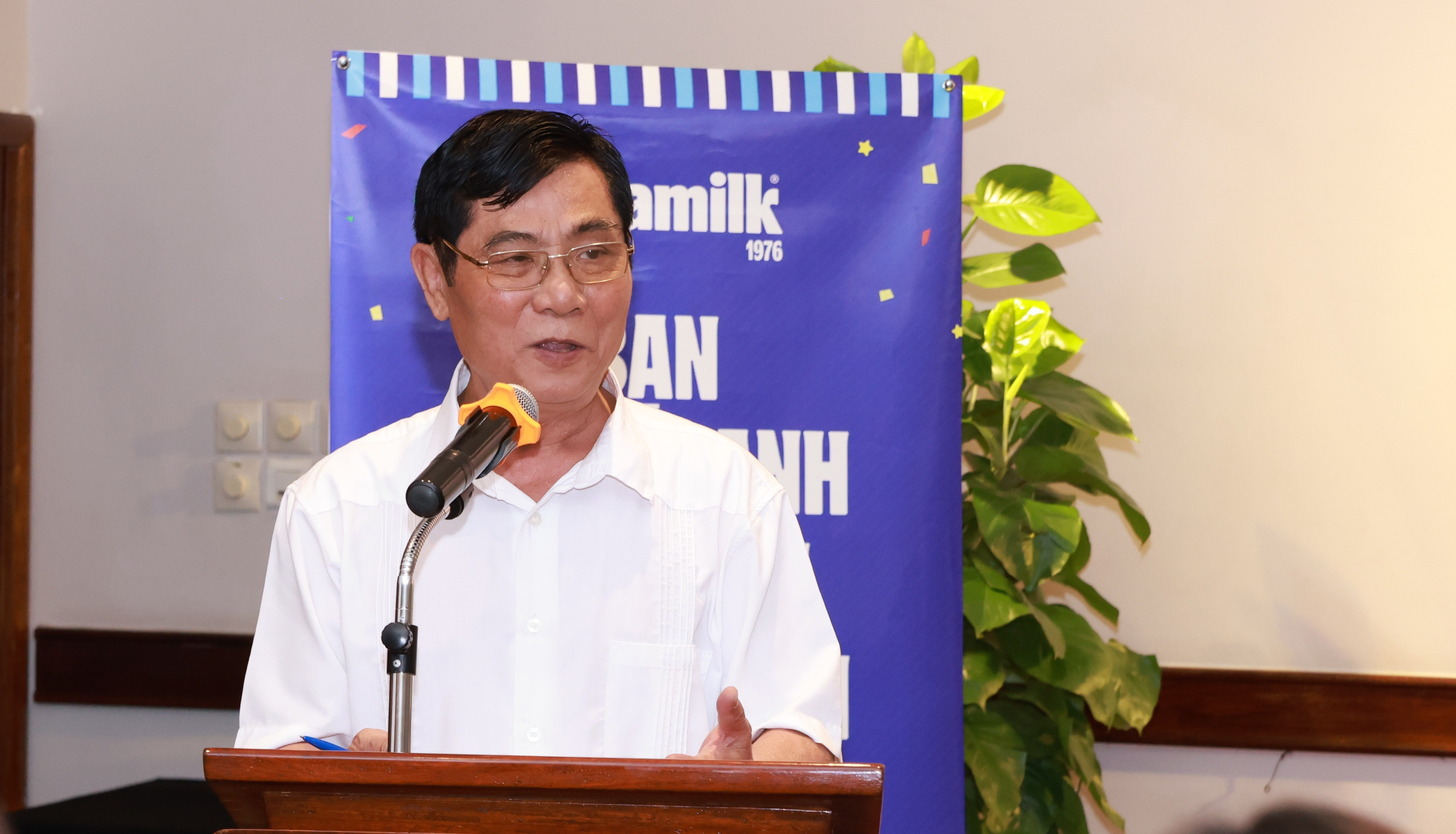
Assoc. Prof. Dr. Tran Quang Trung, Chairman of the Vietnam Dairy Association. Photo: Organizing Committee.
However, according to Mr. Trung, domestic raw milk sources only meet about 40% of consumption needs. Meanwhile, milk consumption among Vietnamese people remains very low compared to neighboring countries.
Statistics show that, on average, each Vietnamese person consumes only about 26-28 liters per year, while Thailand consumes 35 liters/person, Singapore 45 liters/person, European countries up to 80-100 liters/person, and the Netherlands 300 liters/person...
"This shows that the dairy industry in Vietnam still has a lot of potential for development. Milk consumption will continue to increase in the next few years. We are also proud that Vietnamese dairy products have been exported to nearly 60 countries and territories."
"This has been achieved thanks to our improved modern technology, sustainable development, green economy, standardized farms and factories, and long-term focus on recycling packaging and waste...", Mr. Trung said.


