
Aspiration pneumonia in the elderly
People with swallowing disorders should also pay attention to the following: rest for 30 minutes before eating; sit while eating; eat small bites of soft, suitable food; avoid talking, watching TV, reading newspapers, etc.
Pneumonia caused by swallowing disorders is a condition where the lungs become inflamed due to the aspiration of "foreign" substances from the pharynx or from the stomach-esophagus refluxing into the lungs. These "foreign" substances can include saliva, mucus, pharyngeal secretions, food, drinks, and gastric juices (if the patient has reflux syndrome).
Pneumonia caused byswallowing disordersIt is divided into two main groups: pneumonia with lesions mainly due to gastric reflux, also known as Mendelson's syndrome, and pneumonia caused by aspiration of food, pharyngeal secretions, etc., often with accompanying bacterial infection (this type of pneumonia is more common in the elderly).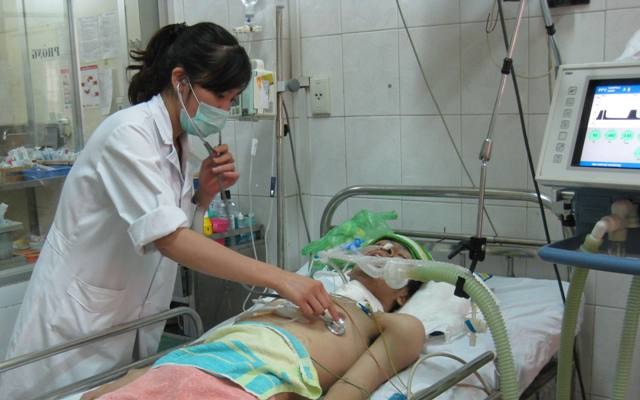
Choking while eating or drinking can easily lead to aspiration pneumonia in the elderly.
What is the cause?PneumoniaSwallowing disorders are primarily caused by foreign objects such as saliva, food particles, mucus, and refluxed gastric juices entering the lungs. These foreign objects trigger inflammatory reactions and create a breeding ground for bacteria to invade the lungs. Infection from choking on food, saliva, or pharyngeal secretions is almost certain because saliva and pharyngeal secretions already contain a significant number of bacteria, and food and drink are not entirely sterile. Furthermore, once in the lungs, these foreign objects damage the lungs through inflammatory reactions, creating ideal conditions for bacterial growth.
Be alert for symptoms of coughing and choking.
Who is susceptible to pneumonia caused by swallowing disorders? Individuals susceptible to pneumonia due to swallowing disorders are those with underlying causes of swallowing problems. Many factors contribute to swallowing disorders in the elderly, such as neuromuscular damage from cerebral infarction, cerebral hemorrhage, Parkinson's disease, amyotrophic lateral sclerosis (ALS), multiple myeloma, myasthenia gravis, and dementia. Other causes include thyroid enlargement, cervical spondylosis, Zenker's diverticulum, and cancer. Psychological disorders, connective tissue diseases (polymyositis, muscular dystrophy, etc.), sequelae from pharyngeal surgery, radiation therapy, and medications can also cause swallowing disorders in the elderly. Patients receiving nasogastric or jejunal tube feeding via the nose or mouth, and those with or currently intubated or with poorly cared-for endotracheal tubes or tracheostomy tubes, are also at increased risk of aspiration pneumonia due to swallowing disorders and gastroesophageal reflux. |
Manifestations of pneumonia due to swallowing disorders include symptoms ranging from mild to severe, such as frequent coughing. Coughing and choking occur after swallowing saliva or while eating. In many severe cases of swallowing disorders, patients experience violent coughing and choking with signs of respiratory failure: cyanosis, wheezing, laryngeal spasm, and may die if not treated promptly. After respiratory secretions, food, etc., enter the lungs, inflammatory symptoms appear such as coughing up yellow phlegm, high fever, chest pain, shortness of breath, and blood tests showing elevated white blood cell count, CRP, and procalcitonin, indicating infection.
Chest X-rays or CT scans will reveal images of inflamed lung damage. The lung most commonly affected by swallowing disorders is the right lung because the right main bronchus is larger, straighter, and steeper than the left, making it easier for foreign objects to enter. Symptoms of pneumonia due to swallowing disorders can be mild due to a weakened immune response in the elderly, or they can be extremely severe, such as abscessed pneumonia, pneumonia with septic shock, or severe respiratory failure due to widespread damage to both lungs.
Treatment and prevention
Treatment for pneumonia caused by swallowing disorders begins with treating the lung infection, such as using antibiotics (preferably a combination of a beta-lactam antibiotic with an aminoglycoside or quinolone antibiotic), expectorants, anti-inflammatory drugs, ensuring adequate fluid and electrolyte replacement, acid-base balance, and a good nutritional regimen.
Next, address choking caused by swallowing disorders by finding appropriate food types. For example, if a patient has difficulty swallowing solid food, switch to a softer diet; if a patient frequently chokes on liquids, switch to a solid diet.
Swallowing rehabilitation therapy involves three methods: compensatory swallowing assistance, strengthening exercises for the masticatory and swallowing muscles, and exercises performed during swallowing. This therapy aims to reduce the risk of food aspiration into the lungs and prevent food from accumulating in the mouth.
Surgical removal of the cricopharyngeal muscle to clear the passage of food down the esophagus may also be applied. Intravenous feeding and endoscopic gastrojejunostomy are indicated in some severe cases.
People with swallowing disorders should also pay attention to the following: rest for 30 minutes before eating; sit while eating; eat small bites of soft, suitable food; avoid talking, watching TV, reading newspapers, etc., which can distract them while eating. Avoid using sedatives or sleep-inducing medications unless prescribed. Empty the stomach with medications such as erythromycin, motilium, etc. Practice regular oral hygiene to avoid aspiration pneumonia and pay close attention if the patient chokes while eating, knowing how to provide emergency care as if it were a foreign body entering the airway.
According to Health & Life - NT


