
WHO assesses the risk of monkeypox.
The World Health Organization (WHO) says monkeypox poses a "medium risk" to public health at the global level.
The WHO stated: “The risk to public health could become high if this virus takes advantage of the opportunity to establish itself as a human pathogen and spread to vulnerable groups such as young children and immunocompromised individuals.”
As of May 26th, a total of 257 confirmed cases and 120 suspected cases of monkeypox have been reported in 23 countries. These countries are not traditionally endemic to the virus. There have been no deaths reported so far.
The WHO also reported that the sudden appearance ofsmallpoxSimultaneous monkey outbreaks in several countries suggest that transmission went undetected for some time. Additionally, several recent events have triggered outbreaks.
The agency predicts that more cases will be reported as disease surveillance expands in countries.
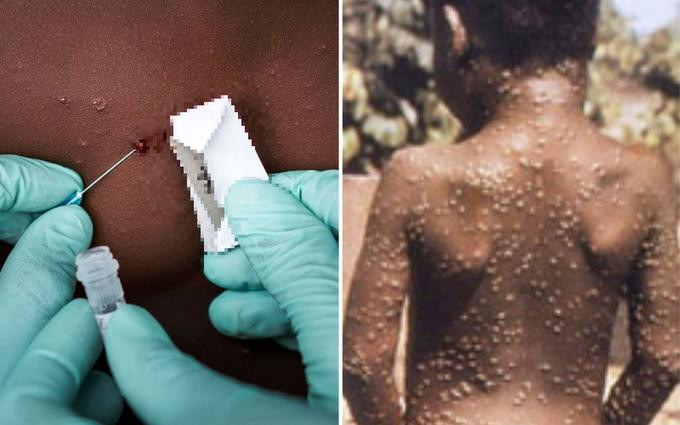 |
| To date, more than 20 countries worldwide have reported cases of monkeypox, including over 100 suspected cases in countries that rarely report this disease. |
Monkeypox is a contagious disease that usually presents with mild symptoms and is endemic in parts of West and Central Africa. It spreads through close contact, and is therefore relatively easy to prevent through measures such as self-isolation and good hygiene.
Most of the cases in the new outbreak have been detected in the UK, Spain, and Portugal.
The UN health agency stated: "The vast majority of cases to date have not been linked to endemic areas."
The main manifestation of monkeypox is a rash that begins one to three days after the fever. The red spots gradually enlarge, turning into pustules filled with pus, which scab over and peel off within 2–4 weeks. The rash usually starts on the face and spreads to other parts of the body such as the hands, feet, and genitals.
In humans, the virus is transmitted through animal bites or direct contact with the blood, bodily fluids, skin wounds, and respiratory droplets of infected animals.
Currently, there is no specific vaccine for monkeypox. The smallpox vaccine has been shown to provide 85% protection against monkeypox.
However, the first-generation smallpox vaccine is no longer widely distributed. Some countries have or are implementing policies to provide vaccines to high-risk groups.


