
What should I do if my car's brakes suddenly fail?
A car experiencing brake failure is the most dangerous situation for drivers. In this case, you need to remain calm and follow these steps.
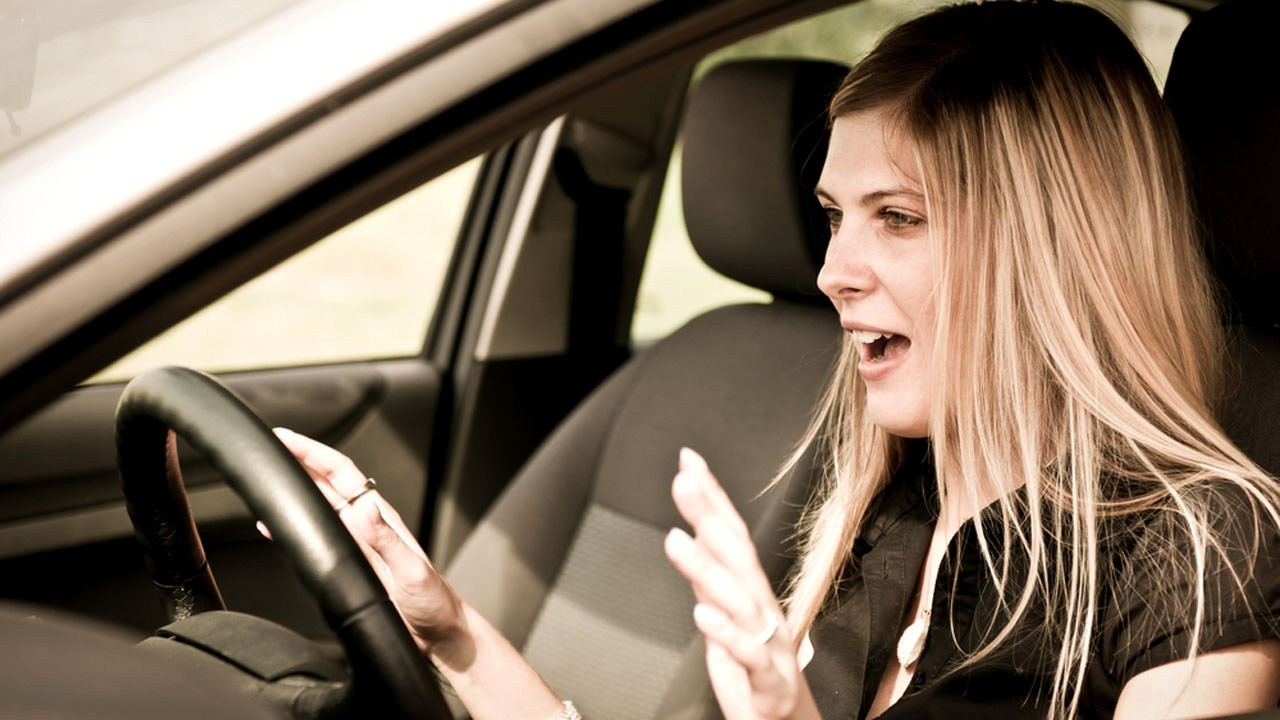
Stay calm.
If you unfortunately find yourself in such a perilous situation, the first thing to remember is to always try to... stay calm. This is the main factor determining whether or not you will be lucky enough to survive.
Panic and confusion will prevent us from handling things correctly and will only make things worse.
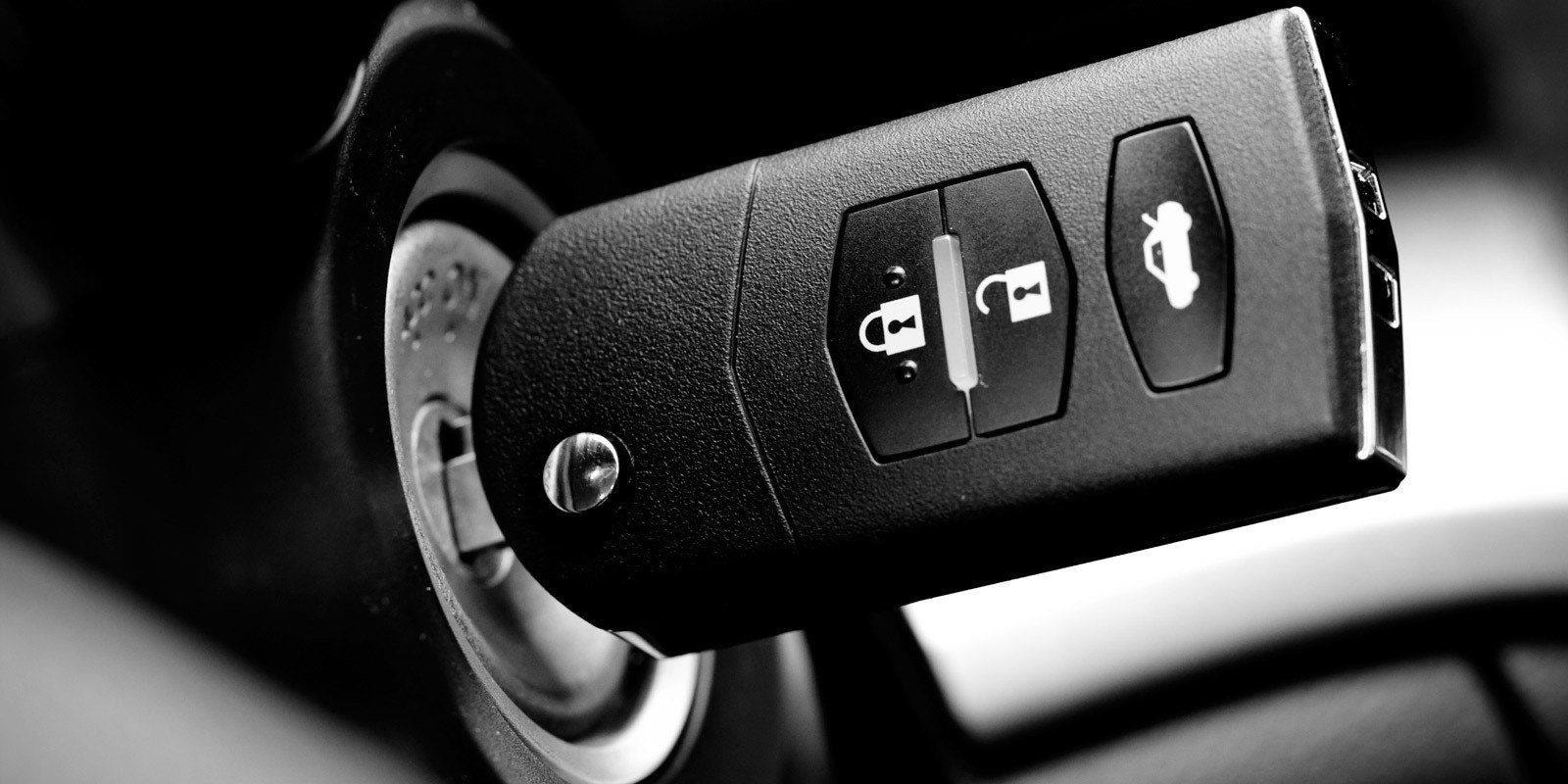
Do not turn off the machine.
Throughout the process, remember not to turn off the engine, as this disables the power steering, making it impossible to control the vehicle. Furthermore, at high speeds, suddenly turning off the engine can lead to loss of control due to the engine stopping abruptly and the resulting high inertia.
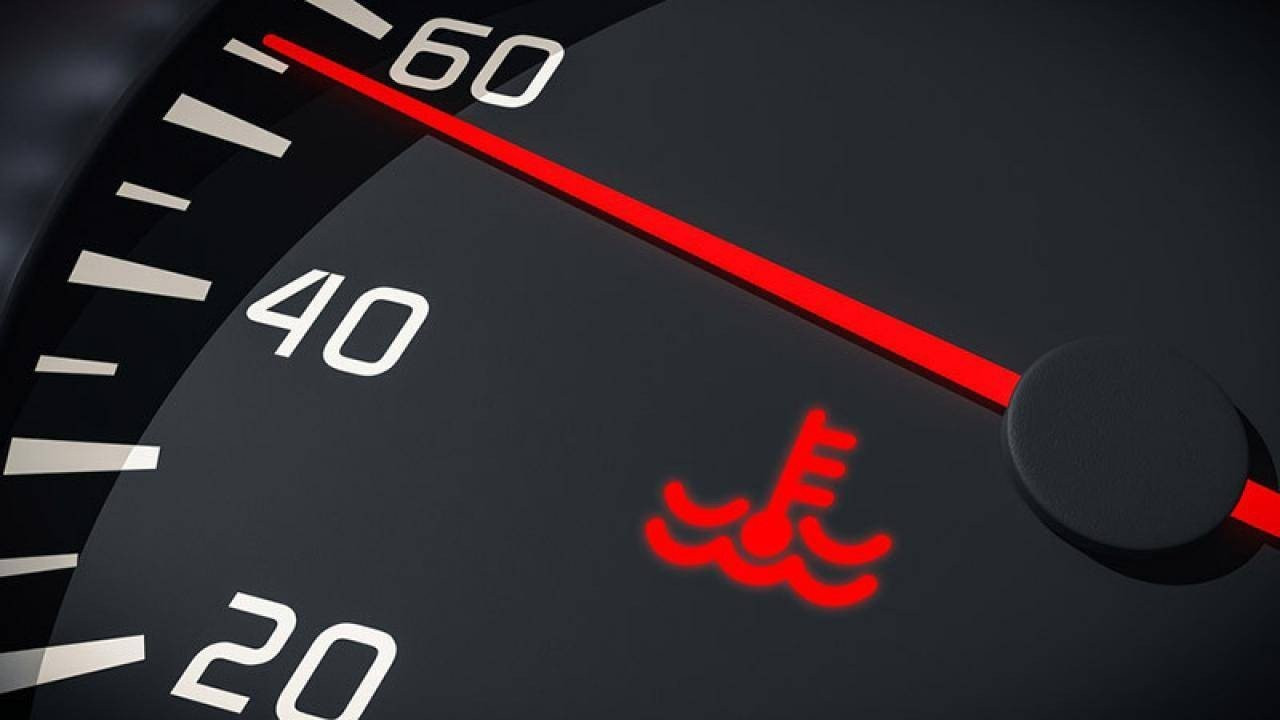
Turn on the alert signal.
Turn signals, hazard lights, horns, and even flashing headlights are all ways to signal that a vehicle is experiencing a problem so that other vehicles can avoid it in time.
If there is someone sitting in the passenger seat or the back, you should use verbal cues, wave a handkerchief, etc., to draw attention to safety for those around you.
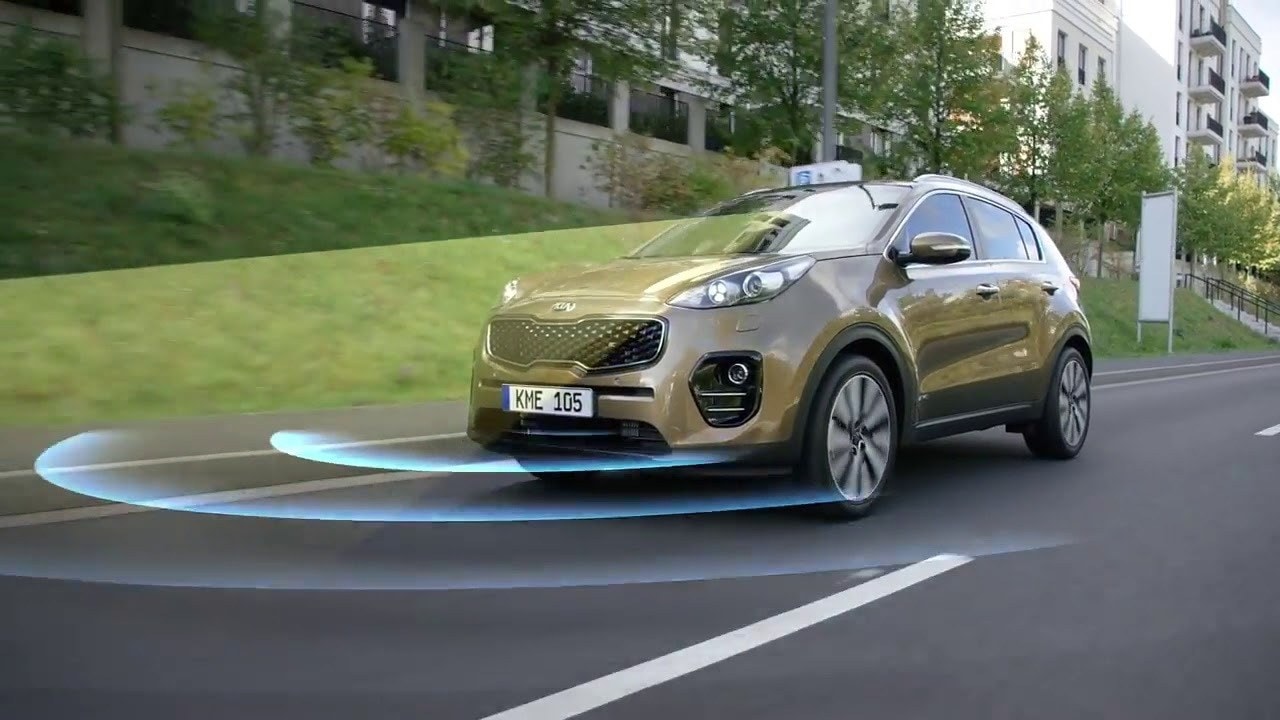
Try the emergency brake.
If your vehicle is equipped with an emergency braking system, use it. This system is often used to bring the vehicle to a complete stop, although it takes longer because it only affects the rear wheels.
When operating the wheel, be careful to pull gently and slowly, but with sufficient force. Pulling too hard or too quickly can lock the wheel, causing slippage and loss of control.
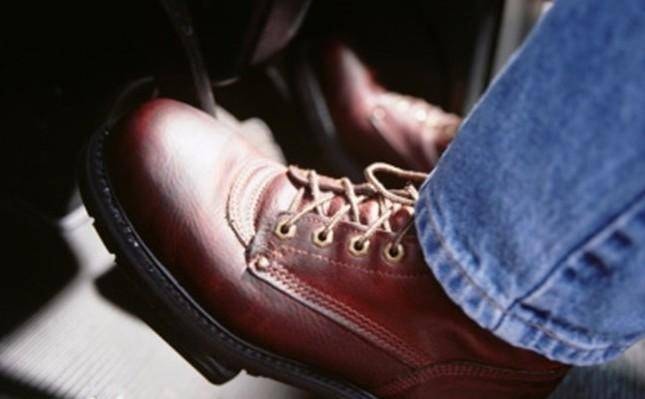
Press the brake pedal multiple times.
If the brake pedal feels stiff, you can't fully depress it, or you can't press it deeply enough, it's likely that something like a water bottle or a box has accidentally fallen onto the pedal or is caught in the floor mat, preventing you from braking. The simple solution is to kick the obstruction away with your foot, and the car should return to normal.
Press the brake pedal repeatedly to check the pressure, because if the brake lines are clogged, pressing the brake pedal repeatedly will help restore braking power, or if the vehicle has an ABS (anti-lock braking system), this can help activate the ABS.
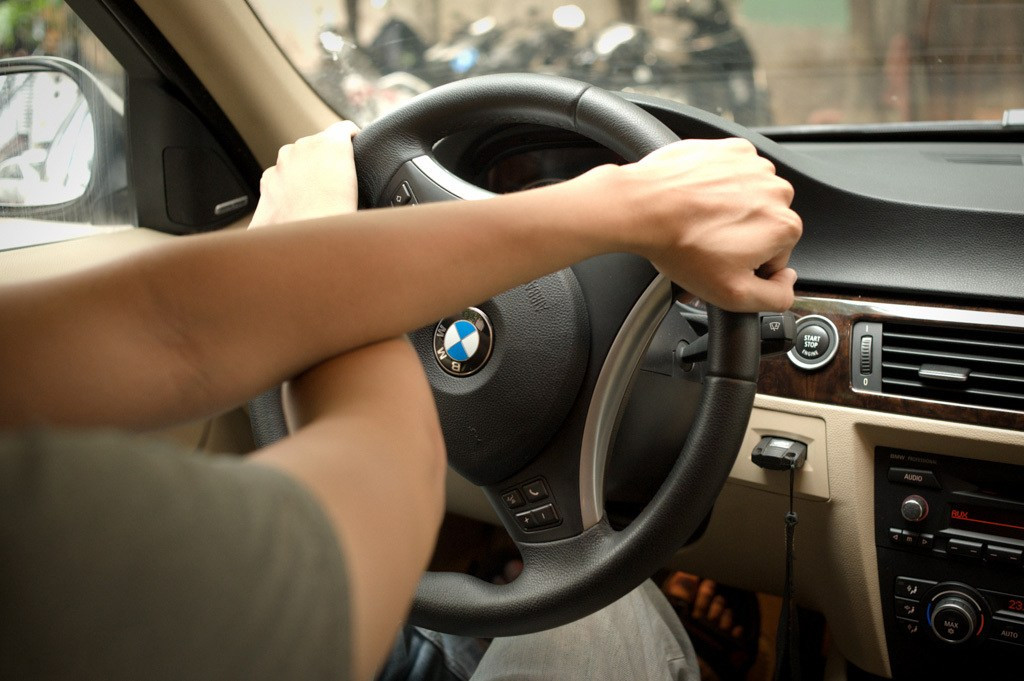
Observe the open space, then steer to either side.
Observe both sides of your vehicle; if there is space, move your car to the safe side. Steering increases traction and distance traveled, naturally slowing the vehicle down. However, remember not to change lanes at high speeds, as this can easily lead to loss of control.
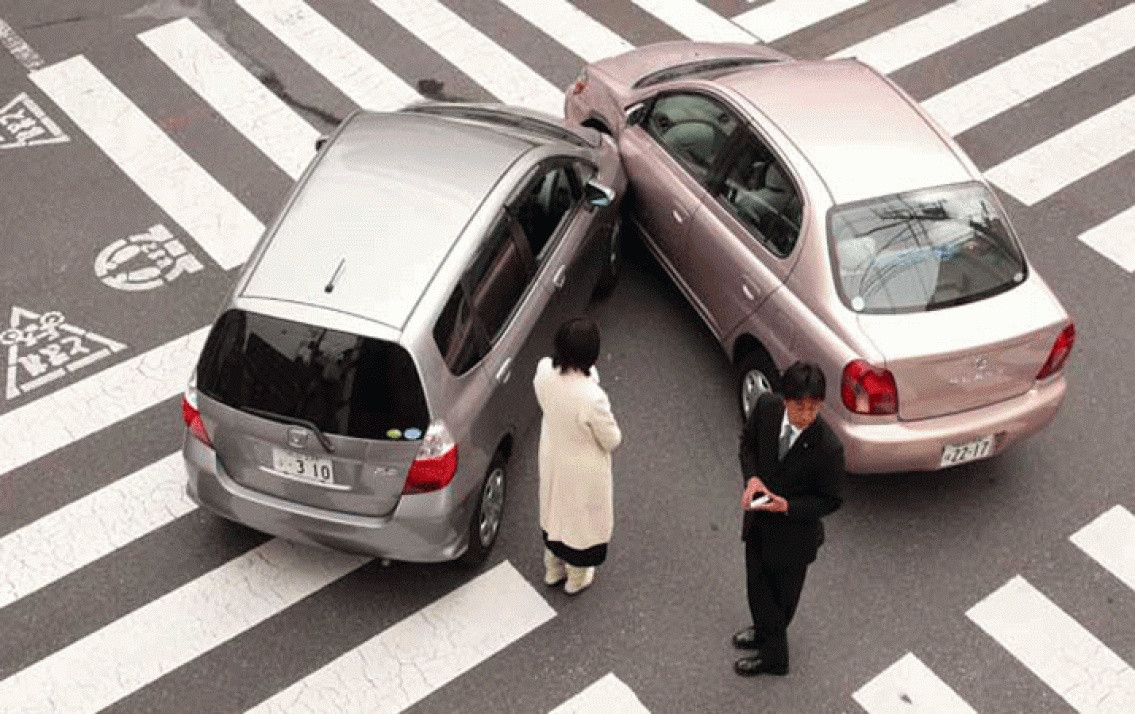
Use obstacles to slow down.
If the above methods fail to stop the vehicle due to brake failure, the driver can try their luck by driving close to roadside obstacles. The friction created may help the vehicle stop, but this is only a last resort. The driver can drive close to a guardrail to stop the vehicle, or steer into areas that can create more friction such as gravel, sand, small bushes, or even rear-end another vehicle. If possible, try to stay as far away from residential areas as possible.
Therefore, to minimize the risk of falling into such a situation, you should always maintain and inspect your vehicle regularly and develop the habit of driving at a moderate speed that you can control.


