
4 types of oil in cars that need to be checked and replaced regularly.
Each internal combustion engine vehicle has specific types of oil for each individual component. Over time, these oils in the vehicle tend to deplete and degrade, so users need to check and replace them periodically.
Besides coolant and windshield washer fluid, modern internal combustion engine cars also use various specialized oils for different components. For example, there's engine oil, transmission oil, brake fluid, etc. Over time and due to the car's operating environment, these oils tend to degrade and need to be inspected and replaced.
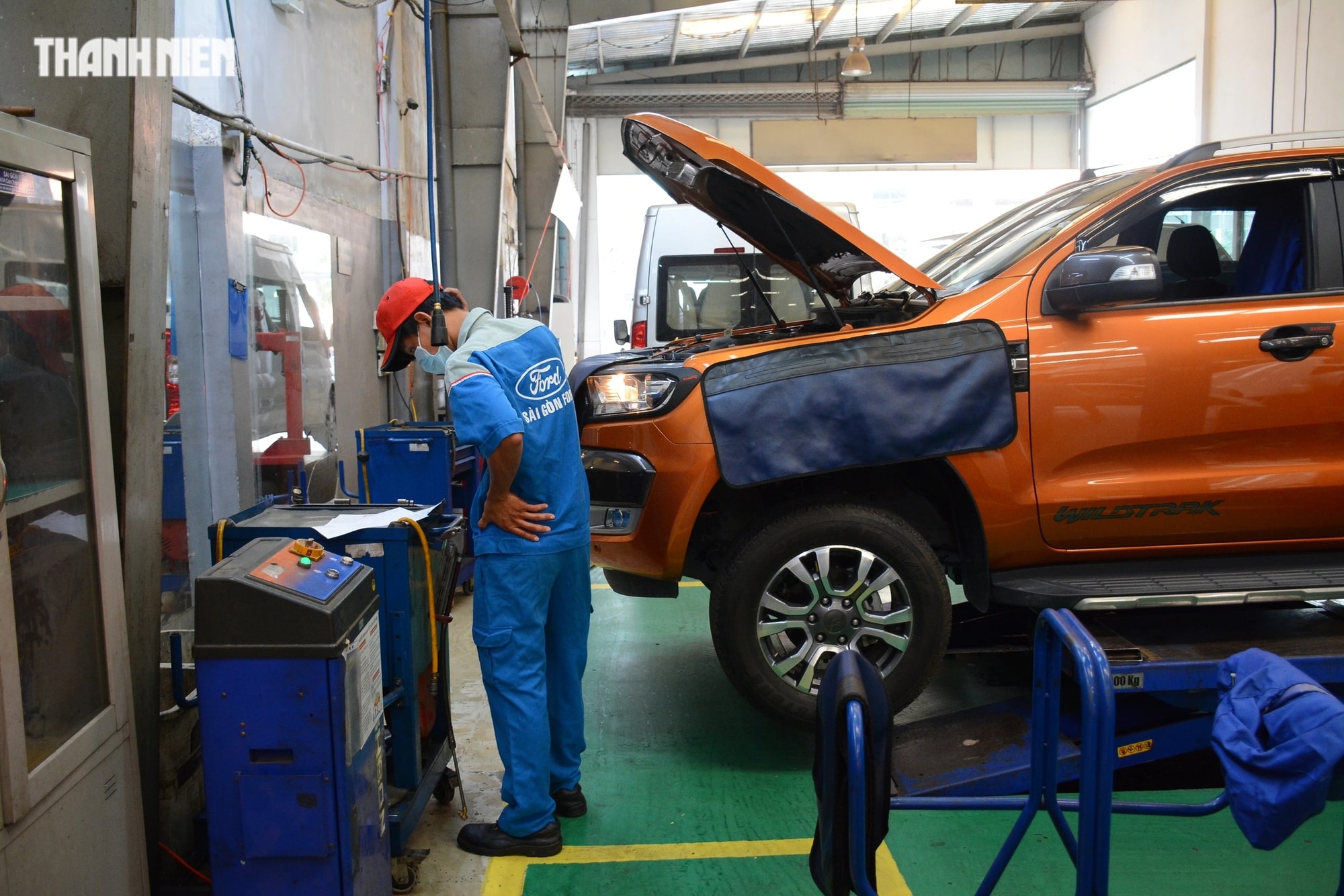
If car owners are negligent and fail to top up or replace the fluids in their cars as recommended by the manufacturer, over time it can affect the stability of components such as the engine, transmission, braking system, steering system, etc. However, generally, besides engine oil, not everyone who uses a car knows which fluids in their car need replacing, what the oil condition should be, or how many kilometers the car should run before changing it (!?)
Engine oil
Engine oil is a vital fluid that maintains the engine's operation through lubrication, reducing friction and cleaning mechanical parts such as pistons, cylinders, and crankshafts. After prolonged use, the combustion of fuel can create soot, dirt, and other contaminants in the oil, causing it to degrade and reducing its lubricating ability.
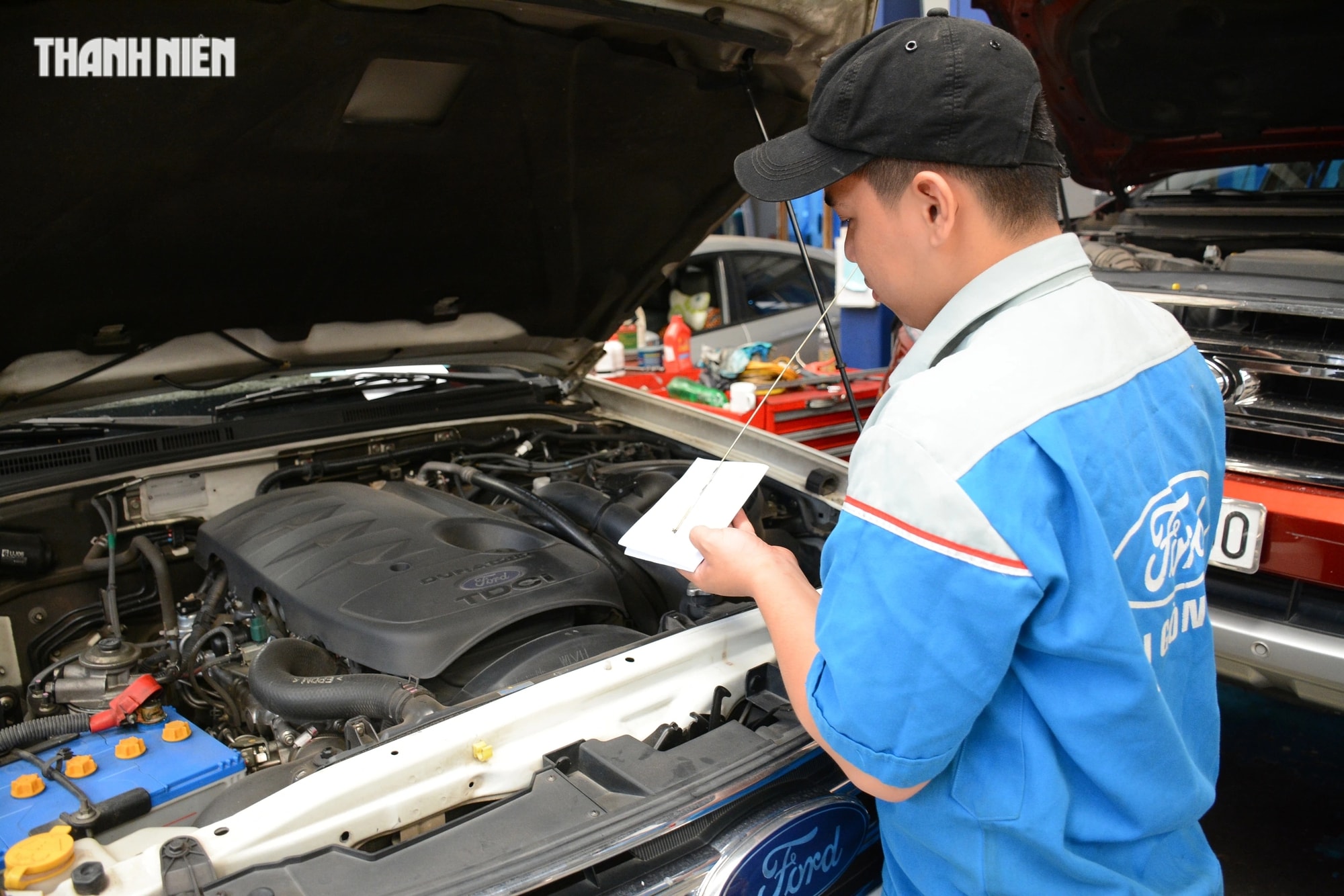
Therefore, according to recommendations from car manufacturers, depending on the type of vehicle, car users need to monitor, check, and change engine oil regularly every 5,000 - 10,000 km or about 4 months to ensure the engine always runs smoothly.
Train oil
Transmission fluid is a lubricant that lubricates the gears inside a car's gearbox. For the gearbox to function properly, the quality of the transmission fluid must be ensured. In automatic transmissions, transmission fluid also contributes to the stable operation of the hydraulic clutch. The frequent exposure of transmission fluid to high temperatures can easily cause the molecules within the fluid to break down, compromising its effectiveness.
In addition, like engine oil, soot, dirt, and metal particles from the operation of the transmission will mix with the oil, causing it to thicken and lose its lubricating effectiveness. Therefore, automotive transmission fluid also needs to be checked and replaced periodically. According to the manufacturer, for manual transmission cars, transmission fluid should be replaced after every 40,000 - 50,000 km of use, and after every 60,000 - 150,000 km for automatic transmission cars.
Brake fluid
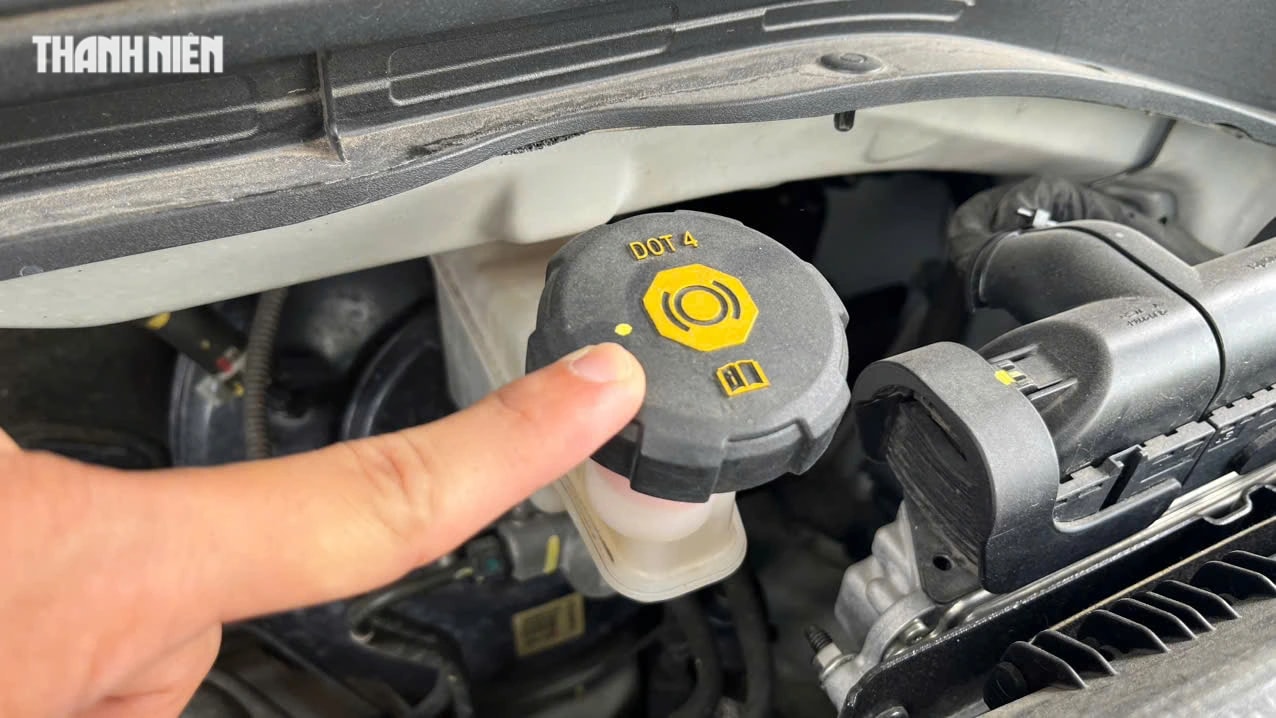
Brake fluid plays a crucial role in transmitting force from the brake pedal to the brake calipers (brake pads) on all four wheels. Brake fluid also needs to be replaced periodically to ensure optimal braking system performance. Therefore, it's important to regularly monitor and check the brake fluid level. If the amount of fluid in the reservoir drops below the minimum level, it should be replaced. Additionally, pay attention to changes in the color of the brake fluid; if it turns brown or black, it should also be replaced. Generally, if there is no significant loss, brake fluid replacement should be done at least every two years. However, this timeframe may vary depending on the vehicle's condition and usage.
Power steering fluid

Power steering fluid and shock absorber fluid function like hydraulic pumps, helping the driver control the steering wheel more easily and smoothly, while also contributing to a smoother ride. Power steering fluid also plays a role in maintaining the working rhythm of the components in the steering and shock absorber systems of a car. Currently, many newer car models have switched to electric power steering, however, a significant number of vehicles still use hydraulic power steering systems. Power steering fluid also needs to be checked and replaced periodically or when the fluid color changes to brown or black. In particular, it is necessary to monitor and inspect the components containing the power steering fluid to prevent leaks, which can lead to depletion and inefficient operation of the steering and suspension systems.


