
How to choose engine oil for your car that is both economical and helps the engine last longer?
Engine oil is extremely important in the engine system, helping the vehicle run powerfully and smoothly. Car owners need to know these oil change tips to ensure their engines last longer.
To ensure smooth engine operation and extend the lifespan of your car, regular oil changes are essential. Engine oil not only lubricates the moving parts inside the engine but also plays a crucial role in cooling and cleaning the engine, preventing the buildup of sludge and other impurities.
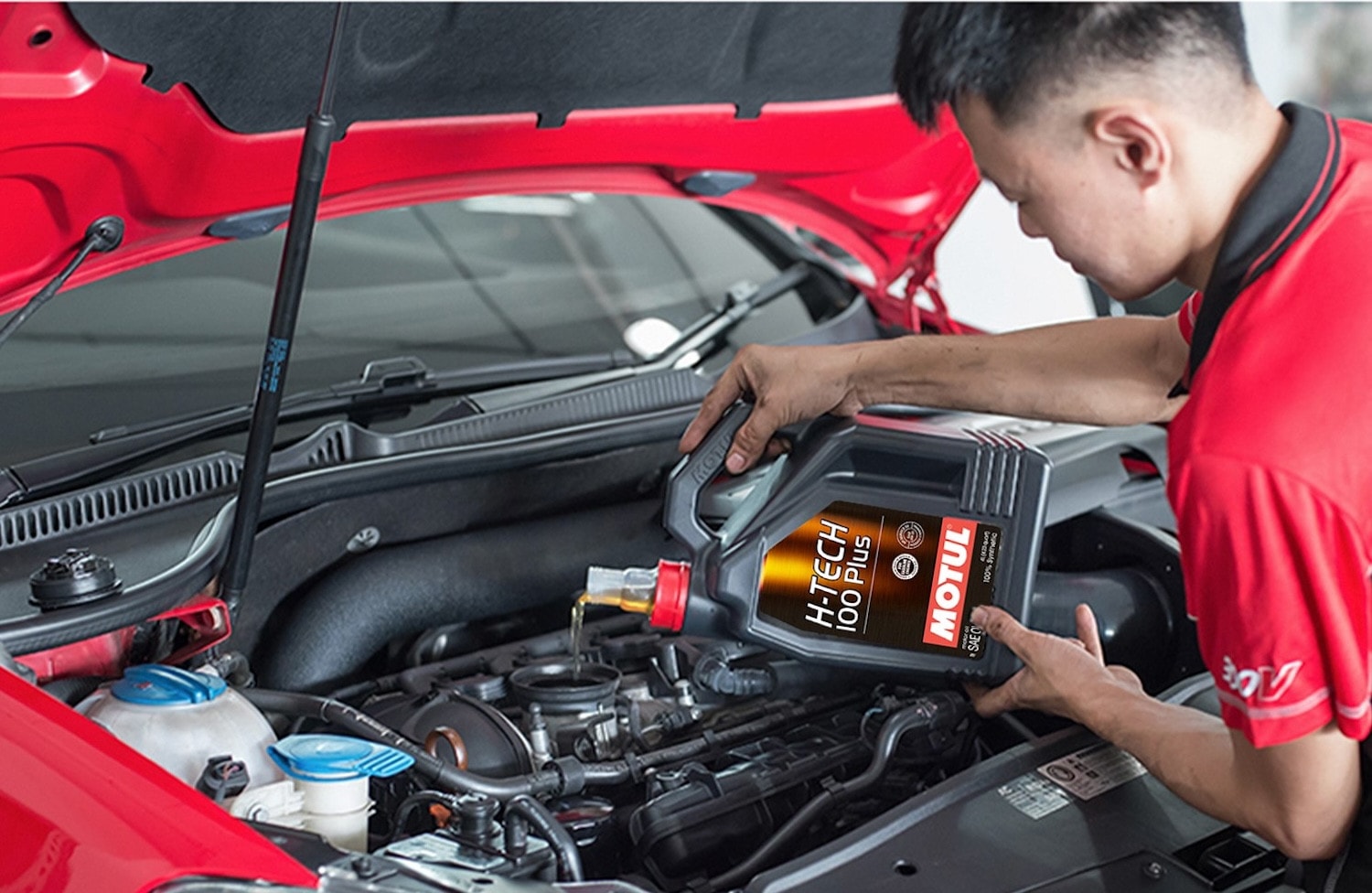
However, not everyone fully understands the importance of regular oil changes, nor do they know how to do it correctly and safely.
According to the advice of engineer Bao Dai - a technical expert from Motul oil company - here are some tips for changing engine oil in your car to help your engine last longer:
Determine when to change the oil.
To keep your car running at its best, determining when to change the engine oil is extremely important. Car owners should adhere to the oil change schedule recommended by the manufacturer.
Each manufacturer provides a specific timeframe or mileage for oil changes, based on tests and calculations to ensure efficient engine operation. Failure to follow these recommendations can lead to engine damage and reduce the vehicle's lifespan.
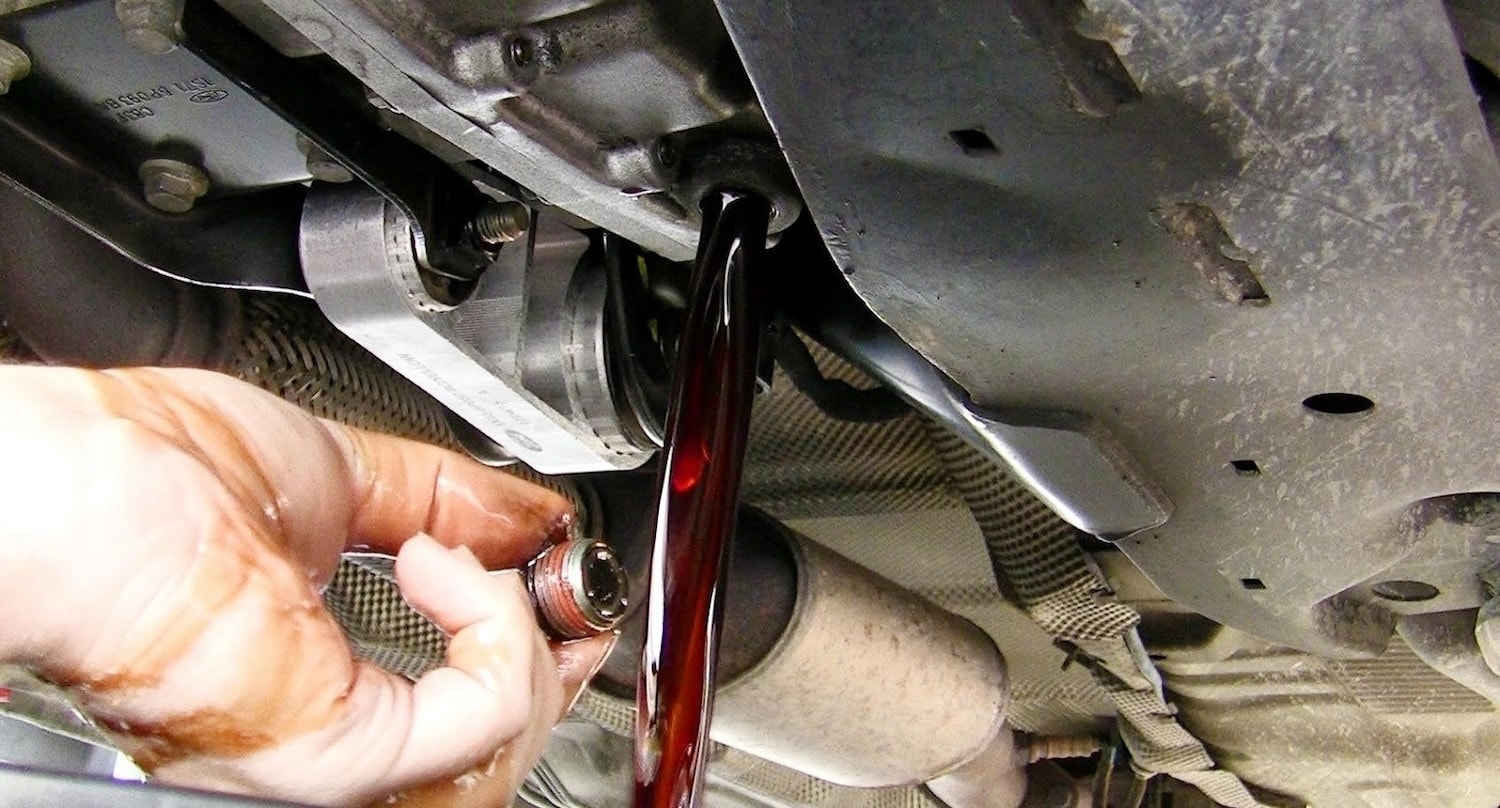
Additionally, there are signs that indicate it's time to replace your engine oil that you can easily recognize. The color of the oil is the first indicator; new oil is usually yellow or light yellow, but over time it will turn black due to the accumulation of dirt and impurities.
The viscosity of the oil is also a crucial factor, as oil that has lost its viscosity will no longer be able to lubricate effectively, increasing friction and temperature in the engine. Furthermore, heavily contaminated engine oil may have a burnt or rancid smell.
However, it can be difficult for some ordinary users to check the quality of their engine oil after use. Therefore, it is best to change the engine oil according to the manufacturer's recommendations.
Choose the right type of engine oil.
When choosing engine oil for diesel and gasoline engines, it is essential to understand the specific requirements of each engine type to ensure optimal performance and durability.
For diesel engines, the chosen engine oil needs to be able to withstand high pressure and high temperatures, usually indicated by the letter "C" (Commercial) in standards such as API CJ-4 or CK-4. These oils not only protect the engine from corrosion but also help control emissions and reduce deposit buildup.
Meanwhile, gasoline engines are better suited to oils with high oxidation resistance, often indicated by the letter "S" (Service) such as API SN or SP, to minimize deposits and sludge buildup caused by high temperatures. Especially for newer gasoline engines, using synthetic oil can be most effective due to its superior lubrication and durability, particularly under harsh driving conditions.
For cars equipped with turbocharged gasoline engines, users should choose engine oil with the API SP designation to reduce premature ignition at low speeds and extend engine life. For naturally aspirated gasoline engines, users can choose engine oil with the API SN designation.
Additionally, for older gasoline-powered cars that have been in use for many years, users should choose 10W-40 or 20W-50 engine oils with higher viscosity to better protect worn engine components.
For luxury cars, users should choose 0W-20 oil because the internal engine components have very low clearance, requiring a fluid oil that can penetrate every part, and the oil is also used to control the engine's systems.
For popular car models using gasoline engines from Hyundai, KIA, Mazda, etc., Motul's technical experts recommend using 5W-30 engine oil to help save fuel and ensure longer engine lifespan.
Choosing the right type of engine oil for each engine type is essential not only for optimizing vehicle performance but also for extending engine life. Each engine type, whether diesel or gasoline, has specific oil requirements, depending on factors such as operating conditions, engine technology, and climate.
Using the wrong type of lubricant not only reduces operational efficiency but can also lead to serious damage, resulting in significant repair costs.
Generally, manufacturers have specific standards for the type of engine oil suitable for each car model they sell.
In addition to expert advice, users should also refer to the manufacturer's specific instructions to choose the appropriate type of engine oil.


