
5 illnesses to watch out for during cold weather.
(Baonghean.vn) - Cold weather weakens the body's immune system, and the dryness causes the body to lose water easily. The organs most affected by water loss are the nose, throat, mouth, and respiratory tract. Therefore, during the cold transitional seasons, we need to pay attention to the following five illnesses.
Rhinitis
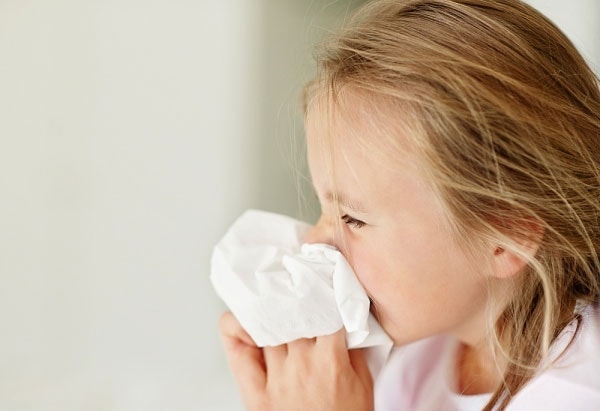 |
| Viêm mũi là chúng ta bị sốt, hắt hơi liên tục và chảy mũi. Ảnh minh họa. |
Viêm mũi hay chính xác hơn là viêm niêm mạc mũi là bệnh mà trong đó hệ thống niêm mạc của mũi bị viêm. Biểu hiện điển hình nhất của viêm mũi là chúng ta bị sốt, hắt hơi liên tục và chảy mũi.
Ít khi có ho trong viêm niêm mạc mũi. Sốt có thể gặp hoặc có thể không gặp, nhưng ở một số người thì sốt thể hiện khá rõ và đạt ở nhiệt độ rất cao. Tuy nhiên hai dấu hiệu là hắt hơi và chảy nước mũi thì bao giờ cũng có. Người bệnh có thể hắt hơi liên tục, hắt hơi nhiều lần, hắt hơi hàng tràng và chảy nước mũi. Nước mũi có đặc điểm là trong và loãng. Kèm theo đó người bệnh có thể có triệu chứng nói giọng mũi.
Sore throat
Viêm họng là tình trạng mà niêm mạc họng bị viêm kèm theo đó là sự viêm đau của các tổ chức bạch huyết xung quanh. Các tổ chức bạch huyết này thực ra là các đám bạch huyết được gọi là các amidan.
Có 4 loại amidan gồm amidan vòm nằm ở trên nóc vòm họng, amidan vòi nằm ở hai bên vòi nhĩ, amidan khẩu cái nằm ở hai bên thành bên của họng và amidan gốc lưỡi. Khi viêm họng thì ngoài niêm mạc họng sưng đỏ thì các tổ chức amidan này rất dễ bị viêm. Điều này (viêm niêm mạc họng) làm cho người bệnh cảm thấy họng đau rát, đau như có lửa trong họng vậy.
Có một dấu hiệu dễ nhận thấy trong viêm họng đó là sốt. Sốt trong viêm họng sốt rất cao, sốt thực thụ. Mức độ sốt và thời gian sốt phụ thuộc vào mầm bệnh xâm nhập. Có một điều như này cần chú ý, không phải viêm họng nào cũng là do vi khuẩn gây ra.
Viêm thanh quản
 |
| Viêm thanh quản khiến cho chúng ta bị khàn tiếng, khản đặc thậm chí là mất tiếng. Ảnh minh họa |
Viêm thanh quản là tình trạng dây thanh âm bị viêm. Dây thanh âm là bộ phận phát âm và phát ra tiếng nói cho chúng ta, nó nằm ở trong thanh quản.
Dây thanh âm bị viêm khiến cho chúng ta bị khàn tiếng, khản đặc thậm chí là mất tiếng. Kèm theo hiện tượng này đó là sốt. Các triệu chứng khác có thể có như ho và khạc đờm song đó không là dấu hiệu chính. Đó chỉ là dấu hiệu chứng tỏ các cơ quan khác đang bị bệnh mà thôi.
Tonsillitis
Tonsillitis is inflammation of the lymphatic tissues located in the pharyngeal region. Symptoms include fever, along with painful breathing and swallowing. The specific symptoms vary depending on which tonsils are inflamed. For example, inflammation of the nasopharyngeal tonsils will primarily cause difficulty breathing and painful breathing.
This type of tonsillitis is also called adenoiditis. If the tonsils at the base of the tongue are inflamed, the main symptom is coughing, while if the tonsils on either side of the throat are inflamed (clearly visible when looking in a mirror with the mouth open), painful swallowing is the characteristic symptom.
Tonsillitis is a common illness in children. The tonsils are very prone to inflammation and can easily lead to other respiratory infections.
Bronchitis
 |
| The main pathogens causing bronchitis are viruses and bacteria, with equal risk. (Illustrative image) |
Bronchitis is an inflammation of the airways from the larynx downwards. The bronchi are the main airways and the passageways that extend deep into the lungs. The primary pathogens causing bronchitis are viruses and bacteria, with equal risk.
Bronchitis manifests as high fever, cough, phlegm production, and shortness of breath. The cough in bronchitis is a genuine cough, caused by the accumulation of phlegm in the airways. Therefore, patients almost always cough more in the morning and afternoon, the times when phlegm production is highest. The phlegm may be yellow or green, but it is almost always thick.
In children, there is also a risk of breathing difficulties due to excessive constriction of the airway muscles. Therefore, this sign should be noted. It is also one of the reasons why children cry, refuse to breastfeed, or refuse to eat.
Here are some tips to prevent these 5 diseases.
With respiratory illnesses, prevention is key. This is because they are not curable for life and tend to recur. The following tips can help reduce your risk of getting sick.
- Dress warmly when going outside, wear a mask, a hat, and a warm scarf, especially if you work outdoors. Unless absolutely necessary, avoid going outside early in the morning or late at night as it gets colder then.
- When cycling, and especially when riding a motorbike, wear a helmet that covers your entire head, face, and chin to avoid getting cold and developing upper respiratory infections such as rhinitis and pharyngitis. Indoors, keep all doors, windows, and gaps closed to prevent drafts.
- Eat a balanced diet, consuming a variety of food groups, especially those that boost immunity such as: green vegetables, fruits rich in vitamin C; and foods rich in iron and zinc such as eggs and milk…
- Sleep in a warm, sheltered place. This is very beneficial. It helps avoid catching a cold and prevents respiratory infections. Avoid sleeping near doors, windows, or vents.
- Smoking reduces the resistance of the respiratory tract mucosa. When smoking, the cilia on the surface of bronchial epithelial cells become paralyzed, their movement is disrupted, and they cannot push mucus upwards. Other protective cells such as white blood cells and macrophages also function ineffectively, making us more susceptible to infection.
Tobacco smoke not only affects smokers but also those around them who inhale it, especially young children, so smoking should be avoided indoors.
- Alcohol addiction also weakens the body's resistance. When drinking alcohol, people feel hot, so they often remove their clothes, scarves, and hats, making them susceptible to colds and bronchial and lung infections. Not to mention cases where people get too drunk and vomit food; during vomiting, they can easily choke on food and stomach fluids, causing severe pneumonia.

6 body parts that must be kept absolutely warm in cold weather.
(Baonghean.vn) - The weather is getting colder every day. We need to pay special attention to keeping our bodies warm to maintain good health. In keeping the body warm, we cannot overlook keeping the six most important body parts warm:
8 ways to prevent respiratory illnesses during the rainy season.
(Baonghean.vn) - During rainy and windy days, people are often susceptible to respiratory illnesses such as colds, coughs, bronchitis, and sore throats... In addition, other dangerous diseases such as pneumonia and encephalitis can also occur. Therefore, to protect your body on rainy days, you need to take some of the following measures:


