
6 things to keep in mind when test driving a new car.
(Baonghean.vn) - Test driving is one of the important steps, besides the selling price, that car buyers take before purchasing. So what should test drivers keep in mind to ensure a safe test drive and to fully experience the car's features?
1. Learn about the car before you drive it.
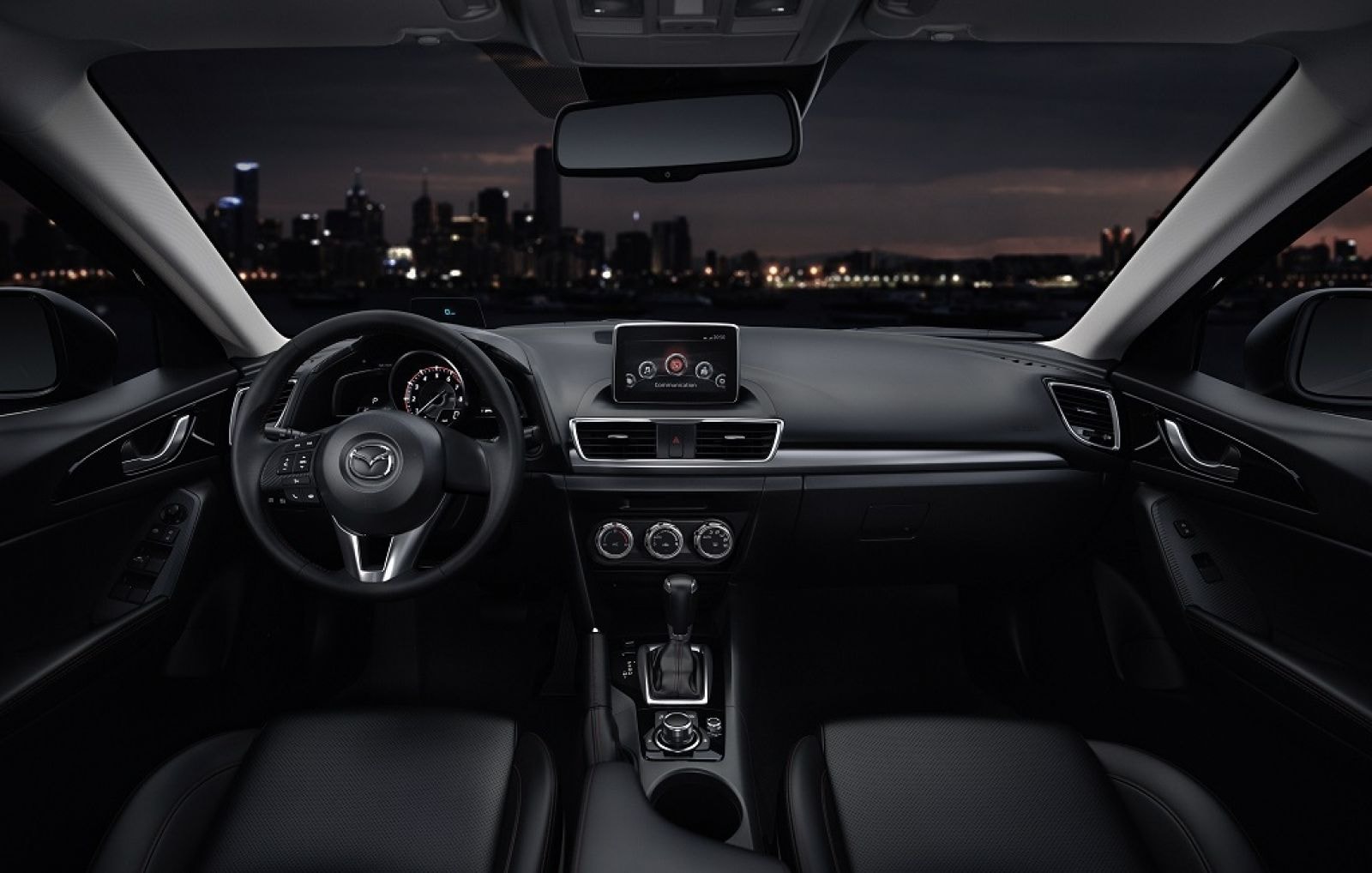 |
When getting into a new car, you need to check the equipment around the driver's seat, including the steering wheel, gear shift, accelerator pedal, brake pedal, driving position, seat, instrument panel, rearview mirrors, etc. In addition, try adjusting each piece of equipment once or twice to see if it's easy to use and think about real-life situations you might encounter while driving.
2. Acceleration and braking capabilities
 |
Typically, these are the first two tests in a vehicle test drive. The acceleration of each model usually depends on engine power but is also related to the transmission. A good engine paired with a poor transmission will deliver below-average performance. Meanwhile, a small engine can perform at its best when paired with a well-designed transmission, whether manual or automatic.
After accelerating, test braking both firmly and gently to get a feel for the car's responsiveness. If you don't need to use excessive force and the car doesn't stop too quickly or too slowly, then the brakes are quite good. This will help you feel more comfortable and less uncomfortable when encountering unexpected braking situations.
3. The feel when changing direction of the vehicle
 |
Whether driving at low or high speeds, changing direction allows the driver to clearly feel the steering wheel, suspension system, and active or passive safety features of the vehicle.
This is one of the important factors that helps drivers decide whether or not to buy a car, as a comfortable driving experience gives buyers more peace of mind and makes the car feel more user-friendly and comfortable.
4. Sit in the back seat.
 |
Besides test driving the car yourself, you can spend some time in the passenger seat and let someone else drive. Then, sit in the back seat. This will give you a chance to assess the noise level, the quality of the car, and how suitable it is for your family. Additionally, talking to other test drivers will give you a better feel for the model you're considering.
5. Check actual fuel consumption.
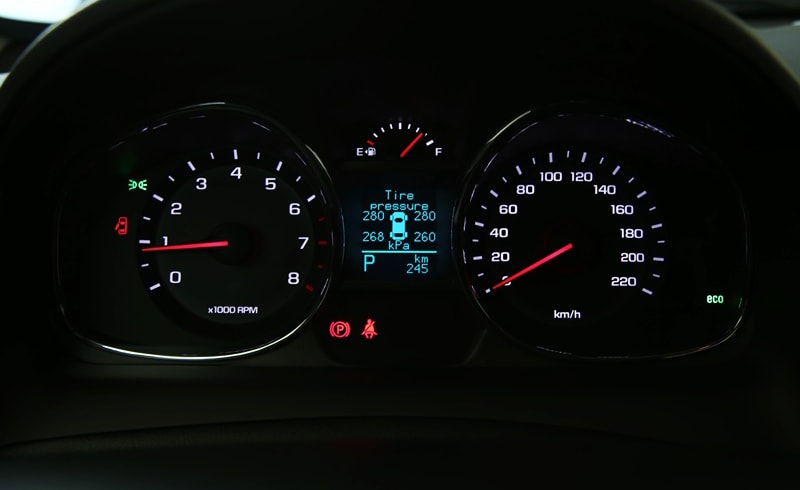 |
A road test drive is a great opportunity to measure fuel consumption under the conditions you'll be using the car in. When you receive the test vehicle, you should reset the odometer and trip computer. When you stop test driving, check the fuel consumption reading – it may be completely different from the number quoted on the windshield.
6. Check all features.
 |
Newer cars often have many features. Check out all the car's features such as: Bluetooth connectivity with your phone, listening to music, using cruise control, gear shift lever, etc.
Additionally, is the air conditioning sufficiently cool? Are the heated seats causing you discomfort? Does the voice recognition system recognize and respond to your voice? Does the navigation system work properly? You should also check the trunk space to see if it can hold everyday items and some items you'll need to carry at times.


