
6 types of fruits containing vitamin C that help with weight loss.
People planning to lose weight should include some vitamin C-rich fruits in their diet due to their low calorie content and high fiber.
According to Ms. Dang Thi Hoang Khue, Head of the Nutrition Department at Quang Nam Central General Hospital, incorporating fruits and vegetables into your daily diet is essential for overall health.
Eating fresh fruits and vegetables can help provide the body with beneficial vitamins, minerals, antioxidants, and fiber, improving digestion, reducing the risk of disease, and boosting cardiovascular health.
Vitamin C is an essential nutrient that plays a vital role in various bodily functions, including maintaining healthy skin, blood vessels, bones, and cartilage. While vitamin C-rich fruits don't directly aid weight loss, incorporating them into a balanced diet is beneficial for overall health, weight loss, and mental well-being.
1. Oranges help with weight loss.
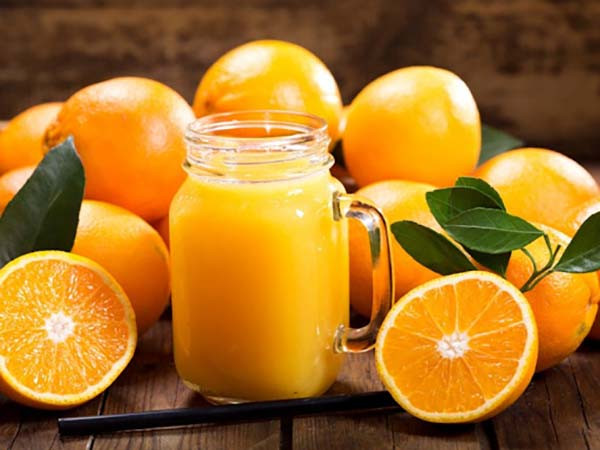
Each 100g of orange contains: 47 calories, 11.75g carbs, 9.35g sugar, 0.94g protein, 0.12g fat, 2.4g fiber, and 53.2mg vitamin C.
Oranges are not only packed with vitamin C but also low in calories and high in fiber, making them a satisfying and nutritious snack option that's great for weight loss.
Oranges help keep daily calorie intake low, with 2.4g of fiber per 100g serving. One orange is an excellent source of fiber for daily needs. Additionally, the fiber content can make you feel full if you eat an orange before a meal, leading to lower overall food intake.
Increasing your fiber intake will also maintain regular bowel movements, reducing bloating and digestive problems. Healthy digestion is essential for weight loss and overall good health.
Because oranges are about 86% water, they help increase hydration and promote satiety. Eating fruits with high water content is an easy way to reduce sugar and calorie intake.
Vitamin C is essential for a healthy body and can aid in successful weight loss. Those deficient in vitamin C may find it more difficult to lose body fat. Fresh fruits rich in fiber and vitamin C, such as oranges, support a healthy metabolism. Additionally, the flavonoids in oranges can increase calorie expenditure and combat obesity symptoms.
Oranges are low in calories but high in minerals, flavonoids, and fiber, which can increase feelings of fullness. Additionally, one orange contains over 90% of the recommended daily intake of vitamin C and over 11% of the recommended daily intake of fiber. Therefore, adding one or two oranges to your daily diet is a good idea.
2. Grapefruit
An average grapefruit contains 52 calories, 13g of carbs, 7g of sugar, 1g of protein, 0.2g of fat, 2g of fiber, and 31.2mg of vitamin C.
In addition, grapefruit is a rich source of several powerful antioxidant plant compounds, which can offer numerous health benefits.
Some studies suggest that grapefruit may have weight-loss-supporting properties. Grapefruit is low in calories, over 90% water, and high in fiber, making it a popular choice for those looking to lose weight. Grapefruit is a weight-loss-friendly food, particularly due to its fiber content. This helps promote feelings of fullness and reduce calorie intake. A medium-sized grapefruit contains a moderate amount of fiber, about 2g in half.
Studies have found that naringin, a compound found in grapefruit, may lower blood sugar levels and promote weight loss.
3. Strawberries
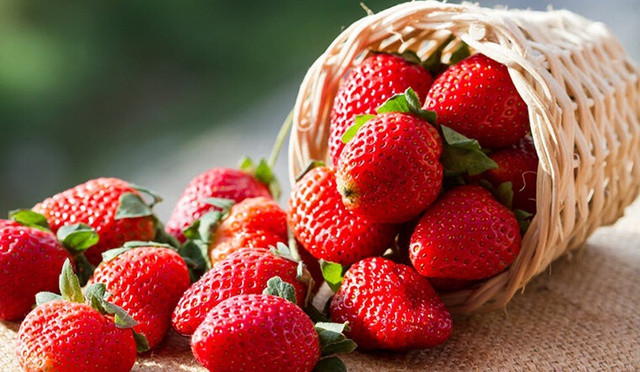
One cup of fresh, sliced strawberries, or 166g, contains 53 calories, 12.7g carbs, 7g sugar, 1.11g protein, 0.2g fat, 3.30g fiber, and 97.60mg vitamin C.
Strawberries are rich in vitamin C and antioxidants. They are also low in calories and can be a sweet and satisfying addition to a weight-loss diet. One cup of strawberries contains only about 50 calories. This means you can eat a relatively large serving of strawberries without burning a lot of calories, which can be helpful for weight management.
Strawberries are a great source of fiber, providing about 3g per cup. Fiber can help you feel fuller for longer after meals, reduce cravings for snacks between meals, and help control overall calorie intake.
Strawberries have a high water content. Foods with a high water content can help control hunger because they add bulk to a meal without adding extra calories.
Strawberries are packed with vitamins and minerals like vitamin C and potassium but low in sugar, making them a nutritious choice for those looking to lose weight. They're also a great alternative to sugary desserts when you're craving something sweet.
4. Guava is a good choice for people trying to lose weight.
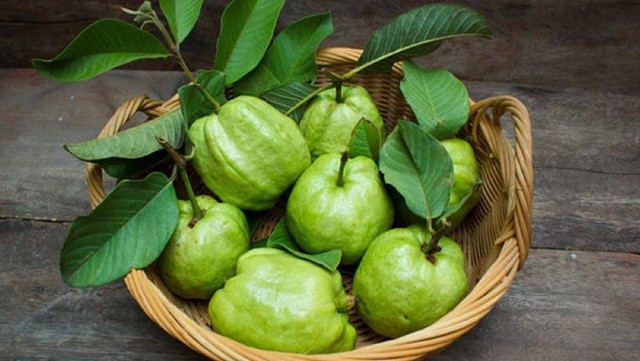
A 165g guava contains 112 calories, 23.6g carbs, 14.7g sugar, 4.2g protein, 1.6g fat, 8.9g fiber, and 376mg vitamin C.
Guava is extremely rich in vitamin C and fiber. This low-calorie fruit is a good choice for people trying to lose weight and is suitable for people with diabetes.
Guava is a great choice for weight loss because it's low in calories but very rich in nutrients. Guava is high in fiber, which helps people feel full for longer. Guava contains a lot of vitamin C, which helps improve the immune system.
It's best to eat only one or two medium-sized guavas a day. Eating too many guavas can lead to bloating and diarrhea.
5. Papaya
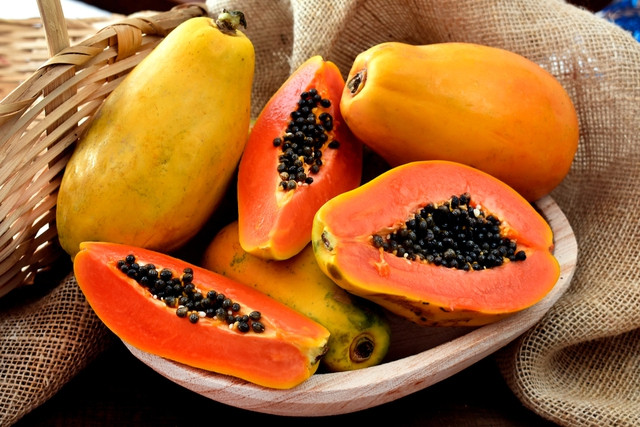
A medium-sized papaya (approximately 275g) contains: 119 calories, 30g carbs, 21.58g sugar, 1.3g protein, 1g fat, 4.7g fiber, and 210mg vitamin C.
Papaya doesn't have a dramatic weight-loss effect, but it contains compounds that may help promote a healthy weight-loss diet. Papaya is not only rich in vitamin C but also contains an enzyme called papain, which aids digestion.
This fruit is low in calories and a rich source of fiber—two properties that have been shown to improve satiety and reduce the risk of weight gain. It is also rich in antioxidants that can help protect your body from free radical damage.
Papaya is a great food to add to your diet, providing nutrients and fiber that can help support weight loss goals.
6. Kiwi is good for people who want to lose weight.
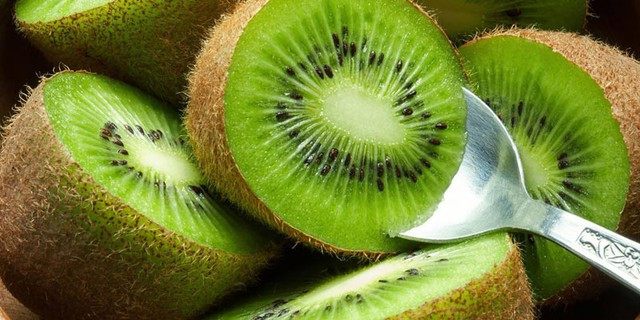
100g of kiwi contains: 61 calories, 15g carbs, 9g sugar, 1.1g protein, 0.5g fat, 3g fiber, and 92.7mg vitamin C.
Kiwi is a fruit with a high water content, low calories, and high fiber. Eating kiwi helps you feel full for longer. The high amount of vitamin C in kiwi is key to weight loss. Vitamin C helps control blood pressure, manage cholesterol levels, support gut health, and support immune function. It also plays an important role in fat metabolism. These are all important factors when embarking on a weight loss journey.
Kiwi contains both insoluble and soluble fiber. Insoluble fiber (found in the seeds) provides bulk and encourages the movement of stool through the digestive system. Soluble fiber is a gel-like substance that traps bile acids and also lowers blood cholesterol levels. Both types of fiber contribute to a healthy digestive system and prevent overeating during dieting.
Kiwi contains actinidin, an antioxidant that helps break down proteins in the body. This antioxidant is a great ally when dieting because it can help the digestive system function efficiently.
Kiwi also contains bromelain, a special enzyme that can fight inflammation and improve digestion. Kiwi is low in calories, high in fiber, and contains protein-digesting enzymes and vitamin C, meaning it can effectively promote weight loss.
While vitamin C-rich fruits are nutritious and can be part of a balanced diet, overall weight loss is achieved through a combination of factors, including a calorie deficit, regular physical activity, and a balanced diet that includes a variety of nutrients. Always consult a nutritionist before making significant changes to your diet, especially if you have underlying health conditions.


