
6 home decorating tips for living in harmony with pets.
Pets are adorable companions, but most are mischievous, leaving homes messy and even damaging furniture. Designing and decorating a home to suit one's personality while remaining pet-friendly has become a challenge for many homeowners.
To help you deal with the situation above,The New York TimesA compilation of advice from some of the leading architects in the United States.
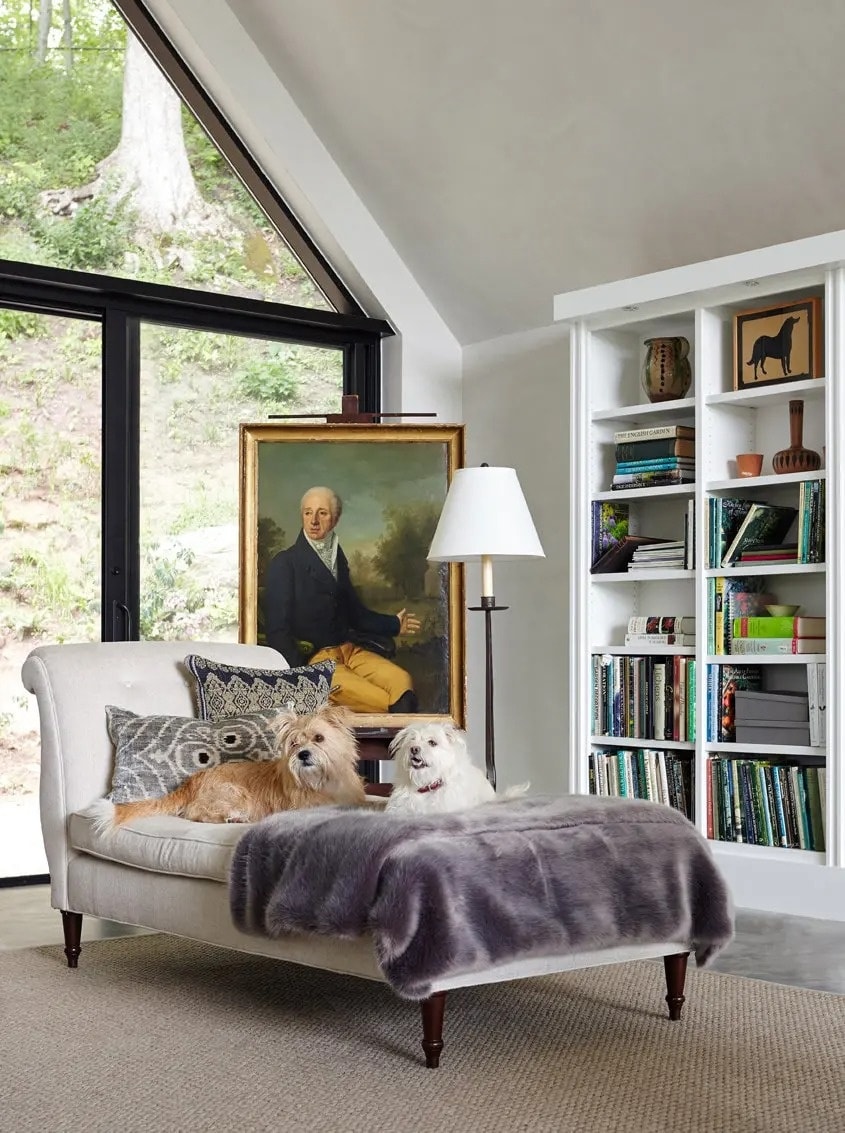 |
Photo: The New York Times |
Choose a stiff fabric.
Abbe Feniason, founder of interior design firm Studio Ten 25, says durability and cleanliness are her top priorities when designing a home for pets.
She suggested that for indoor furnishings, people should choose sturdy fabrics that are typically used for outdoor furniture. Suede, in particular, is a good option as it's easy to clean and doesn't scratch easily.
Additionally, for upholstered furniture, you can use a cover to protect it from pet claws.
 |
| Photo: The New York Times |
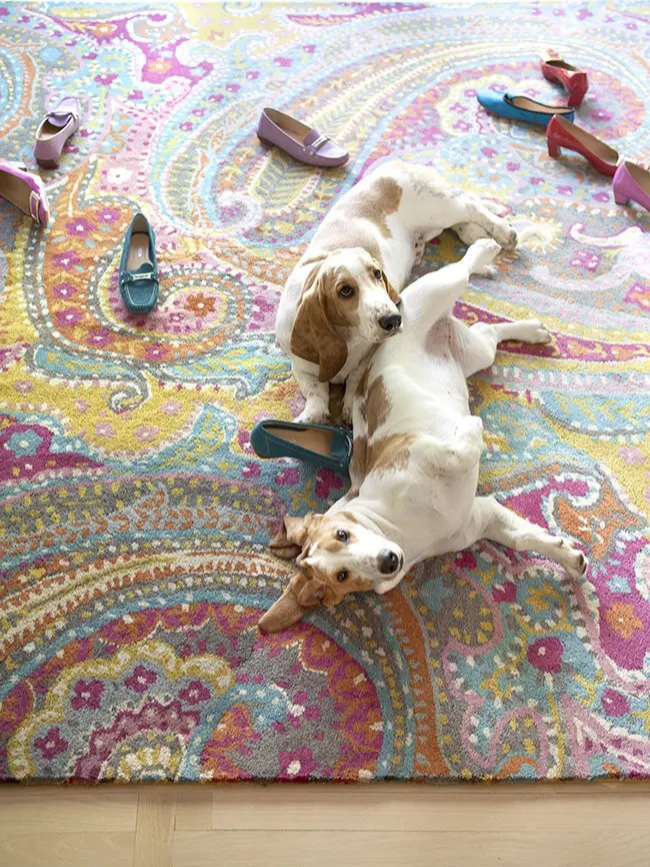
Buy affordable carpets
When pets play, your carpets can accumulate a lot of pet hair and dirt.
Therefore, designer Abbe Feniason suggests choosing rugs made from natural fibers at an affordable price. The neutral colors of this type of rug also suit most spaces.
High-quality rugs made of fur or premium fibers can add a touch of luxury to a space, but they are wasteful if they get torn or soiled by dogs or cats.
Notably, no matter which type of rug you choose, don't forget to place an anti-slip mat underneath to prevent it from shifting.
 |
| Photo: The New York Times |
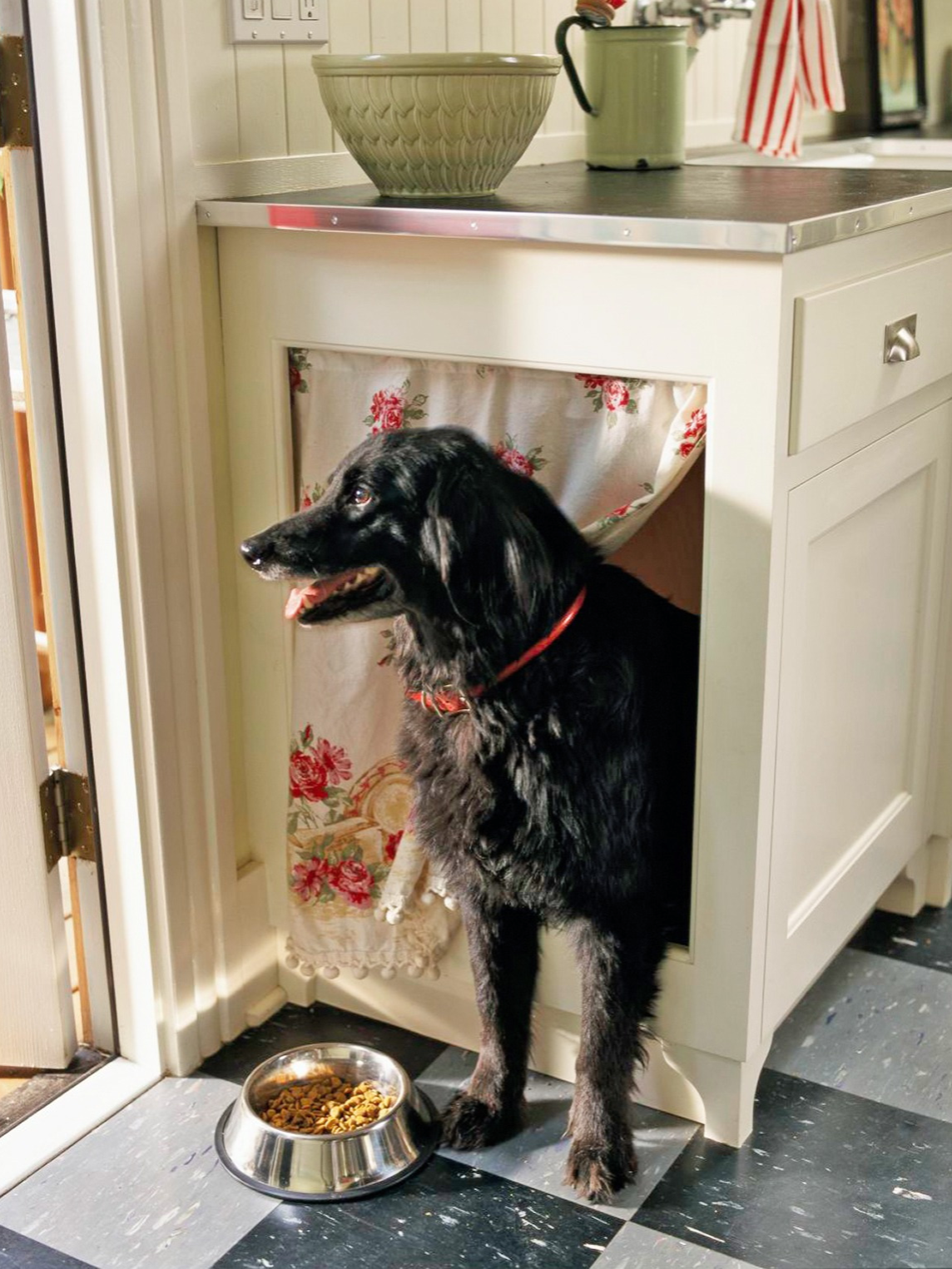
Cover the pet's cage.
Pet cages sometimes don't harmonize with the overall design of the house.
Instead of placing the cage in inconspicuous locations, you can use pieces of fabric in colors that match your home decor to cover it.
With a cat litter box and small cages, you can also hide it under the bench.
Ashley Darryl, an interior designer in Manhattan, shared a rather interesting idea. She placed a dog kennel under a shoe-changing bench. This way, when the door opens, the door conceals the kennel, preserving the home's aesthetics.
 |
| Photo: The New York Times |
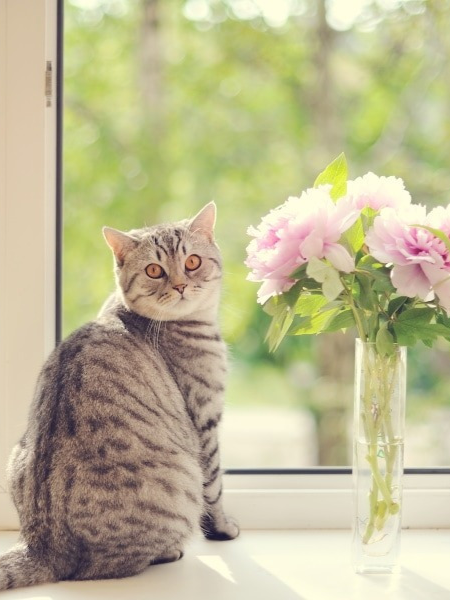
Use artificial flowers.
Some types of flowers and houseplants, such as lilies, chrysanthemums, and azaleas, contain toxins that are harmful to dogs and cats. If pets eat or swallow them, they can suffer from poisoning, digestive disorders, or even death.
Therefore, Michael San Filippo, spokesperson for the American Veterinary Medical Association, advises homeowners against decorating their homes with plants.
Instead, you should use artificial flowers to ensure your pet's safety.
 |
| Photo: The New York Times |
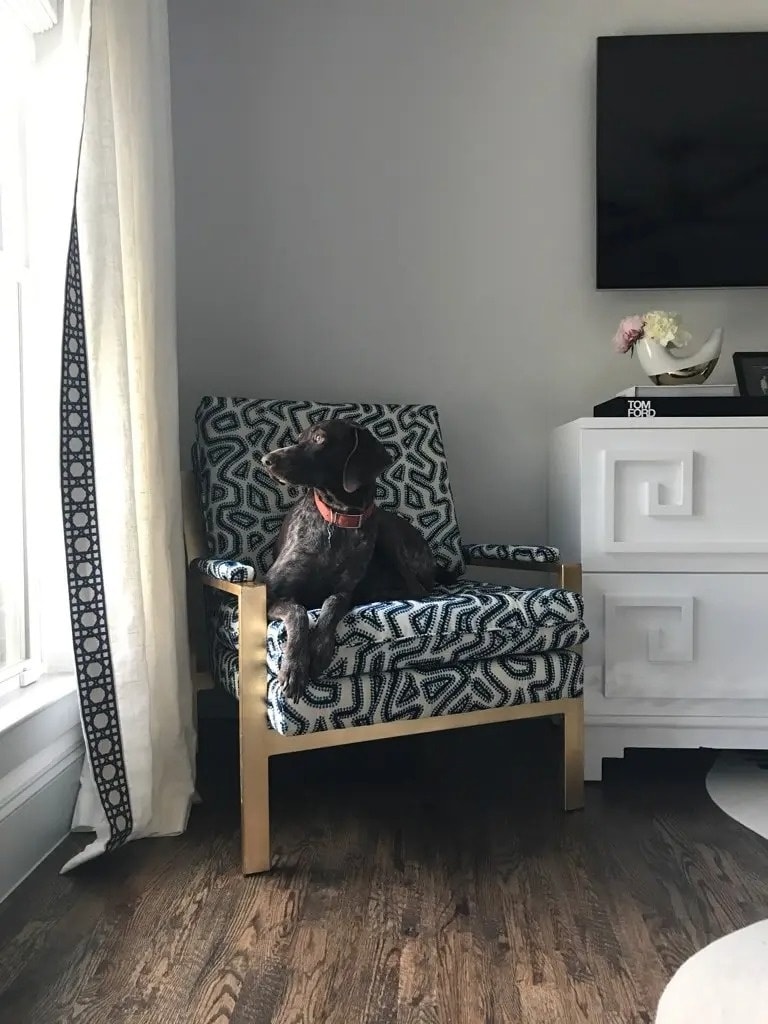
Choose furniture that matches the color of your pet's fur.
Instead of being a nuisance, pets can be a source of inspiration when you're designing your home.
Karen Ferguson, design director at Harrison Design, suggests that people choose a main color palette for their interior design based on their pet's fur color. This way, their fur will be less noticeable when it gets on furniture.
Karen also designed a rake that matched the color of the curtains. When she wanted to hide this bulky item, she simply pushed it behind the curtains.
 |
| Photo: The New York Times |
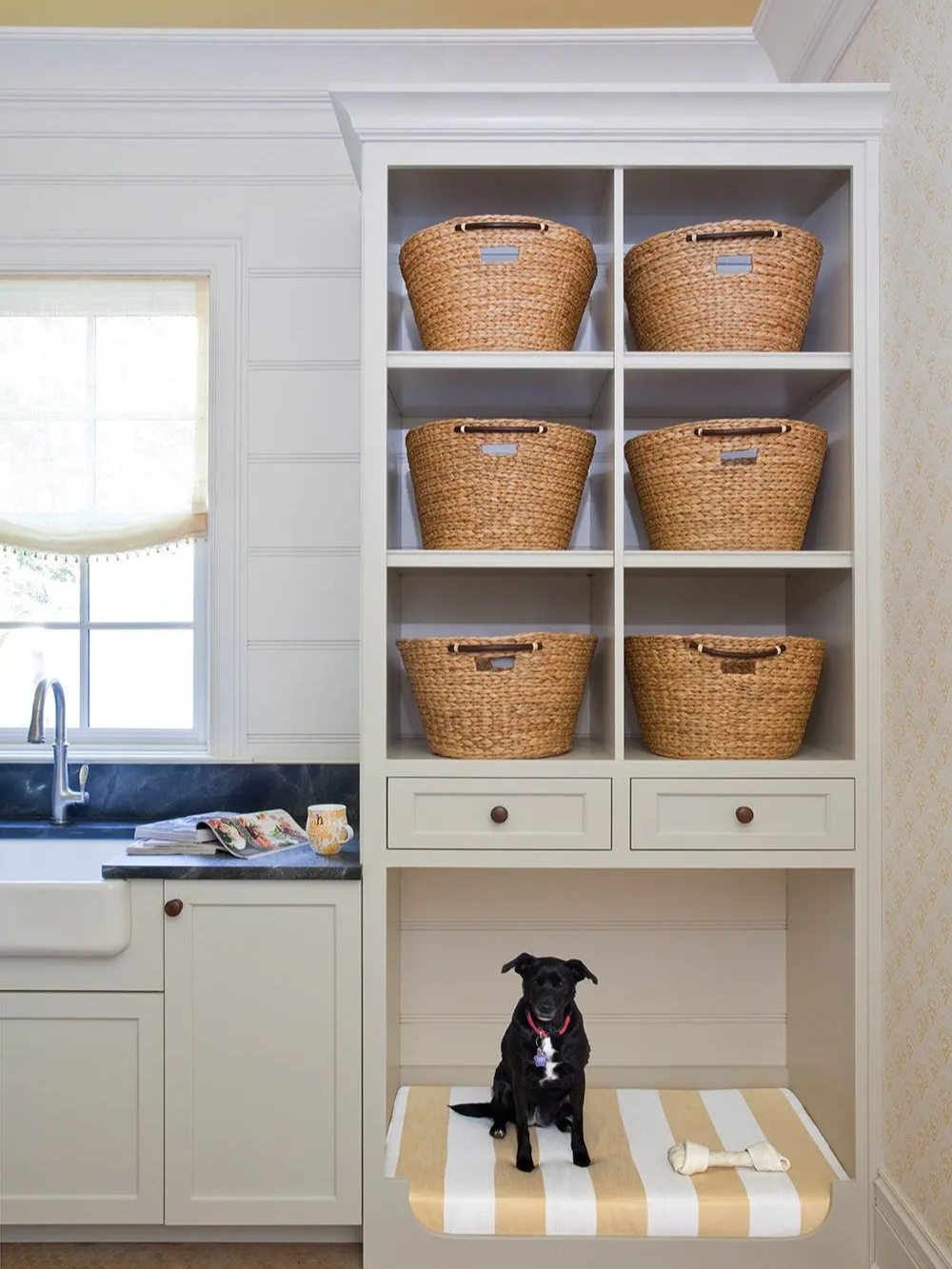
Integrated animal enclosure and interior
Pet cages can be integrated with other furniture to create a harmonious and seamless feel. For example, you can integrate the cage with a kitchen island or cabinets in the laundry room.
With this type of cage, you should design it to be simple and match the overall style.
Additionally, you can design a cat cage or litter box with a door that resembles a cabinet door. This will make it easier to blend in with the rest of the house.


