
7 unique health benefits of papaya leaves.
Papaya leaves contain unique plant compounds that have demonstrated broad pharmacological potential in in-tube and animal studies. Many preparations from papaya leaves (tea, juice, etc.) are commonly used.
7 potential uses of papaya leaves
Symptoms associated with dengue fever can be treated.
One of the most notable medicinal benefits of papaya leaves is their ability to treat some symptoms associated with dengue fever. While there is currently no cure for dengue fever, there are several treatments that can control the symptoms of the disease, one of which is papaya leaves.
Three human studies involving hundreds of dengue fever patients found that papaya leaf extract significantly increased blood platelet counts. Furthermore, papaya leaf therapy had very few associated side effects and was found to be far more effective than conventional treatments.
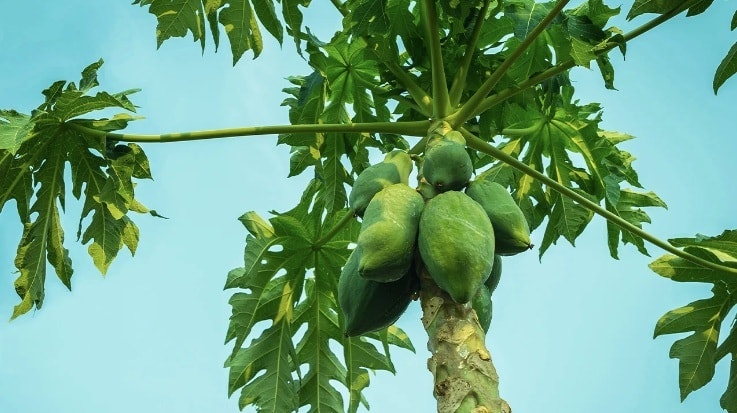
Numerous in-tube and animal studies have shown many potential health benefits of papaya leaves. Photo: Healthline
It can help promote blood sugar balance.
According toStyleline,Papaya leaves are commonly used in Mexican folk medicine as a natural remedy to treat diabetes and improve blood sugar control.
Studies on diabetic mice have found that papaya leaf extract has strong antioxidant and hypoglycemic effects. This is due to the ability of papaya leaves to protect insulin-producing cells in the pancreas from damage and premature death.
However, there is no scientific evidence to suggest that similar effects can occur in humans.
It may support digestive function.
Papaya leaf tea and extracts are often used as an alternative therapy to alleviate uncomfortable digestive symptoms such as bloating, gas, and heartburn. Papaya leaves contain fiber—a nutrient that supports healthy digestive function—and a unique compound called papain.
One study found that supplemental use of papain powder derived from papaya fruit reduced negative digestive symptoms, including constipation and heartburn, in people with irritable bowel syndrome.
It may have anti-inflammatory effects.
Many preparations made from papaya leaves are commonly used to address internal and external inflammation, including skin rashes, muscle aches, and joint pain. Papaya leaves are rich in nutrients and plant compounds with anti-inflammatory properties, such as papain, flavonoids, and vitamin E.
One study showed that papaya leaf extract significantly reduced inflammation and swelling in the feet of mice with arthritis. However, no studies on humans have confirmed these results.
It may help promote hair growth.
Papaya leaf masks and juices are often used to improve hair growth and scalp health, but evidence proving their effectiveness for these purposes is extremely limited.
Some studies suggest that high levels of oxidative stress in the body may contribute to hair loss. Eating foods rich in antioxidants may help reduce oxidative stress and subsequently improve hair growth.
It can promote healthy skin.
Papaya leaves are often used orally or topically as a way to maintain soft, clear, and youthful skin.
A protein-dissolving enzyme in papaya leaves called papain can be used topically as an exfoliant to remove dead skin cells and potentially reduce clogged pores, ingrown hairs, and acne.
Furthermore, enzymes in papaya leaves have been used to promote wound healing, and one study showed they minimized the appearance of scar tissue in rabbits.
It may have anti-cancer properties.
Papaya leaves have been used in traditional medicine to prevent and treat certain types of cancer, but modern research on this topic is still lacking.
Papaya leaf extract has demonstrated strong potential in inhibiting the growth of prostate and breast cancer cells in in-vitro studies, but neither animal nor human trials have been able to replicate these results.
How to make papaya leaf tea at home
Nowadays, there are many recipes using fresh leaves, dried leaves, or even combining them with other ingredients like lemon, lemongrass, etc.
Boil dried papaya leaves in water.
According to doctors at Vinmec Hospital, if fresh papaya leaves are unavailable, dried papaya leaves can be used to make a decoction by following these steps:
- Add about 2 liters of filtered water and dried papaya leaves to the pot.
- Bring the water to a boil, then reduce the heat and continue cooking.
- Cook the mixture until the amount of water is reduced by half.
- Filter out the pulp and then enjoy the tea made from dried papaya leaves.
Boil fresh papaya leaves with lemon.
Fresh papaya leaf juice is difficult to drink due to its bitter taste. Therefore, we can combine fresh papaya leaves with other ingredients to create a more delicious and palatable flavor.
How to do it:
- Wash 10 papaya leaves thoroughly and chop them into small pieces.
- Blend fresh papaya leaves with warm water.
- Filter the blended mixture using a sieve or cheesecloth.
- Then add some of the prepared lemon juice (from half a lemon).
- Add 2-3 tablespoons of sugar to the mixture of papaya leaf water and lemon juice; if you don't like sugar, you can use honey.
- Add about 240ml of filtered water if the mixture is too thick, then continue blending until smooth.
- Refrigerate the prepared papaya leaf tea until cool, then enjoy.
Boil fresh papaya leaves with lemongrass.
- Pour 2 liters of clean water into a pot, add 10 grams of dried lemongrass and 90 grams of papaya leaves, then bring to a boil.
- Once the water boils, reduce the heat and simmer for another 30 minutes.
- Turn off the heat, strain the papaya leaf water and drink it throughout the day.


