
7 types of herbs that help prevent and treat respiratory diseases.
Coughing, asthma, sore throat, bronchitis, etc., are common respiratory illnesses during hot, rainy weather.
In some cases, using natural herbal remedies as an alternative to antibiotics or cough medicine can be a safe and effective solution.
1. Kumquat
Kumquat, also known as calamansi, has long been valued as a highly nutritious fruit. Its composition contains many beneficial substances that help reduce the risk of many chronic diseases. According to Traditional Chinese Medicine, kumquat has expectorant and anti-inflammatory effects, treating coughs caused by cold and dampness, asthma, colds, runny noses, and coughs.
Kumquats can be processed into many forms for medicinal purposes:
Steamed kumquats with rock sugar or honey (very good for children): Take 2 ripe kumquats, cut them in half, put them in a bowl with a little rock sugar or honey, steam until cooked, mash them, let cool, and drink 3 times a day.
 |
| Steamed kumquats with rock sugar is a very effective remedy for respiratory illnesses. |
Kumquat, ginger, perilla leaves, steamed with rock sugar or honey: Cut 2 kumquats in half, chop about 10 perilla leaves, add 3 thin slices of ginger, steam together with a spoonful of honey or a few rock sugar granules, steam in a double boiler for 10 minutes. Drink the decoction while still warm, 2-3 times a day.
Candied kumquats: Take about 1kg of kumquats, choose evenly yellow ones, wash them thoroughly, slice them thinly, remove the seeds, and arrange them in a jar. Layer the kumquats with rock sugar, then seal the jar tightly until a thick, syrup-like solution forms. Mix with warm water, stir well, and drink. Chewing the peels as well helps to relieve coughs and clear the lungs.
Salted kumquats: Wash the kumquats thoroughly after purchasing them, then dry them in the sun for one day until the skin is slightly wilted. Place them in a large earthenware or glass jar. For every cup of kumquats, cover with 1/2 cup of clean salt, continuing in layers until the jar is full. Seal the lid tightly and leave it in the sun. When the kumquat juice seeps out, turning a golden yellow and the kumquats turn a yellowish-brown color, it's ready to use. Adding 50g of licorice root is even better. Salted kumquats are very effective in treating coughs, asthma, and wheezing.
2. Thick-leaved fig
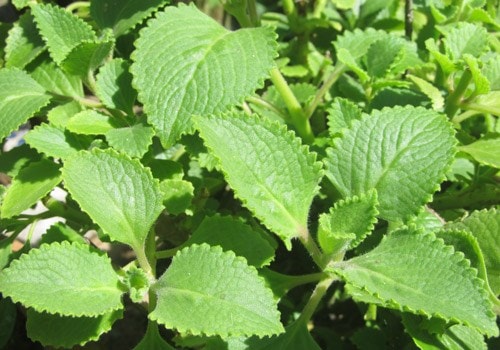 |
Also known as hairy mint, it is commonly used to season sour soups. The leaves can be harvested year-round, usually fresh, and should be picked as needed, preferably during dry weather. Mint contains carvacrol essential oil and a red pigment called colein, both of which have strong antibiotic effects against certain bacteria, especially in the throat and nose.
According to traditional medicine, perilla leaves have the effect of clearing heat, detoxifying, benefiting the lungs, eliminating phlegm, relieving colds, and inducing sweating. Consume fresh leaves (5-10 leaves) daily, either alone or in combination with other herbs such as ginger, mint, tea tree, perilla, and lemongrass.
A simpler method is to chew it raw with a little salt, crush it to extract the juice and drink it, or steep it in boiling water; it can also be steamed with kumquat, tangerine peel, ginger, and rock sugar to treat coughs, sore throats, hoarseness, colds, and runny noses. For children with coughs due to sore throats in cold weather, take 4-5 leaves, chop them finely, steam them in a bowl with a few grains of rock sugar, then give the child the liquid to drink in small amounts throughout the day.
3. The plant known as "thuốc dòi" (literally "wormwood")
Also known as the "bug worm" plant, it is used to treat colds, coughs, and sore throats. Use about 8-16g of dried leaves (50g of fresh leaves), boil them in water, and give the decoction to children to drink daily.
4. Perilla leaves
Boil 10g of perilla leaves or seeds in water and drink the resulting decoction to treat wheezing coughs in young children.
5. Ginger
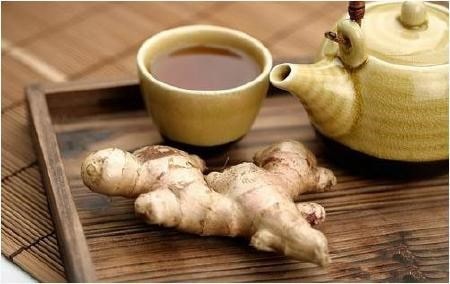 |
When experiencing uncomfortable symptoms such as a sore throat, persistent cough, and chest pain, try drinking 1-2 cups of warm ginger tea with a little lemon juice and honey. This will ensure your cold symptoms disappear quickly thanks to ginger's anti-inflammatory, cough-relieving, throat-cleansing, and warming properties.
6. Melaleuca
Melaleuca leaves have a spicy taste, a warm nature, and a pleasant aroma. They are used to induce sweating, reduce coughs, eliminate dampness, and relieve pain. Fresh branches and leaves are often brewed or steeped in boiling water at a dose of 20g per liter to treat symptoms such as runny nose, sneezing, nasal congestion, headache, fever, body aches, cough with phlegm, and indigestion.
7. Lemongrass
Traditional folk remedies often mention the benefits of lemongrass tea, which is said to treat colds and coughs by combining young lemongrass leaves, honey, pepper, cinnamon, lemon juice, and mint leaves. This mixed lemongrass tea clears the nasal passages and throat, making breathing easier, keeps the body warm, and effectively soothes coughs.
According to Alobacsi.vn


