
7 types of food you should eat in winter
Consuming the best winter foods will not only boost your immune system but also provide your body with ample energy during the cold winter months.
Winter is a wonderful season with many fun activities and breathtaking natural scenery. However, it's also the season for many illnesses, including the flu and colds, which is why one of the most important things to do during this time is to boost your immune system.
Try alternating your intake of these 7 best winter foods to boost your immune system and keep your body energized during the cold winter months.
Pomegranate
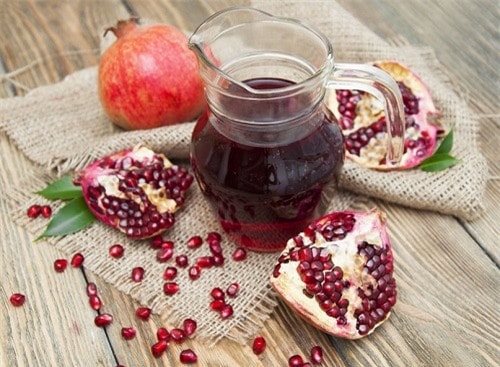 |
Who doesn't love the perfect balance of sweet and tangy flavors in a juicy red pomegranate? Pomegranates are one of the most popular and healthy foods you should incorporate into your diet plan.
You can eat pomegranates on their own or add them to other nuts, mix them with yogurt, eat them in a salad, or simply juice them. Drinking a glass of pomegranate juice in the morning will help meet your body's potassium needs and help your body kickstart its metabolism perfectly.
Half a cup of pomegranate seeds contains 70 calories, 3.5 grams of fiber, and 16 grams of carbohydrates, as well as B vitamins and folate. Pomegranates are also rich in antioxidants, which may help prevent some types of cancer, including prostate and breast cancer. Additionally, pomegranates may help reduce the risk of developing heart disease.
Kiwi
Kiwi is an excellent source of vitamins A, C, and K. It's also high in fiber and potassium, and low in calories (a small kiwi contains 40 calories). Kiwi helps boost your immune system and is especially good for your heart and eyes.
Many people may not like kiwi on its own, but when mixed with yogurt or eaten in a salad, you'll find the combination tastes much better.
Citrus fruits
From grapefruit, oranges, and tangerines to lemons, it's easy to find your favorite citrus fruit. Eat plenty of them in the winter. Citrus fruits are one of the richest sources of Vitamin C, Potassium, and Folate. They also have strong anti-cancer properties due to their high flavonoid content.
Adding a slice of lemon to tea or plain water, or a squeeze of orange to a fruit salad, will make the dish taste much fresher. Or, alternatively, juice them to reap all the benefits of citrus fruits.
However, if you are taking any prescription medications, avoid eating grapefruit (especially grapefruit juice), as it may cause drug interactions and complications. Consult your doctor for more information.
Peach
 |
Persimmons are one of the best foods to eat in winter. If you don't like eating persimmons the traditional way, you can blend them into a smoothie or dice them to make a fruit salad. Persimmons are high in sodium, which is good for diets that require plenty of fiber, potassium, calcium, magnesium, manganese, and iron.
Persimmons also contain some fat and protein, as well as plenty of vitamin C and vitamin A, which are good for the body.
Cinnamon
Cinnamon is a very popular spice in winter. It's a wonderful suggestion of warmth and aroma. You can use it to give cookies, pastries, cakes, puddings, and smoothies a distinctive and appealing flavor. You can also add cinnamon to your favorite drinks like hot chocolate, tea, and wine.
Cinnamon helps boost the immune system, improve brain function, and is good for cardiovascular health. It contains essential oils with strong antibacterial and anti-inflammatory properties. Furthermore, cinnamon contains calcium, manganese, fiber, iron, flavanols, and antioxidants that help prevent cancer.
Beans
This winter, consider incorporating more legumes into your meals to stay healthy and energized. Legumes contain essential nutrients like protein, fiber, iron, zinc, calcium, and B vitamins that can help reduce the risk of developing cancer and heart disease. Using them in your winter stews and soups will make them more nutritious and delicious. Legumes can also be a good and healthier alternative to meat.
Sweet potato
When eaten in moderation, sweet potatoes are a perfect winter food. Sweet potatoes contain powerful antioxidants, including beta-carotene, which helps prevent cell damage in the body and reduces the risk of skin, lung, and prostate cancer. In addition, eating sweet potatoes can help with bowel movements. Sweet potatoes also contain carbs, fiber, iron, potassium, vitamin B6, and several other essential nutrients.
You can prepare many dishes from sweet potatoes: baked, fried, boiled, sweet potato soup, sweet potato dessert, stuffed sweet potatoes... There are many easy, delicious, and quick recipes for preparing sweet potatoes.
According to Alobacsi.vn


