
8 standard regulations regarding the correct sitting posture for drivers.
(Baonghean.vn) - The correct sitting posture while driving a car is also very important; it helps drivers react quickly to any situation and avoid fatigue after long journeys. To maintain the correct sitting posture, drivers need to adhere to the following principles.
1. Sitting posture
To avoid back pain, you need to adopt the correct sitting posture, with your buttocks and back at a right angle, fully supported by the driver's seat. Sitting in the correct posture also helps you maintain alertness throughout long journeys.
2. Seat spacing
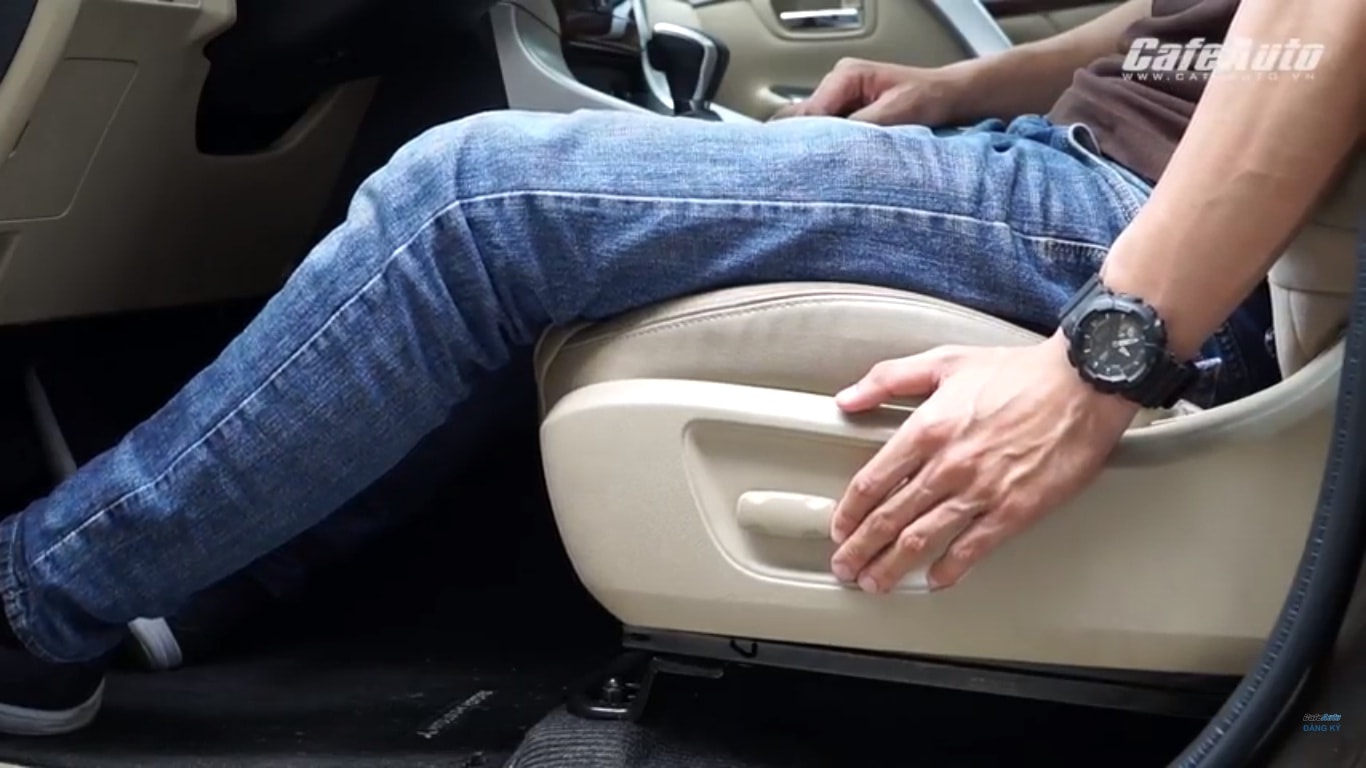 |
Adjust the distance so that when you release the pedal, your knee bends at approximately 120 degrees. To double-check, start the car and press the brake pedal a few times and observe the angle of your knee.
If you straighten your back too much, meaning you're sitting too far back, it can reduce your feel for the pedals and cause fatigue. If you fold your back at a 90-degree angle, the seat is too close; you need to adjust it to avoid leg fatigue and for greater safety in collisions on the road.
3. Seat tilt
The correct driving posture involves the seat back parallel to the steering column. However, you can adjust the angle within a range of 95-110 degrees. To check if the seat tilt is correct, place your wrist at the highest point on the steering wheel; if it feels comfortable while maintaining a stable driving posture with your back resting against the seat back, then you've done it correctly.
4. Steering wheel height
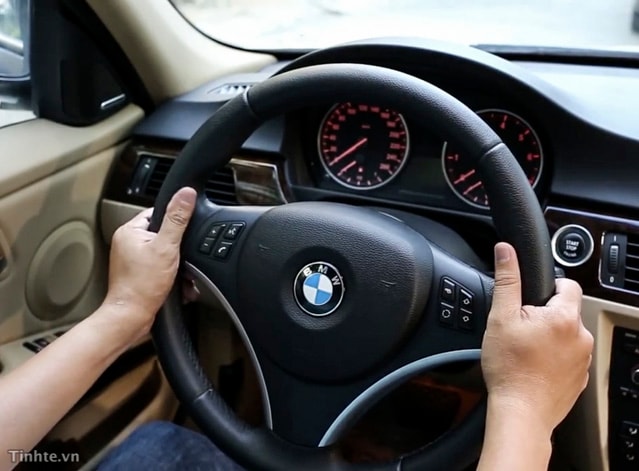 |
The steering column height should be adjusted to be parallel to the angle of the seat back to help the driver easily see the instrument panel, and also to allow the driver to comfortably grip the steering wheel with their hands lower than their shoulders, positioned at the 3 o'clock and 9 o'clock positions.
You also need to pay attention to adjusting the steering wheel distance by observing whether your elbows are bent at a 120-degree angle when gripping the steering wheel.
5. Seat height
Adjusting the seat height helps you see ahead more easily, preventing neck strain and unfortunate accidents on the road, while still maintaining good visibility of the dashboard.
Typically, for a comfortable driving position, the appropriate height allows you to place the width of your hand between your head and the car's ceiling.
6. Headrest
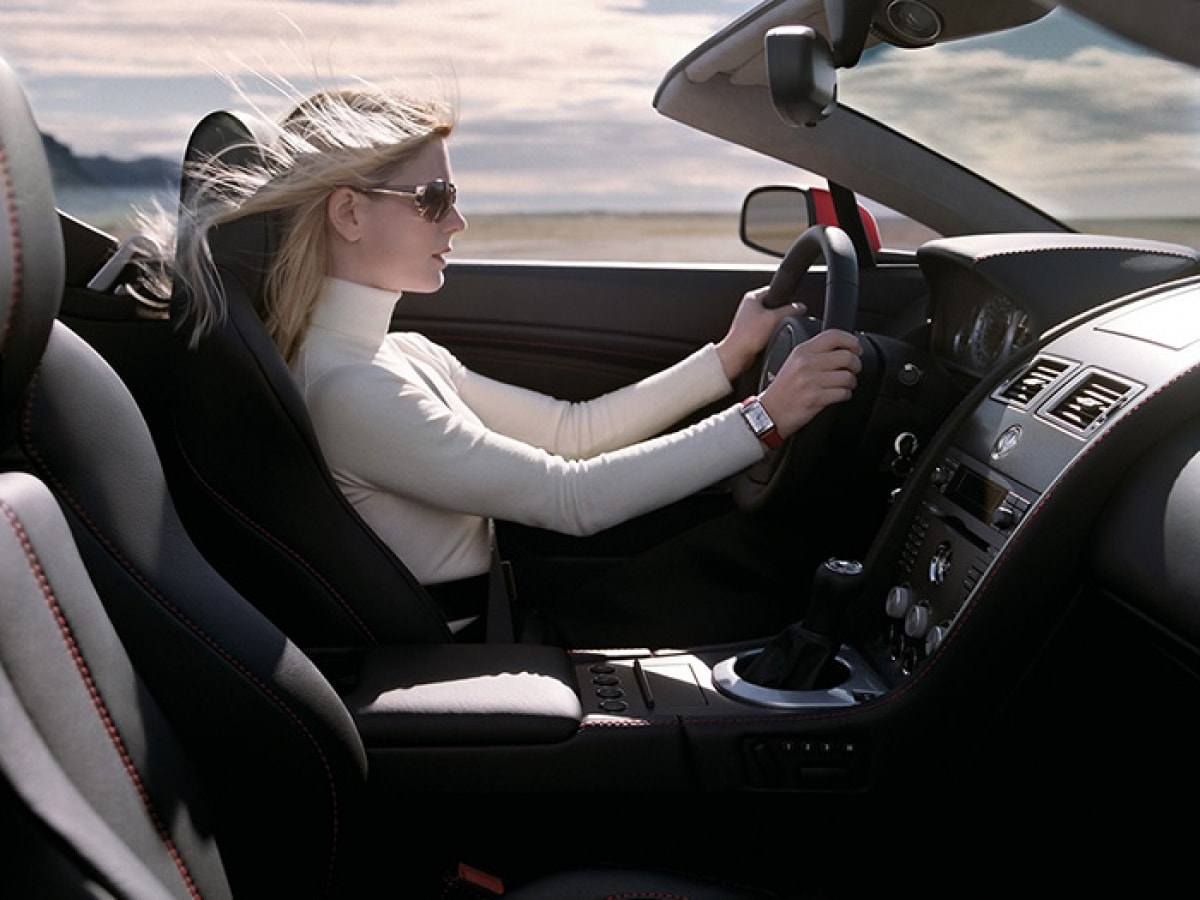 |
Ideally, the headrest should be adjusted higher than the eyelids and kept 2-3cm away from the head. If this distance cannot be achieved, the seat back angle should be adjusted to ensure a comfortable driving position.
When driving, you should also keep your head slightly forward and maintain the correct distance to avoid the risk of neck injury from being too far away.
7. Fasten your seatbelt correctly.
 |
To minimize impact in an accident, both the driver and passengers must wear seat belts. So, how do you fasten a seat belt correctly? Basically, the seat belt should be fastened across the shoulders and under the abdomen, not pulled too tightly, causing strain on the stomach.
8. Check your vision.
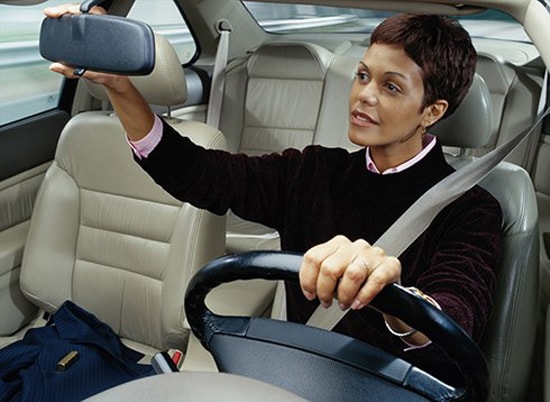 |
Adjust your rearview mirrors so that your line of sight is in the middle or upper half of the mirror. Keep your eyes looking upwards, not downwards; looking upwards and further away allows the driver to observe more situations. Additionally, the mirrors should provide a view of both the rear and sides of the vehicle.


