
8 foods that eliminate toxins from the intestines
The gut plays a crucial role in the body's survival, so choosing the right foods for a healthy gut is something everyone cares about.
1. Brown rice
Brown rice is rich in protein, fiber (twice as much as white rice), minerals, and vitamins B1, B2, and B3. It also boosts the body's immunity, cleanses blood vessels, improves blood circulation and metabolism, aids digestion, and cleanses the intestines.
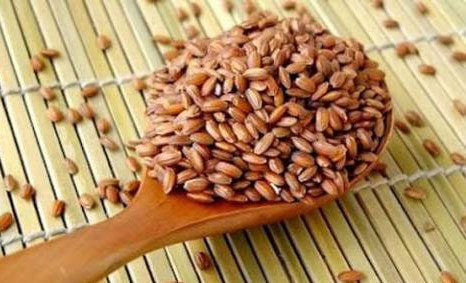 |
Studies have shown that eating more brown rice helps the body eliminate toxins, balance blood sugar levels, prevent high uric acid levels, and prevent constipation.
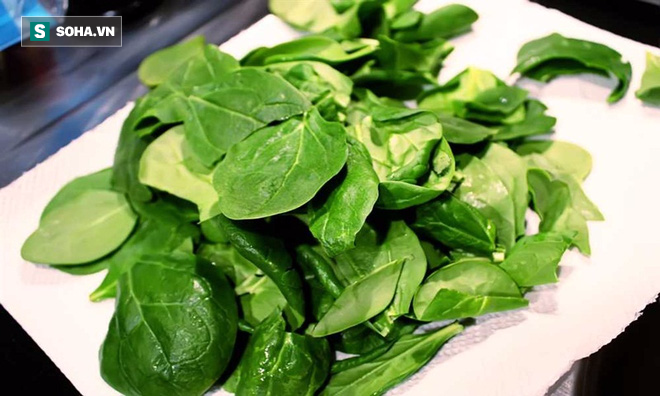
2. Spinach
Spinach can help cleanse toxins from the stomach, prevent constipation, and improve skin health. Spinach leaves contain insulin, which helps stabilize blood sugar levels.
Spinach is rich in vitamins, so it can prevent certain diseases such as angular cheilitis, night blindness, or supplement the body with essential vitamins.
Spinach also contains a large amount of antioxidants, which have anti-aging effects, promote cell growth, stimulate brain activity, boost vitality, and prevent brain aging.
 |
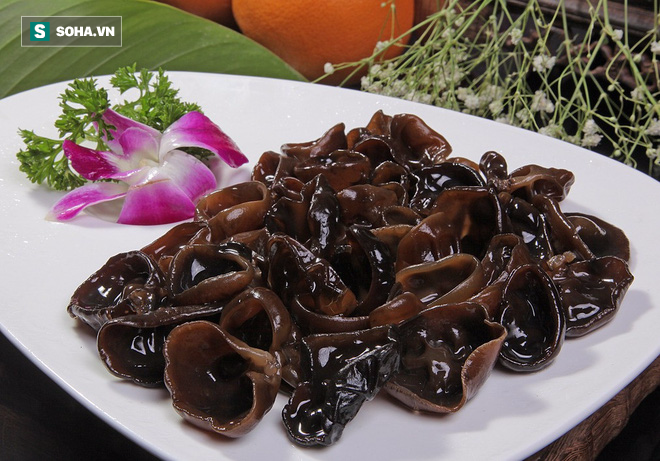
3. Black fungus
Black fungus has the effect of tonifying qi and promoting blood circulation, helping to filter out toxins in the blood. The plant-based gelatin contained in black fungus can absorb harmful substances and cleanse the intestines.
In addition, wood ear mushrooms can break down indigestible substances such as wood dust, sand, and metals accumulated in the body. For gallstones and kidney stones, wood ear mushrooms can also help dissolve them.
 |
4. Seaweed
Traditional Chinese medicine experts have indicated that seaweed is an alkaline food, rich in iodine, which can promote the metabolism of triglycerides in the blood.
Seaweed also contains sulfated polysaccharides, which can remove cholesterol buildup on the walls of blood vessels, maintaining cholesterol levels within acceptable limits.
In addition, seaweed contains alginate, which helps increase mucus production in the intestines, eliminating toxins and preventing the body from absorbing heavy metals such as lead and cadmium.
Seaweed also has the ability to remove radioactive elements from the body, helping to treat atherosclerosis and prevent constipation.
 |
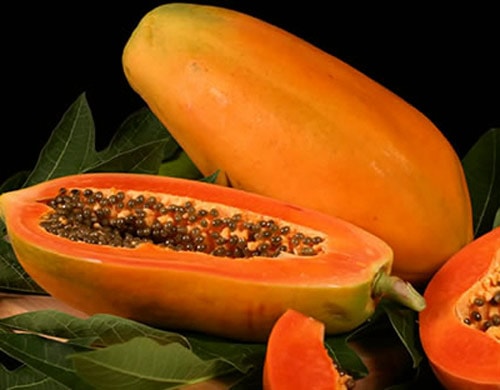
5. Papaya
Papain and chymopapain, found in papaya, are considered protein-digesting enzymes that can lower blood fat, promote bowel movements, and improve digestion.
 |
However, if you want to eat papaya, you should only eat it 1-2 hours after a meal; eating papaya immediately after a meal is not good for your stomach.
6. Apples
Foreigners have a proverb: "An apple a day keeps the doctor away." The most noticeable effect of apples is that they help promote the elimination of toxins from the intestines – the galacturonic acid and pectin content in apples can reduce toxins in the body.
Its soluble fiber and rich vitamin content help prevent constipation, promoting healthy bowel function.
Apple peels are rich in antioxidants that help slow down the aging process, so it's best to eat apples with the peel on.
 |
7. Yogurt
Yogurt is not only rich in calcium, but it also contains beneficial bacteria that help balance the gut microbiota, stimulate bowel movements, and reduce digestive problems.
However, it's important to note that fruit-flavored yogurts or yogurts diluted into drinks are not as good as regular yogurt.
 |
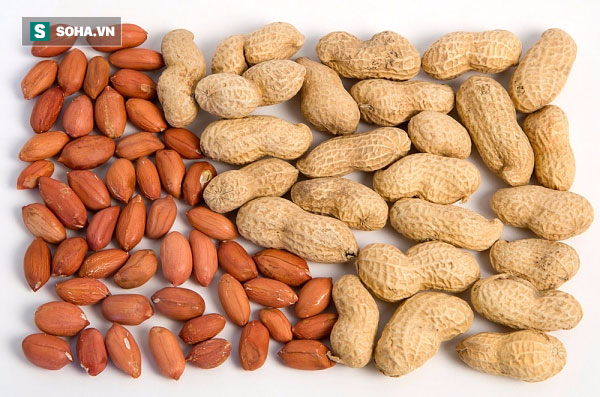
8. Peanuts
Scientific research has proven that peanuts are very beneficial for the intestines. This is because peanuts contain a lot of useful cellulose, which has a laxative effect.
In addition, phytic acid and plant sterols found in peanuts also help to increase intestinal elasticity.
 |
According to Young Knowledge
| RELATED NEWS |
|---|


