Carrots, pumpkins, broccoli, almonds, and chia seeds... are effective foods for skincare in winter, helping to keep skin smooth, radiant, and preventing dryness, cracking, and peeling.
 |
Carrot:According to Reader's Digest, the antioxidant beta-carotene, a precursor of vitamin A found in carrots, is not only good for the eyes, but it also boosts immunity and benefits the skin. Carrots also contain lycopene, which can protect the skin against harmful UV rays. Researchers have found that beta-carotene is absorbed more effectively through cooking, so you can steam, blanch, or stew carrots instead of eating them raw. |
 |
Pumpkin:Like carrots, this winter food is rich in beta-carotene, which helps the body produce sebum that keeps skin and hair hydrated, preventing dryness. Pumpkin is also rich in vitamin C, potassium, and fiber. |
 |
Kale:With its ability to withstand frost, kale is a readily available food throughout the winter. This leafy green vegetable is packed with nutrients beneficial for the skin, such as vitamins A, K, and C, as well as potassium, calcium, and magnesium. In particular, the vitamin C in kale helps strengthen collagen fibers, resulting in firmer skin. (Image: Wellnessmagazine) |
 |
Broccoli:This cruciferous vegetable is a natural source of glucoraphanin, a compound that helps regenerate and repair skin. Vitamins C and E in broccoli protect the skin against cellular damage, while vitamin B helps brighten the complexion. |
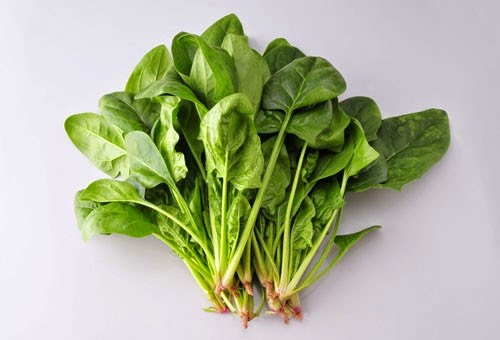 |
| Spinach:In addition to its nutritional value, spinach is rich in folate, a type of B vitamin that promotes cell repair and reduces the appearance of age spots and wrinkles. |
 |
Salmon:Rich in omega-3 fatty acids, salmon helps moisturize and soften the skin. It's also a good source of selenium, which protects the skin against oxidative damage, improves elasticity, and reduces inflammation, making it especially beneficial for those with acne. |
 |
| AlmondIt is a food rich in zinc, iron, folic acid, and vitamin E, promoting radiant skin. Zinc is beneficial for acne-prone skin, while vitamin E nourishes the skin from within, fights free radicals, and promotes cell regeneration. |
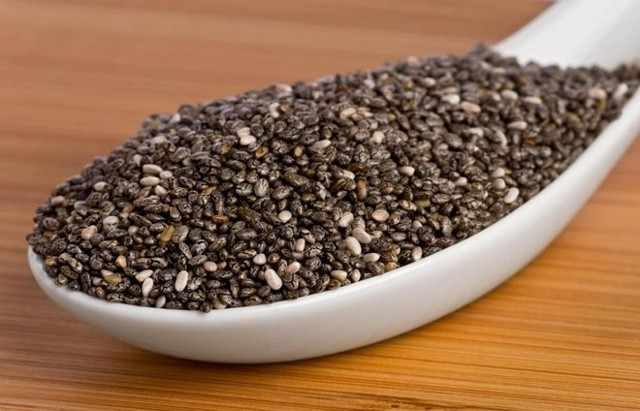 |
| Chia seedsContaining two essential fatty acids, alpha-linolenic acid (omega-3) and linolenic acid (omega-6), chia seeds have anti-inflammatory properties, enhance skin regeneration, and help keep skin looking youthful. |
According to Zing



