
Doctors warn of risks when using the 'miracle cure' Mú Từng (a type of herb).
(Baonghean.vn) - Recently, in Nghe An province, there have been many cases of people being poisoned after using the Mú Từn plant to enhance sexual health and treat illnesses. According to doctors and traditional medicine practitioners: Any advice on whether or not to use Mú Từn is unfounded.
Poisoning from the sea cucumber can be fatal.
On July 14th, the Quy Chau District Health Center received a patient suffering from poisoning after drinking water boiled from a plant.Mu TunThe patient is Mr. Lim Van X., residing in Ke Ninh village, Chau Hanh commune, Quy Chau district.
Information gathered from family members revealed that patient Lim Van X. had been suffering from joint pain for a long time, and for the past week, he had been boiling fresh Mú Từn plant to make a drink to treat his condition. At 1:20 AM on July 14th, while sleeping, patient Lim Van X. suddenly woke up, muttering incoherently, and then became agitated, experiencing psychotic episodes and violent outbursts.

Previously, on June 25th, also in Quy Chau district, a case of mú từn poisoning occurred. According to reports, after returning from work, Ms. Vi Thi X. - wife of Mr. Vi Van T. (residing in Xang Coc village, Chau Binh commune) - boiled dried mú từn with 2 liters of water, and both husband and wife drank it. About 10 hours after drinking, both husband and wife experienced symptoms such as headache, dizziness, nausea, and unsteadiness.
On the morning of June 26th, Mr. Vi Van T. and his wife were taken by their family to the Quy Chau District Health Center for emergency treatment. After receiving care and treatment from the doctors, the aforementioned symptoms of both husband and wife subsided. However, due to the significant amount of alcohol consumed, the wife remained in a state of psychosis and was unable to control her behavior. The Quy Chau Health Center transferred this patient to the Nghe An Psychiatric Hospital for further treatment.
Rourea oligophlebia Merr, also known as the "mu tun" tree, belongs to the Caryophyllaceae family. In Vietnam, it grows in some mountainous areas of Tuyen Quang, Yen Bai, Thai Nguyen, Nghe An, and Thua Thien Hue provinces. According to folk medicine, the "mu tun" tree is a medicinal herb used to treat several ailments: joint pain, erectile dysfunction, improved digestion, and hemostasis.
Several scientific studies have shown that the plant *Morus alba* contains various active compounds such as Neral (antibacterial), Nerolidol (inhibits cancer cell growth), Spathulenol (antioxidant and improves iodine absorption in the thyroid gland), Rourea Minor (releases insulin and lowers blood sugar)... However, not all of these substances are beneficial to health. In particular, Spathulenol, found in *Morus alba*, can cause damage to internal organs if absorbed in large quantities.
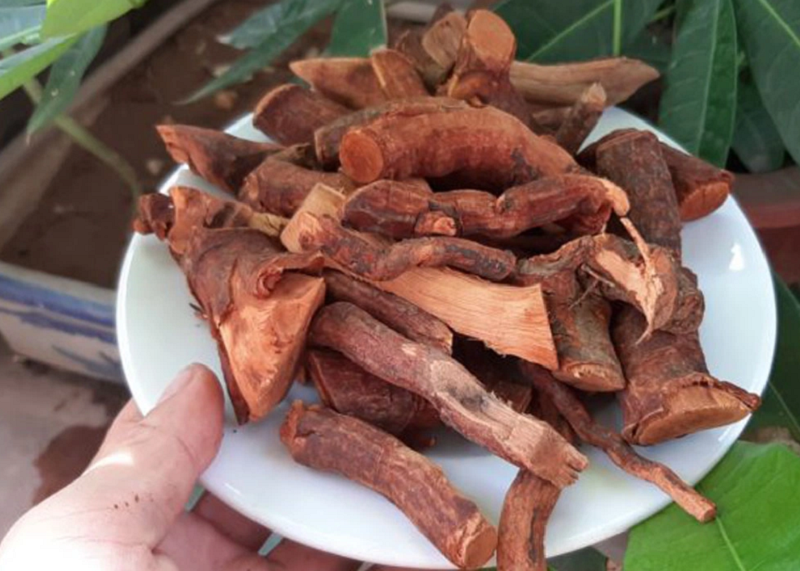
In addition, scientists have found salicylate in the roots of the Mú Từn plant. This is a type of painkiller found in many natural herbs and can be used to treat pain; however, it has a certain toxicity if the dosage and method of use are not properly controlled. Salicylate poisoning can lead to serious health consequences.
Although there are no specific statistics, the reality shows that many cases of poisoning from the plant known as "mu tun" occur annually in Nghe An province. At the Toxicology Department of Nghe An Friendship General Hospital alone, excluding mass poisoning incidents involving many people, approximately 15-20 individual poisoning cases are treated each month. Of these, poisoning from herbal-infused liquors (containing various plants of unknown origin or the "mu tun" plant) accounts for the majority.
According to Dr. Nguyen Van Thuy, Head of the Toxicology Department: Mú từn poisoning is similar to ethanol poisoning, causing numerous mental and physical disorders. Patients experience dizziness, nausea, tinnitus, convulsions, coma, high blood pressure, brain and kidney damage, and are very susceptible to death… At the hospital, there have been cases of very severe mú từn poisoning that required transfer to a higher-level hospital, but the patients still suffered brain death.
In the Thai ethnic language, "mu tun tree" means "crazy pig tree." Elderly Thai villagers and community leaders share that the reason for this unusual name is that in the past, when villagers saw pigs eating this plant, they became intensely aroused, constantly breaking out of their pens to roam freely and seek mating. Seeing the plant's effect on animals, the villagers tried soaking its stem and roots in alcohol and drinking the resulting concoction, which indeed had a libido-enhancing effect.
Beware of this "double-edged sword".
Folklore and scientific studies have shown that the Mú Từn plant is a valuable medicinal herb. However, this herb contains certain toxins, and improper use or excessive dosage can cause poisoning and seriously affect health.
Traditional medicine practitioner Nguyen Thanh Nhan - Chairman of the Traditional Medicine Association of Cua Lo town, who directly "experimented" with the effects of the Mu Tun plant on himself, recounted: "Quite a while ago, I bought dried Mu Tun stems and roots to soak in alcohol. Using this infused alcohol, I found it to have many good effects such as improving sexual health and relieving aches and pains in the joints..."
When I bought it, the seller told me that the plant should only be steeped in alcohol, not brewed into a decoction. However, thinking that if this herbal remedy was so effective when steeped in alcohol, then brewing it would have a more direct effect, I tried brewing it and only used a small cup each day. However, after 5-6 days of use, I experienced symptoms of plant poisoning such as high blood pressure, paranoia, neurological disorders, and motor disorders. I had to be hospitalized for emergency treatment.
After this extremely dangerous "experiment," traditional medicine practitioner Nguyen Thanh Nhan became very cautious in using and selling this medicinal herb to those who needed it.
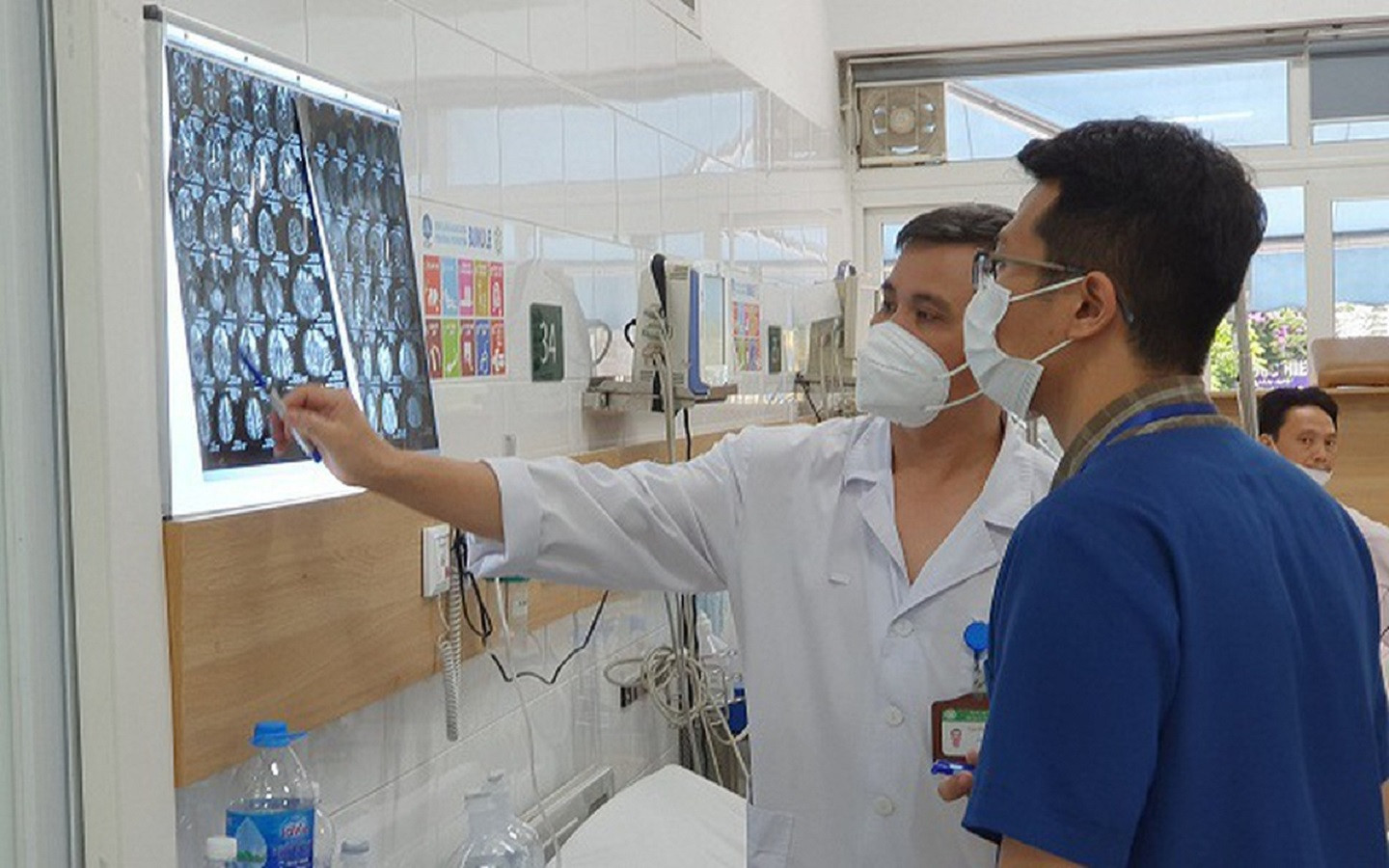
According to Dr. Bui Thanh Hai, Specialist II of the Nghe An Traditional Medicine Association: The Mú Từn plant is found quite abundantly in the mountainous areas of Northwest Nghe An. To date, apart from a few small studies analyzing its chemical components, there have been no studies on its medicinal properties. Therefore, advice or recommendations on whether or not to use this plant are completely unfounded. The necessary approach to dealing with the Mú Từn plant requires extreme caution regarding potential risks.
People need to be aware that any herbal remedy is a double-edged sword. It's beneficial when used correctly and in the right dosage; however, it's very dangerous if used incorrectly, in excessive amounts, or abused. Currently, a common practice is to use herbs to make liniments for massage or for oral consumption. Many people use herbs without much knowledge about them, simply believing they are beneficial or only knowing their potential drawbacks without understanding the potential harm. To ensure safety when using herbs, people should consult with doctors and herbalists.
Dr. Bui Thanh Hai, a specialist in internal medicine, also stated: If we consume herbal liquors in general, and Mu Tun liquor in particular, indiscriminately and recklessly, "drinking to the point of death," it can easily lead to poisoning, affecting the health and lives of ourselves and our loved ones.


