Lesson 1: Closing the Green Production Chain
Recognizing that investing in organic agricultural production is an inevitable trend, meeting stringent international standards, self-sufficient farms have emerged in Nghe An province, from production to finished product, supplying raw materials to a chain of factories and stores. Furthermore, these models directly deliver products to consumers, minimizing costs, increasing the value of agricultural products, and maximizing profits.
.png)
Thu Huyen - Hoai Thu
31/07/2024
.png)
In reality, within the agricultural production chain, ensuring clean products reach consumers depends significantly on the availability of raw materials. Currently in Nghe An province, the trend of developing clean raw material areas, especially for farms and agricultural production models following organic, VietGAP, and GlobalGAP standards, is becoming increasingly widespread. Notably, there are now businesses in the province that are producing organic products and have been certified by relevant authorities as meeting these standards.
An agricultural production business certified as meeting organic production standards is equivalent to meeting the standards for exporting products to demanding markets around the world. A common characteristic of businesses and organizations producing and trading organic and clean agricultural products is their priority in building and maintaining clean raw material areas and clean production processes. One such business in Nghe An is Sunmart farm of Hung Cuong Co., Ltd., located in Thai Hoa town.
.jpg)
We had the opportunity to learn firsthand and exchange ideas with Mr. Pham Van Hong, an agricultural engineer who has been invited by Hung Cuong Co., Ltd. to be a technical expert in charge of production at the Sunmart farm for over 3 years. Sharing about the process of transforming the "difficult land" in Nghia Thuan commune, Thai Hoa town, into an organic farm, Mr. Hong said that it was a long process of perseverance from the company as well as each worker. Mr. Hong holds a master's degree in agricultural production, has taught at the Agricultural Academy, and has worked for many years as a technical expert in charge of clean vegetable farms for large domestic corporations.
“My opportunity came to Nghe An when I met and witnessed the dedication and determination of the owner of Sunmart farm, and I accepted the offer to come to Thai Hoa town. Initially, it was very difficult, as this area was barren land due to years of sugarcane cultivation, coupled with sandy loam soil that became muddy in the rain and dry and barren in the sun. The entire farm invested nearly 800 truckloads of soil to raise the ground level and added organic fertilizer and coconut fiber to reduce stickiness and create more loose soil. We worked and improved each area in a phased manner, and after more than 3 years, the farm's land level was finally stabilized enough for large-scale production on a total of 10 hectares,” said engineer Pham Van Hong.
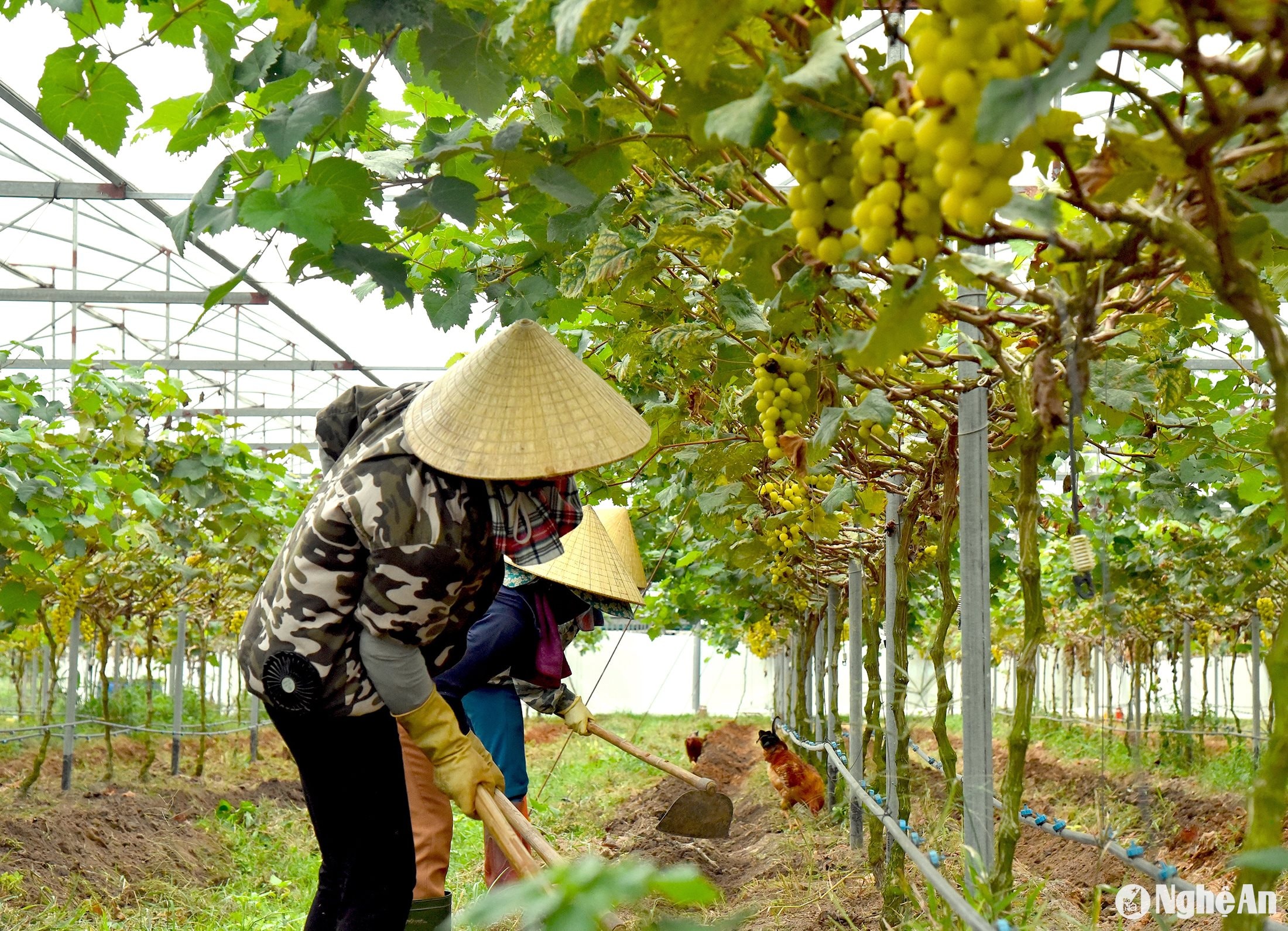
To ensure product safety and maintain its commitment to organic production, Sunmart Farm combines livestock farming and crop cultivation to create a circular system of input materials for plant and animal feed. Specifically, livestock waste by-products are composted to create fertilizer for plants, while crop by-products are used as animal feed. In addition, the farm raises earthworms, purchases manure from large farms for composting, and buys coconut fiber to support seasonal production. To minimize the use of pesticides and move towards organic production, the farm implements pest management from land preparation and treatment to seed treatment, avoiding monoculture of a single crop in one area and only purchasing plant seeds from reputable sources.
In particular, according to Mr. Hong, a crucial step in agricultural production is regular field inspection to promptly detect disease outbreaks and take thorough remedial measures. To do this, field inspectors need knowledge of disease sources affecting each crop to detect them in a timely manner. To repel, limit, or eliminate harmful insects, farmers can use biological pest control products or make biological traps. If using biological pesticides, farmers must adhere to usage guidelines, correct dosage, and quarantine periods.
In reality, large corporations and businesses investing in agricultural production prioritize building clean raw material areas. Building a clean raw material area is difficult, but maintaining its quality is even more challenging. However, achieving this makes subsequent stages such as cultivation, processing, and even marketing the product much easier.”
Mr. Pham Van Hong
In Nghe An province, besides Hung Cuong Co., Ltd., many other businesses have chosen organic production and have gradually gained a foothold in the market, even expanding globally, such as the organic dairy farm of Vinamilk Group, the farms of TH Group, Hai An Co., Ltd. (Do Luong)...
The government has directed the implementation of organic production through Decision No. 885/QD-TTg dated June 23, 2020, of the Prime Minister approving the Project on the Development of Organic Agriculture for the period 2020-2030. In line with this policy, the People's Committee of Nghe An province is also finalizing and issuing the Project on the Development of Organic Agriculture in the province for the period 2022-2030. The draft project has been sent for comments from relevant ministries and agencies, and 21 districts, cities, and towns. Based on the feedback from various departments, the Department of Agriculture and Rural Development has incorporated it to finalize the project.
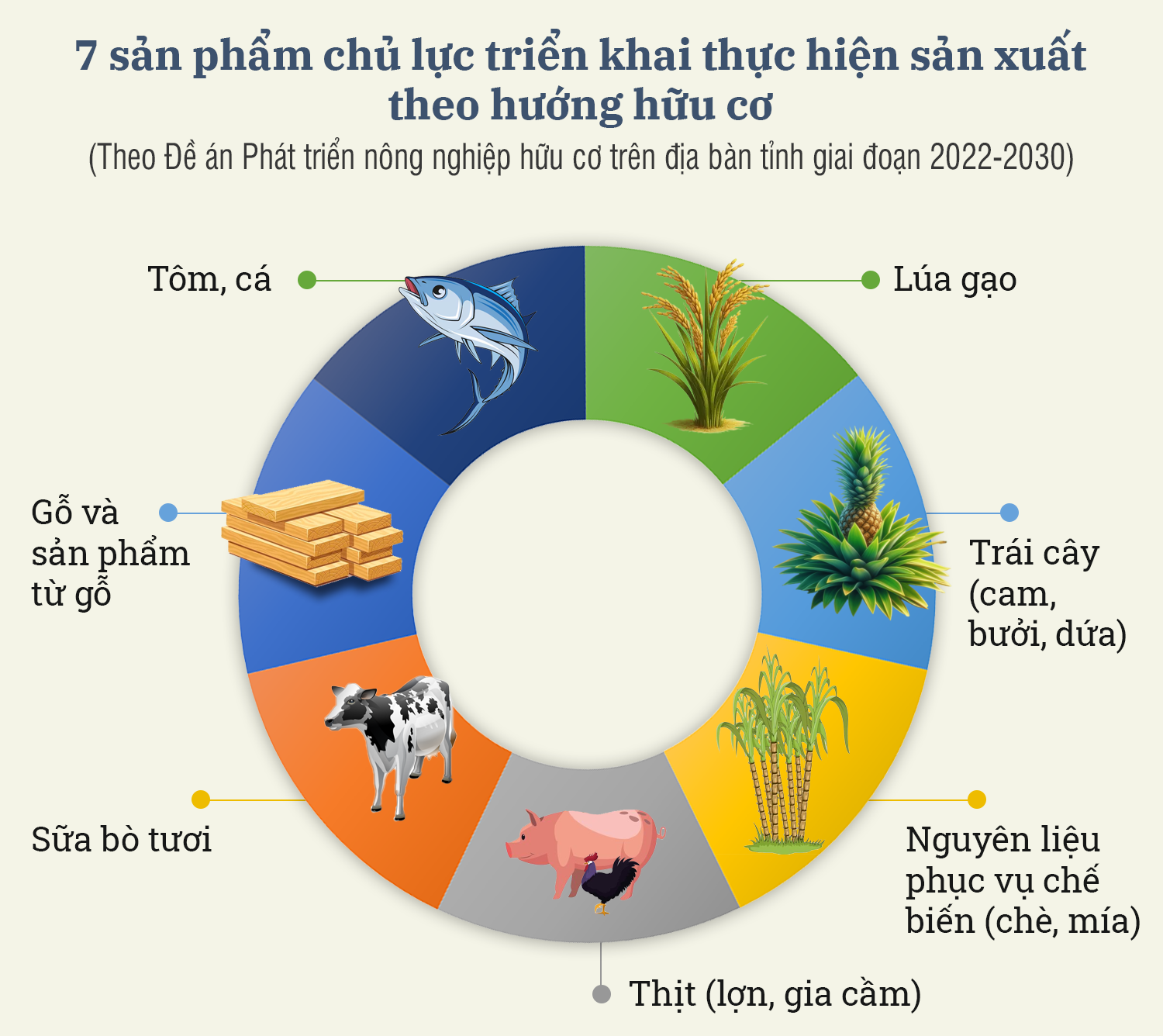
The project for developing organic agriculture in the province for the period 2022-2030 includes seven key products to be produced organically, namely: rice, fruits (oranges, pomelos, pineapples); raw materials for processing (tea, sugarcane); meat (pork, poultry); fresh cow's milk, wood and wood products; shrimp, and fish. Selection criteria prioritize key agricultural products and those with local advantages, while ensuring economic, social, and environmental effectiveness. Priority is given to traditional, indigenous products with specialty value, and products that have met quality standards such as VietGAP, GlobalGAP, and OCOP.
.png)
Once a clean raw material source is established, producing clean, high-quality products becomes much easier. In Lam Son commune (Do Luong district), Ms. Nguyen Thi Hang has successfully started a business producing herbal products thanks to establishing a clean raw material source and a closed-loop green production chain. “Lam Son has fertile fields on the banks of the Lam River, and many valuable medicinal herbs are grown by the people in their home gardens, but their medicinal and economic value, such as perilla, lemongrass, noni fruit, and pomelo, has not been fully exploited,” said Ms. Nguyen Thi Hang.
I wanted to elevate these products and work with local people to promote the value of our homeland's agricultural products when I decided to establish Hang Moon Herbal Import-Export Co., Ltd. Currently, out of the company's 15 products, 7 have been recognized by the local authorities as achieving OCOP 3-star standards.”
Ms. Nguyen Thi Hang
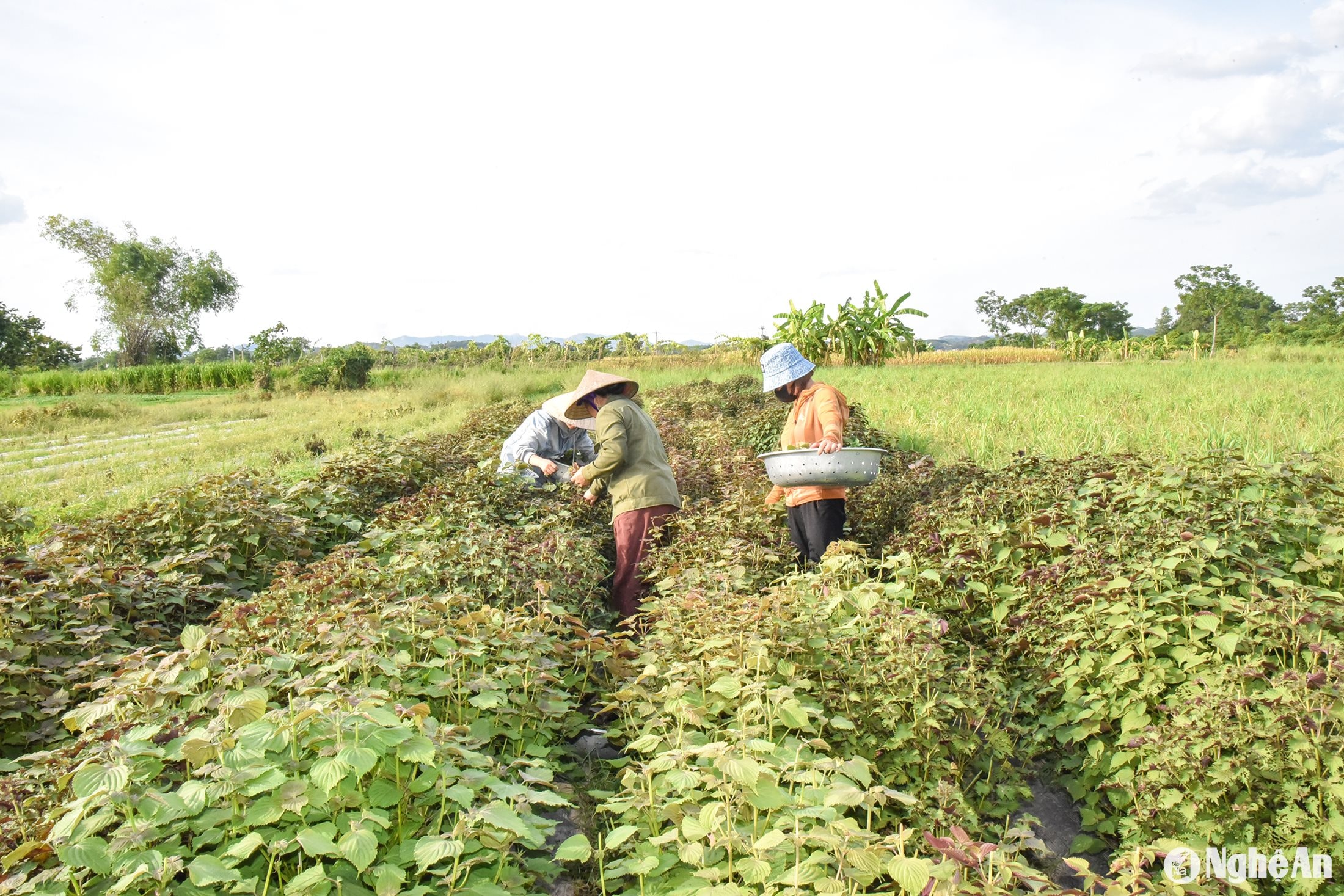
The main ingredients for the OCOP products of Hang Moon Herbal Import-Export Co., Ltd. are all sourced from local people in Do Luong and Quynh Luu districts, who cultivate and care for them in a green and clean manner. To demonstrate this, Ms. Nguyen Thi Hang took us to visit a more than 1-hectare alluvial plain along the Lam River, where local workers were harvesting perilla leaves. The workers explained that perilla is easy to grow, well-suited to the local soil and climate, and virtually free from pests and diseases, so the plants are cared for in a completely green and clean way, without pesticides. “We work as daily laborers harvesting the raw materials for 250,000 VND/day, and we also grow more in our home gardens to supply the company. We also witnessed the company processing the harvested leaves and plants into perilla tea and perilla-extracted cosmetics such as shower gel and soap right at Ms. Hang's production facility,” said Ms. Nguyen Thi Lam, a resident of Lam Son commune.
“Besides maintaining over 1 hectare of perilla and lemongrass cultivation in Lam Son commune, our company also has a supply contract with a cooperative in Quynh Luu district. According to the contract, the supplier is responsible for cultivating the herbs, ensuring clean production processes and quality, and pre-processing the products for the company to use in the production line for perilla tea, lemongrass essential oil, and other products,” added Ms. Nguyen Thi Hang.
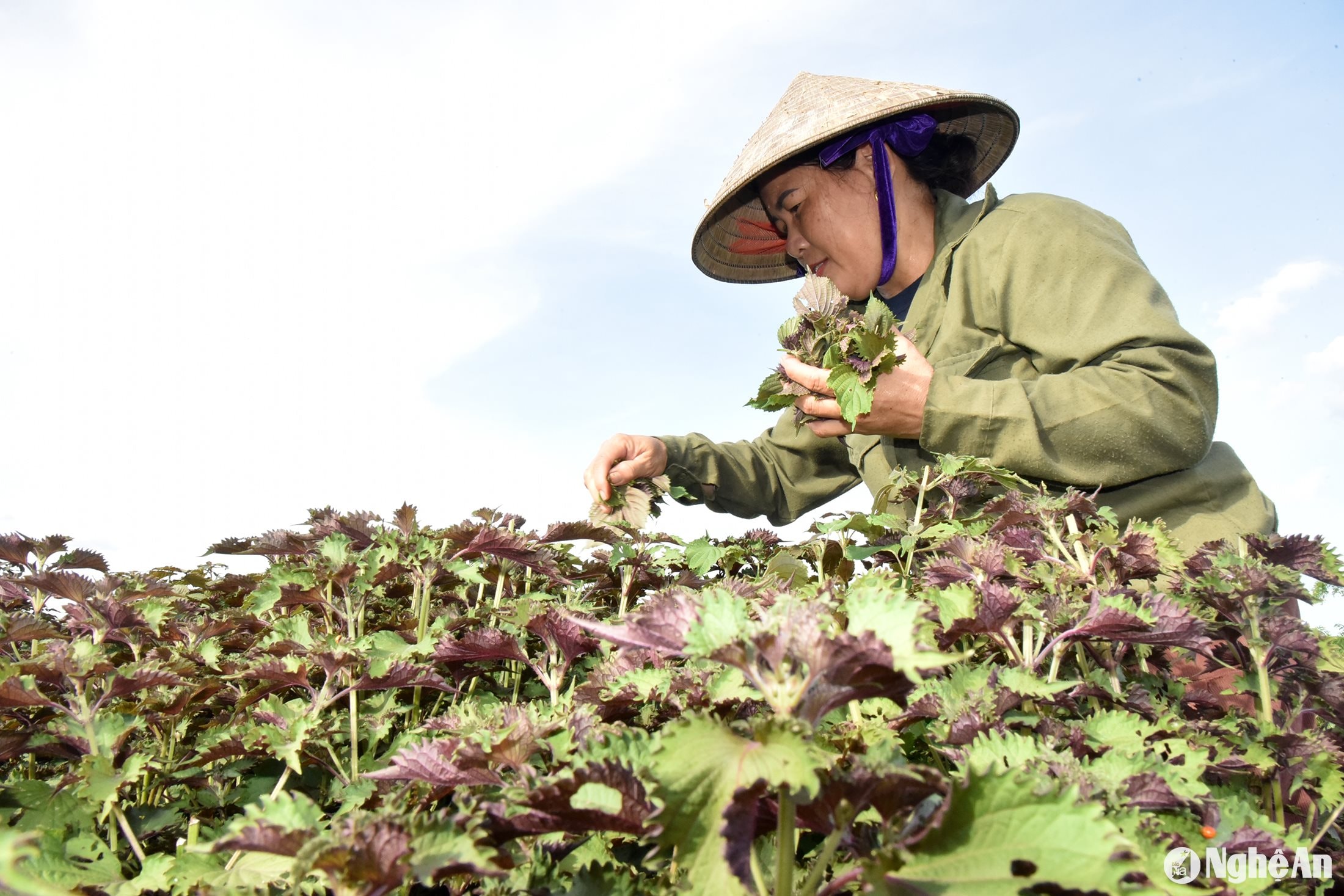
Thanks to its proactive sourcing of raw materials, the products of Hang Moon Herbal Import-Export Co., Ltd. meet stringent quality control criteria for green and clean standards. Most recently, the company's products have been certified as natural products, leading to strong market demand. This stable sales volume allows the company to generate working capital to purchase raw materials from farmers at prices higher than market rates.
Normally, the perilla leaves we grow in our garden and sell at local markets in the commune only fetch about 5,000 VND/kg. However, when we grow them according to orders from herbal companies, the price is three times higher and very stable; whatever we grow is always bought up.”
Ms. Nguyen Thi Lam, Lam Son commune (Do Luong district)
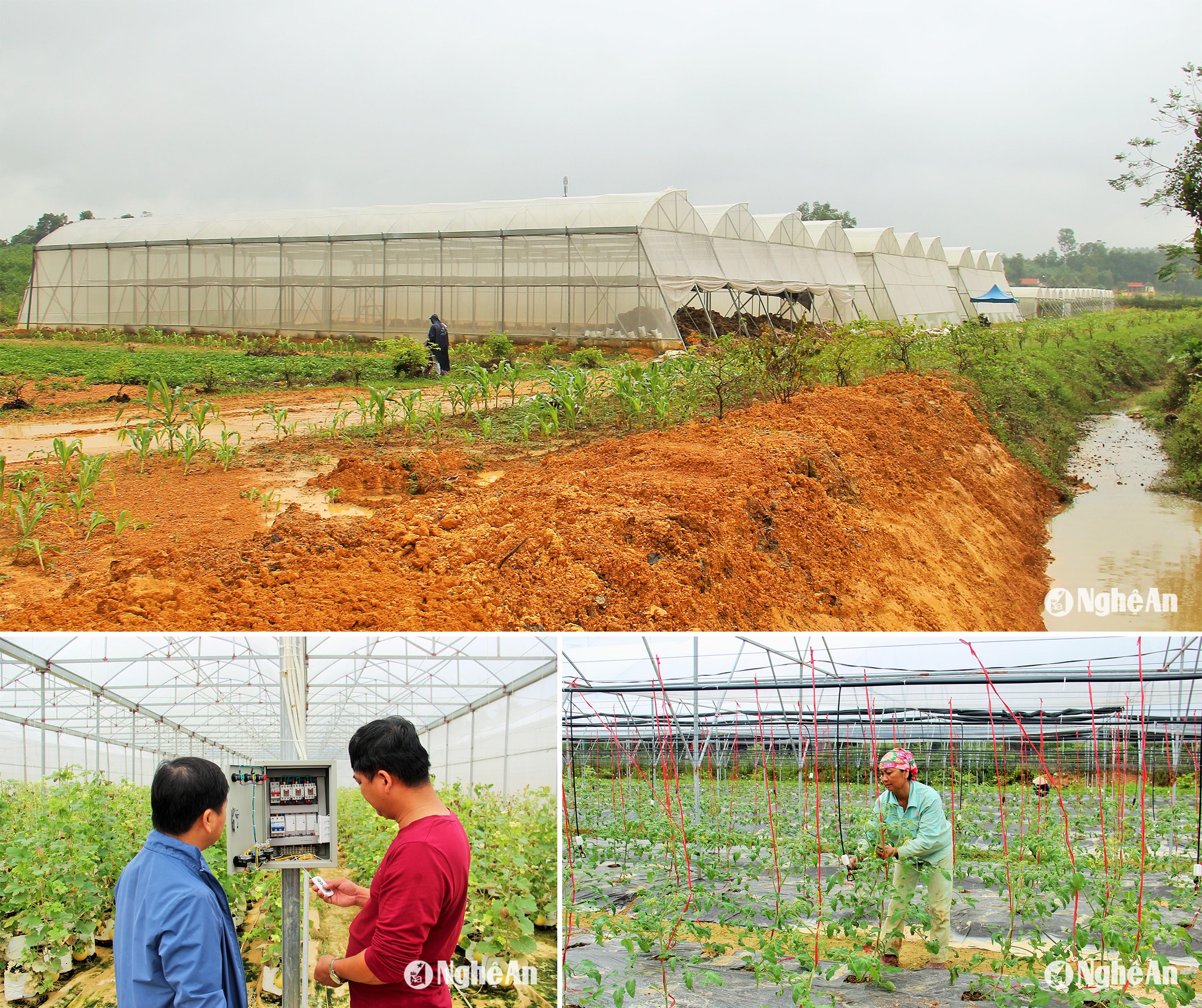
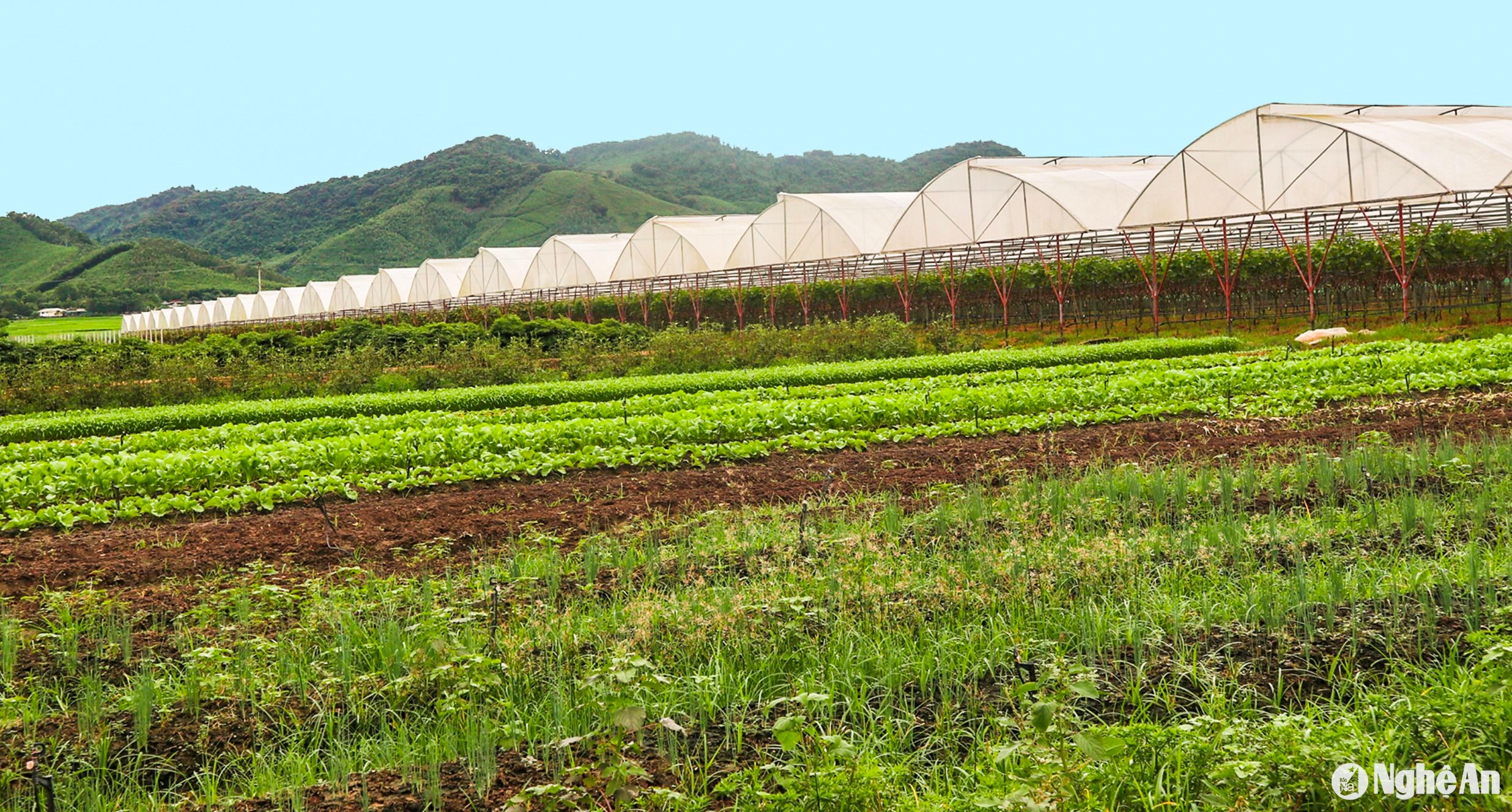
Encouraging deep processing and enhancing the value of agricultural products is the direction of agricultural economic development being implemented by Do Luong district with many incentive mechanisms, especially investment in high-tech agricultural production. At Bud Hill Farm in Hamlet 12, Thinh Son commune and Hamlet 2, Van Son commune, with an area of 15 hectares, a comprehensive system of greenhouses and irrigation technology monitoring humidity and temperature is applied using modern Israeli technology, and strict adherence to agricultural production processes is aimed at improving product quality. Thanks to high-tech investment and guaranteed product quality, agricultural products from Bud Hill Farm achieve higher revenue when released to the market and are ordered by supermarkets in major cities.
In early 2023, the Standing Committee of the Do Luong District Party Committee issued Directive No. 15-CT/HU dated August 22, 2023, on the plan to consolidate land and form concentrated specialized production areas in Do Luong district, giai đoạn 2023-2025. Following this, Do Luong called on businesses to invest in the production of clean vegetable farming models covering 11.6 hectares in Trung Son commune; Bud Hill Farm - Doi Choi Farm covering 8.4 hectares in Van Son commune; vegetable farming models covering 0.3 hectares in Lam Son commune; banana farming models covering 30 hectares in Dai Son commune; and high-quality pure rice intensive farming models in the spring crop (with a scale of 131.06 hectares) in Van Son, Thinh Son, Tan Son, Thuan Son, Luu Son, Dong Son, Dai Son, Trung Son, and Lac Son communes.
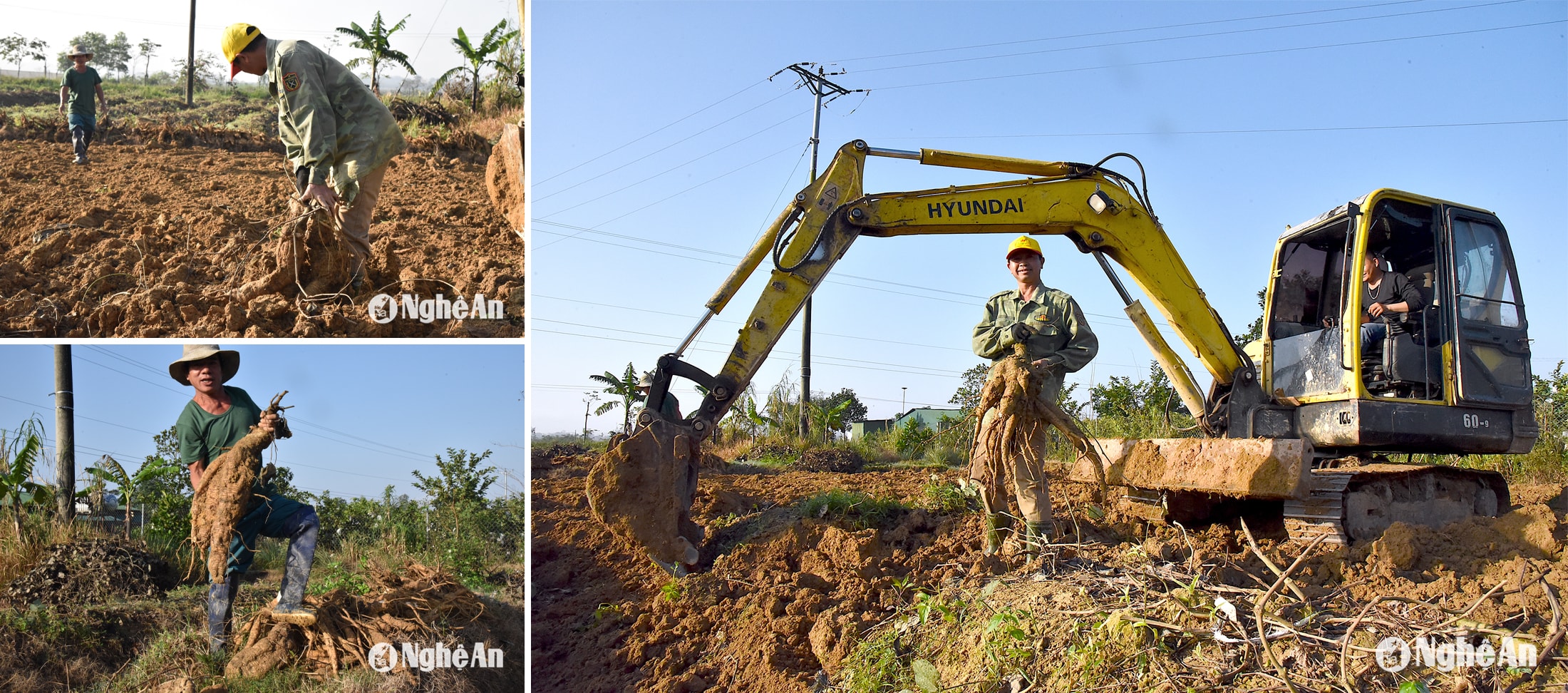
In the summer-autumn crop season (covering 105 hectares) in Dai Son, Tru Son, Thai Son, Dong Son, Trung Son, and Ngoc Son communes, the model's implementation resulted in reduced investment costs and the application of scientific and technical advancements in production. Specifically, the spring crop saw an increase in economic efficiency compared to the control group of 4-6.9 million VND/ha, and the summer-autumn crop saw an increase in economic efficiency compared to the control group of 2.5-5 million VND/ha.
Not only are companies and businesses implementing "green processes" from raw material cultivation to final product processing, but many farms, ranches, and households in Nghe An are now recognizing the necessity and economic benefits of this production-processing model. Examples include models for cultivating and processing agricultural products such as tea, ginger, black pigs, golden flower tea, and medicinal herbs in the western districts of Nghe An. Farmers and businesses are gradually forming closed-loop production-processing trends, from production to processing and delivering finished products to consumers. As a result, the value of agricultural products is enhanced, and profits from agricultural production and processing increase accordingly.
(To be continued)