
The challenge of sustainable livelihoods in the Keng Du border region?
In the border commune of Keng Du, where the terraced rice fields barely provide enough food for the day, many residents have chosen to leave their villages to seek work elsewhere. However, the path to finding work in foreign lands is not all rosy with the prospect of sending money home; it also carries risks and pitfalls.
TrapLeaving home to find work.
Mr. Moong Pho Lu, from Huoi Xui village, has three sons who all went to work far away in the northern and southern provinces. Currently, only the eldest son and his wife are working as rubber tappers in Binh Duong. The two younger sons, after a period of searching for work, have returned and are struggling to find their way in life.making a livingstable.
In the old stilt house, together with Mr. Luong Van Ngam - Chairman of the People's Committee of Keng Du commune, we had a conversation with Mr. Lu and his three sons about leaving their hometown to find work and the hardships and pitfalls his sons encountered.
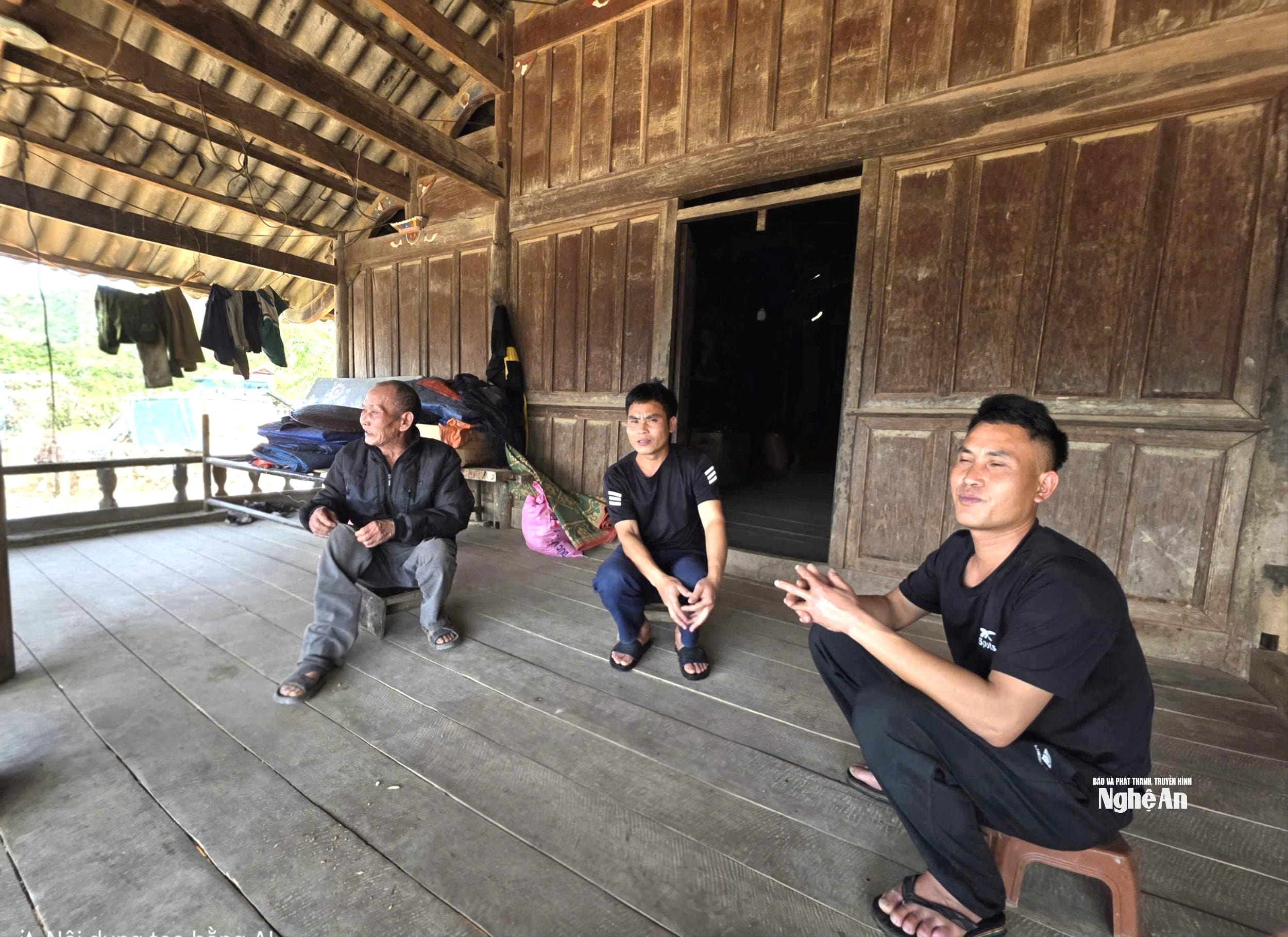
Mr. Lu's third son, Moong Van Tinh, recounted the terrifying experience of being lured into gold mining in Quang Nam province about three years ago. Promised high wages, he was forced to work in dangerous mines, to the point that after just over a month, he and four others had to escape. They were chased by the mine owner numerous times. Tinh also said that some people were tricked into working there, had their phones confiscated, and were cheated out of their wages. Some even lacked the money for transportation home.
Moong Pho Lu's second son, Moong Pho Chay, also left his hometown seeking a better life. Chay found work at a steel processing factory in Hanoi, earning 24 million dong in three months. However, the owner withheld his wages, forcing him to return home. The losses weren't limited to money; his health also suffered. After about four years of wandering in a foreign land, Chay returned home with severe tinnitus and is currently unable to find employment.
Mr. Chay shared that due to the limited area of rice paddies, his family's food needs are not met. Currently, the main source of income depends on chicken farming, but they are facing many difficulties in both care techniques and product sales. He plans to switch to goat farming to develop his economy, but lacks capital and cannot access bank loans because he is not yet married and does not have his own house.
Mr. Lu added, "Of his children, only his eldest son, Moong Van May, and his wife still have stable jobs in Kon Tum (formerly). May and his wife have been tapping rubber trees for the past four years, and their three children are being cared for by their grandparents. They don't send money home monthly, only at the end of the year to pay off bank loans and save a little extra."
Mr. Luong Van Ngam, Chairman of the People's Committee of Keng Du commune, said that the current situation of labor migration...find a jobIn other provinces, the situation faced by Mr. Lu's children is also common, not just in Keng Du. Each person goes to work as a laborer in rubber plantations or industrial zones. However, encountering risks and scams is not uncommon. The biggest consequence that the local authorities are worried about is that young people leave, leaving only the elderly and children in the area, which will create an imbalance in life and social activities. Village management boards lack young, dynamic people, and families lack a pillar to care for and educate their children.
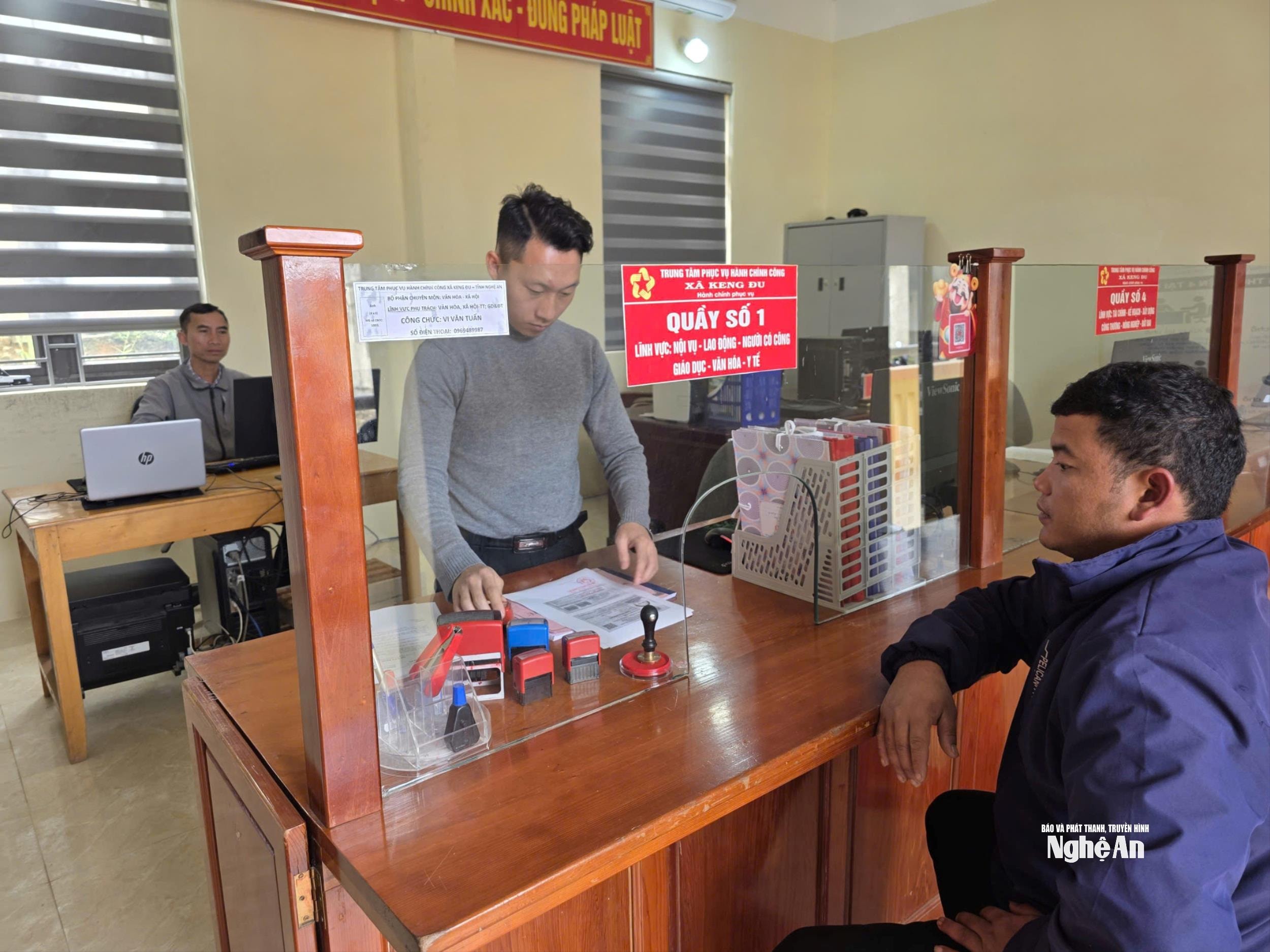
After the conversation, we went to the Keng Du Commune People's Committee headquarters to meet with some officials from various departments to learn more about the implementation of policies in the commune. There, we met a village head and a village security team leader who had come to submit their resignation letters to go to the South to find work. That was a day near the end of March 2026.

Finding sustainable paths for livelihoods in highland areas.
Keng Du currently has over 1,000 households with more than 5,000 inhabitants, living in 10 villages, 8 of which are located close to the border. The population mainly consists of the Thai and Khmu ethnic groups, communities with long-standing traditions of solidarity and strong cultural identities. For generations, the people of Keng Du have been closely connected to their fields, terraced rice paddies, and vast forests, both resiliently battling the harsh natural environment and constantly striving to overcome poverty and build a prosperous life.
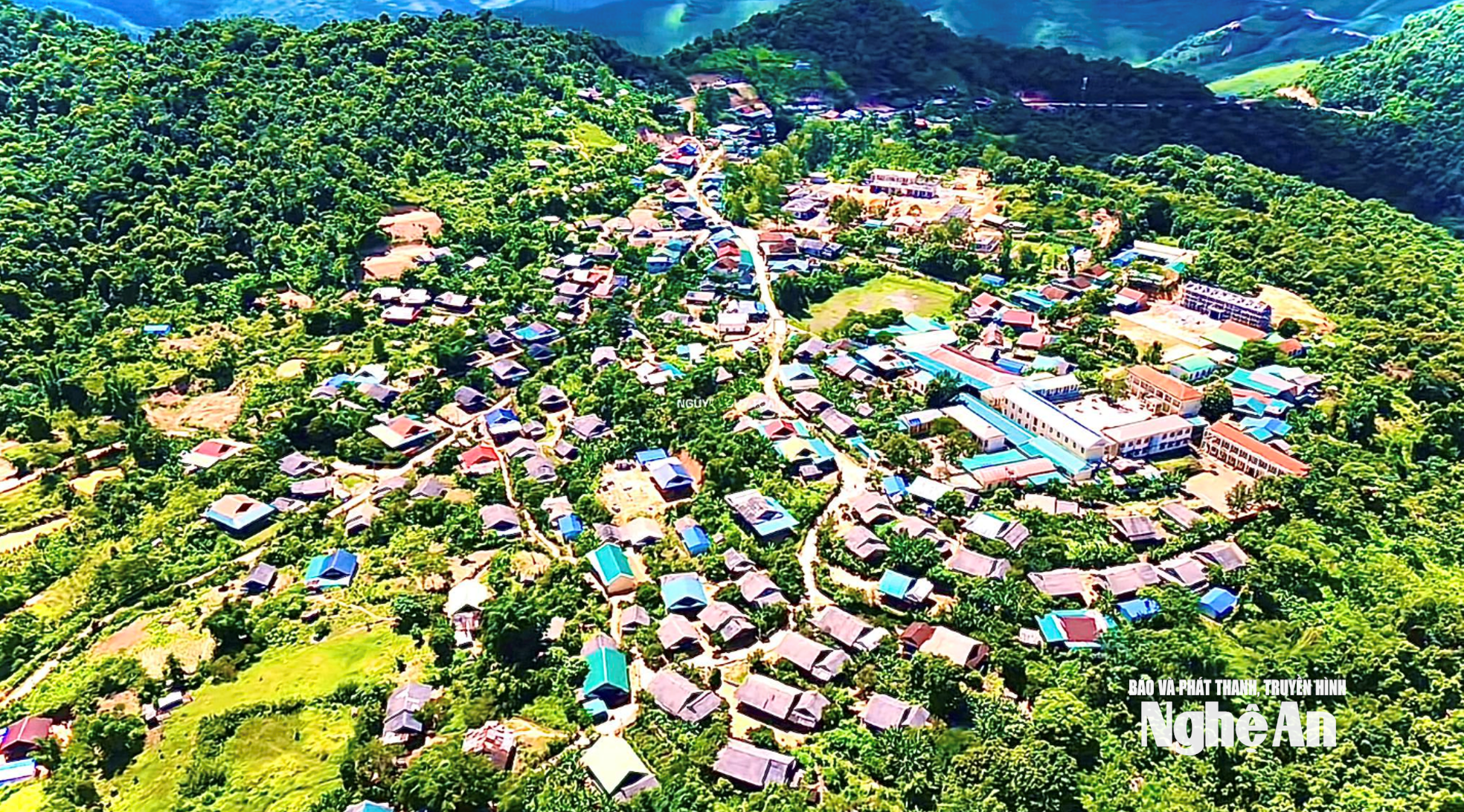
But why do the people here still take the risks to travel so far? The terrain of Keng Du is mainly high, steep mountains with many streams; transportation is still very difficult, especially during the rainy season. The climate is typical of high mountains, with cold winters, scorching summers, heavy rainfall, and frequent flash floods.Natural conditions of Keng DuThat harsh climate poses significant challenges to socio-economic development. Farmland in Keng Du is scarce; the rice grown is only enough for consumption, with no surplus to create marketable products.
The situation in Keng Du shows that the economic benefits of working far from home are undeniable, but the reality is not always rosy. Many workers in Keng Du have become victims of labor scams when promised high wages. To address the problem of spontaneous and risky migration, national target programs have implemented many projects to support people in mountainous areas in finding new, more sustainable paths.
For example, vocational training and certification. Every year, the government organizes technical training courses in animal husbandry and veterinary medicine lasting from 15 days to one month. After the course, people receive certificates to improve their skills in production. Or, poor and near-poor households receive support with production materials. Current policies not only focus on training but also directly provide local breeds such as black chickens and black pigs to people to develop their household economies.
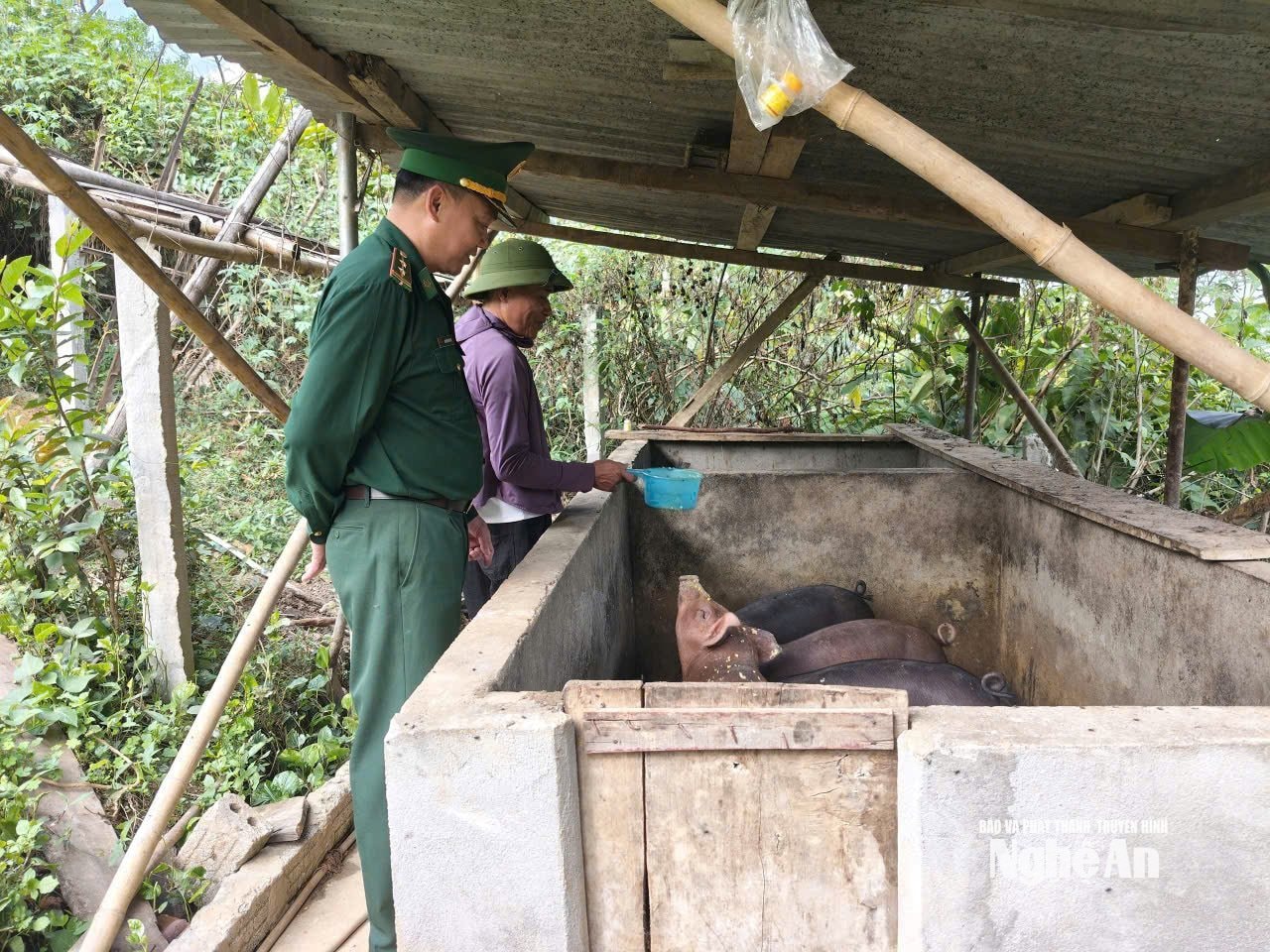
Regarding this, Mr. Luong Van Ngam said that the local government has also made efforts to implement national target programs such as training in animal husbandry and veterinary medicine, and providing black chicken and black pig breeds to the people. However, after the training courses, the actual effectiveness in some areas remains low if commune officials and specialized staff do not closely monitor and regularly remind people.
A young man in Huoi Phuon village shared that, despite having learned a trade, he still faces difficulties due to a lack of capital for large-scale development. The aspiration of young people here is to receive support in raising livestock that are more suitable to their skills and local conditions, such as goat farming, instead of simply following existing models.
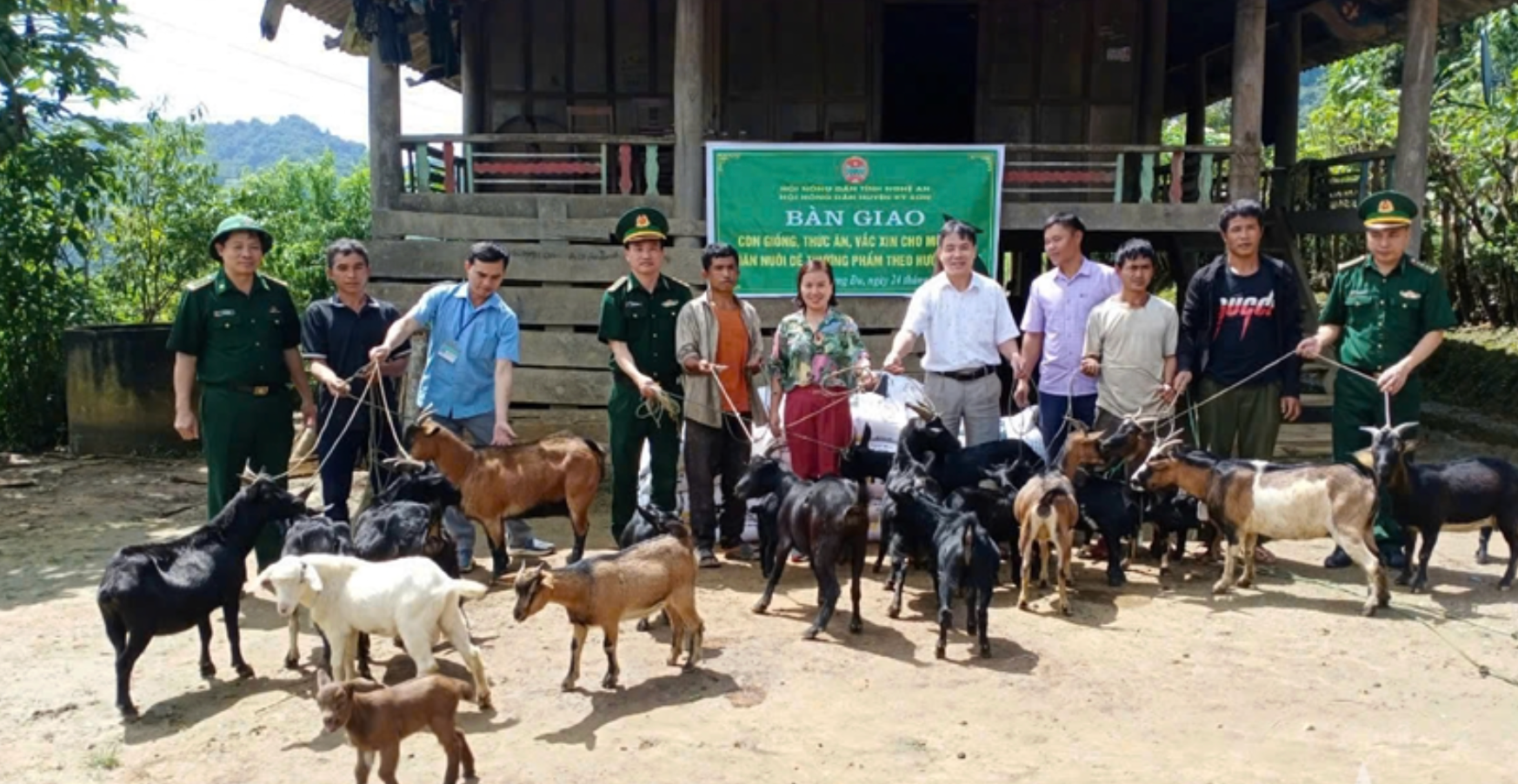
To ensure that these journeys are no longer a "gamble," strengthening national target program policies is essential. In addition, people need access to legitimate labor services, avoiding scams; combined with genuine vocational training and targeted loan support, this is key to improving the lives of ethnic minorities in these border highlands, so that their homeland truly becomes a place of "stable living and prosperous livelihood."


