
Handing over war relics provided by the United States to the relatives of fallen soldiers.
On the morning of December 11th, in Vinh City, the Office of the National Steering Committee 515 held a ceremony to hand over war relics provided by the United States to the relatives of fallen soldiers.
Attending the handover ceremony were Colonel Le Van Son - Head of the Department of Martyrs' Graves Affairs, Policy Department, General Political Department; Major Daniel Romans - Marine Attaché, Office of the Defense Attaché, US Embassy; Colonel Pham Van Dong - Deputy Head of Political Affairs of Military Region 4, Deputy Head of the Standing Committee of the 515 Steering Committee of Military Region 4; Mr. Bui Dinh Long - Vice Chairman of the People's Committee of Nghe An province, Head of the 515 Steering Committee of Nghe An province; Colonel Nguyen Ky Hong - Political Commissar of the Provincial Military Command, Deputy Head of the Standing Committee of the 515 Steering Committee of Nghe An province; and representatives of the martyrs' families.
The returned artifacts include: 1 diary of martyr Nguyen Quang So, born in 1944, from Thanh Lam commune, Thanh Chuong district, Nghe An province, enlisted in December 1966, died on February 26, 1969; 1 diary of martyr Ho Van Chuong, born in 1939, from Dien Bich commune, Dien Chau district, Nghe An province, enlisted in 1963, died on February 26, 1969.
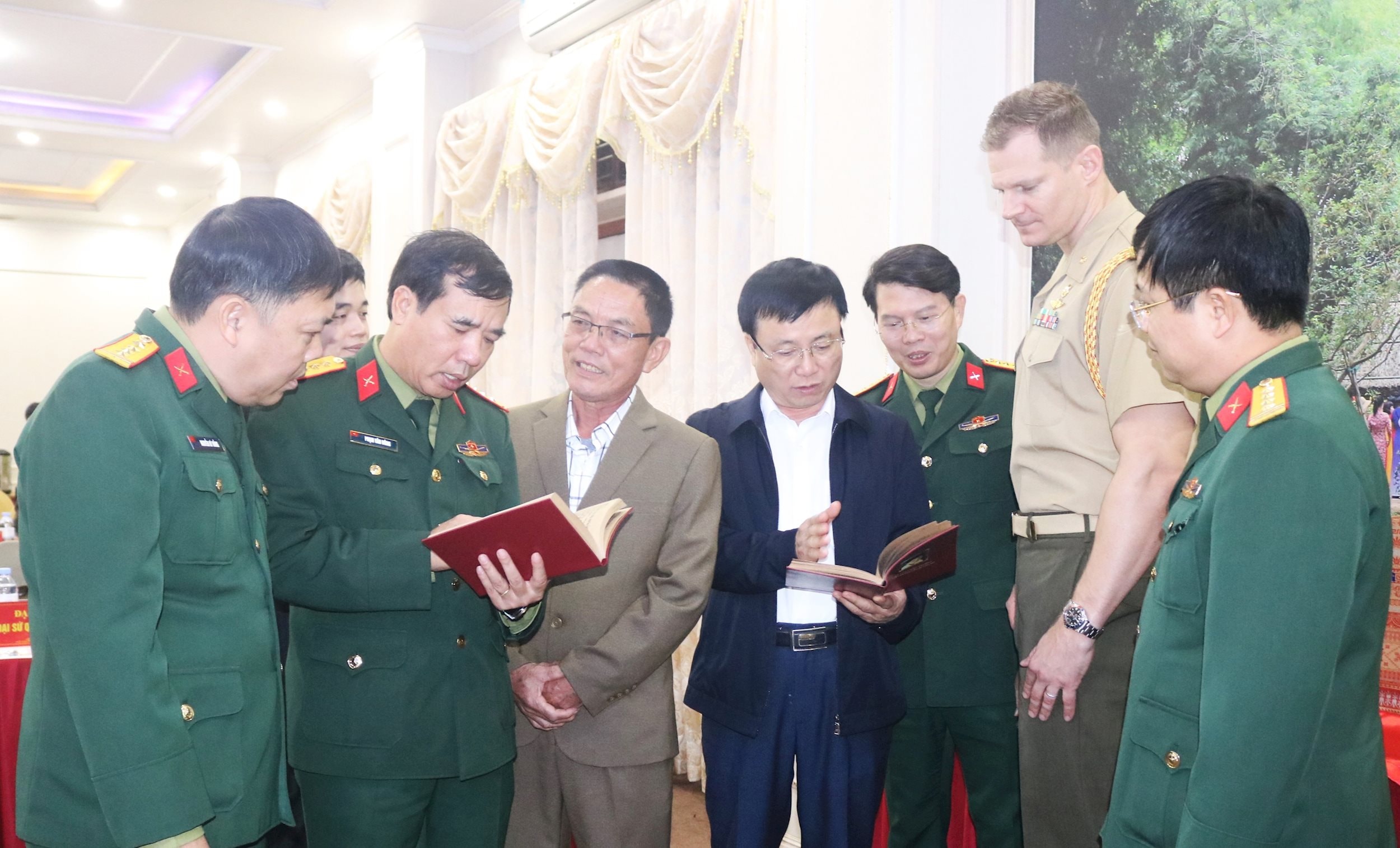
These artifacts were found by U.S. veterans during their time fighting in Vietnam and were subsequently brought to the ASH Center at Harvard University for storage. Following the signing of a Memorandum of Understanding on cooperation in searching for and collecting the remains of Vietnamese martyrs by the Office of the National Steering Committee 515 and the Office of the U.S. Defense Attaché in Hanoi on July 29, 2021, the ASH Center at Harvard University (USA) has provided much information, documents, and artifacts to support the search mission.collecting the remains of fallen soldiers.Vietnam. And the artifacts donated today will be important data, supporting the search and repatriation of the remains of Vietnamese martyrs.
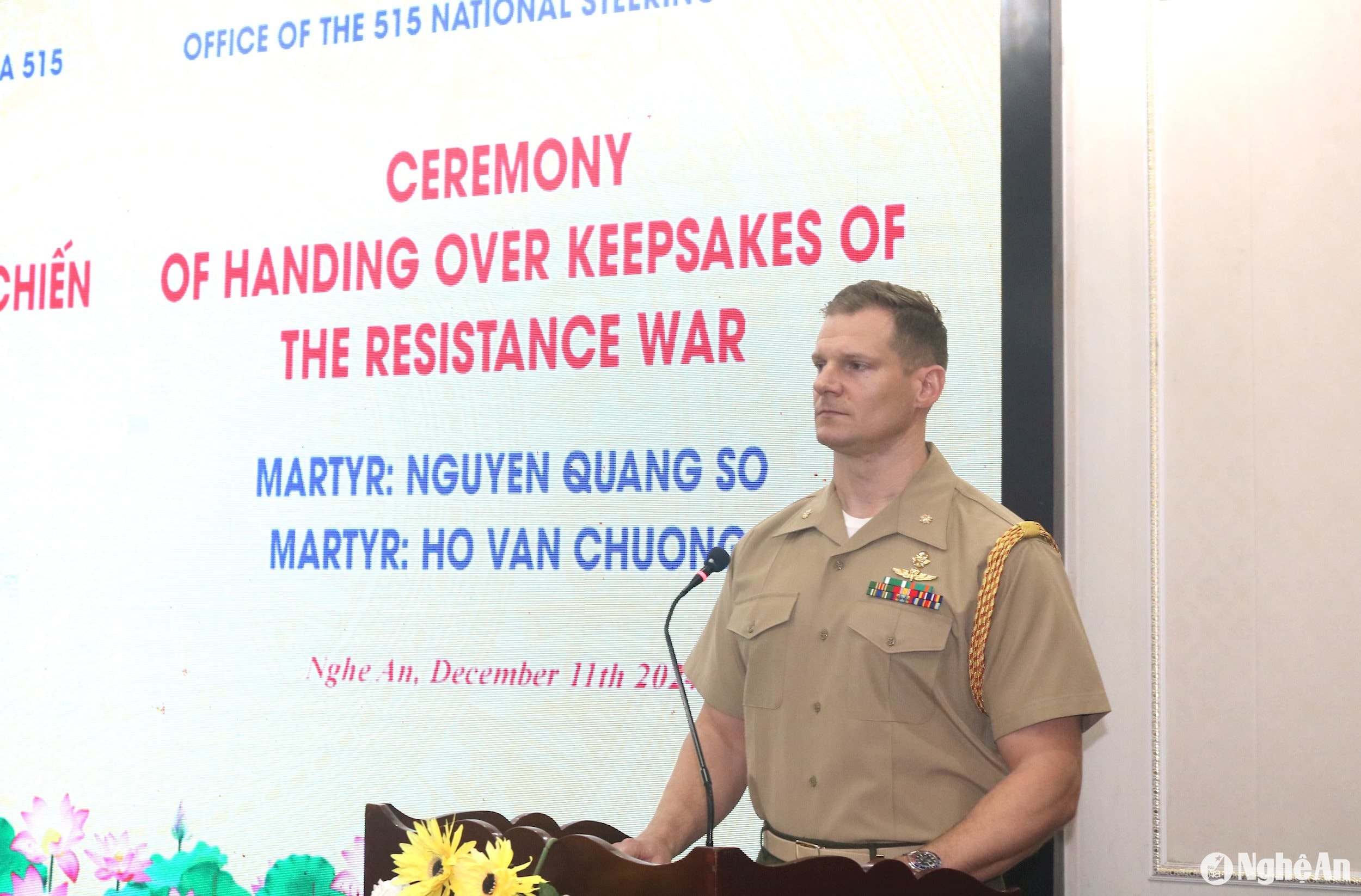
Speaking at the handover ceremony, Major Daniel Romans, Marine Corps Attaché, Office of the Defense Attaché, U.S. Embassy, stated: "The return of war relics is of immense significance. The U.S. will send 59 sets of documents related to the personal information of fallen soldiers, including 33 sets of information related to the soldiers themselves and 31 sets of files related to war relics. In addition, there are many other files and documents that can help the families of fallen soldiers better understand their loved ones' participation in the resistance."
It can be said that overcoming the consequences of war is a fundamental element in building relations between our two countries. This is a crucial process for us to heal wounds and reconnect communities and people. In 2025, the two countries will celebrate the 30th anniversary of the normalization of diplomatic relations, and this is an important milestone in our relationship.diplomatic relations between the two countries.
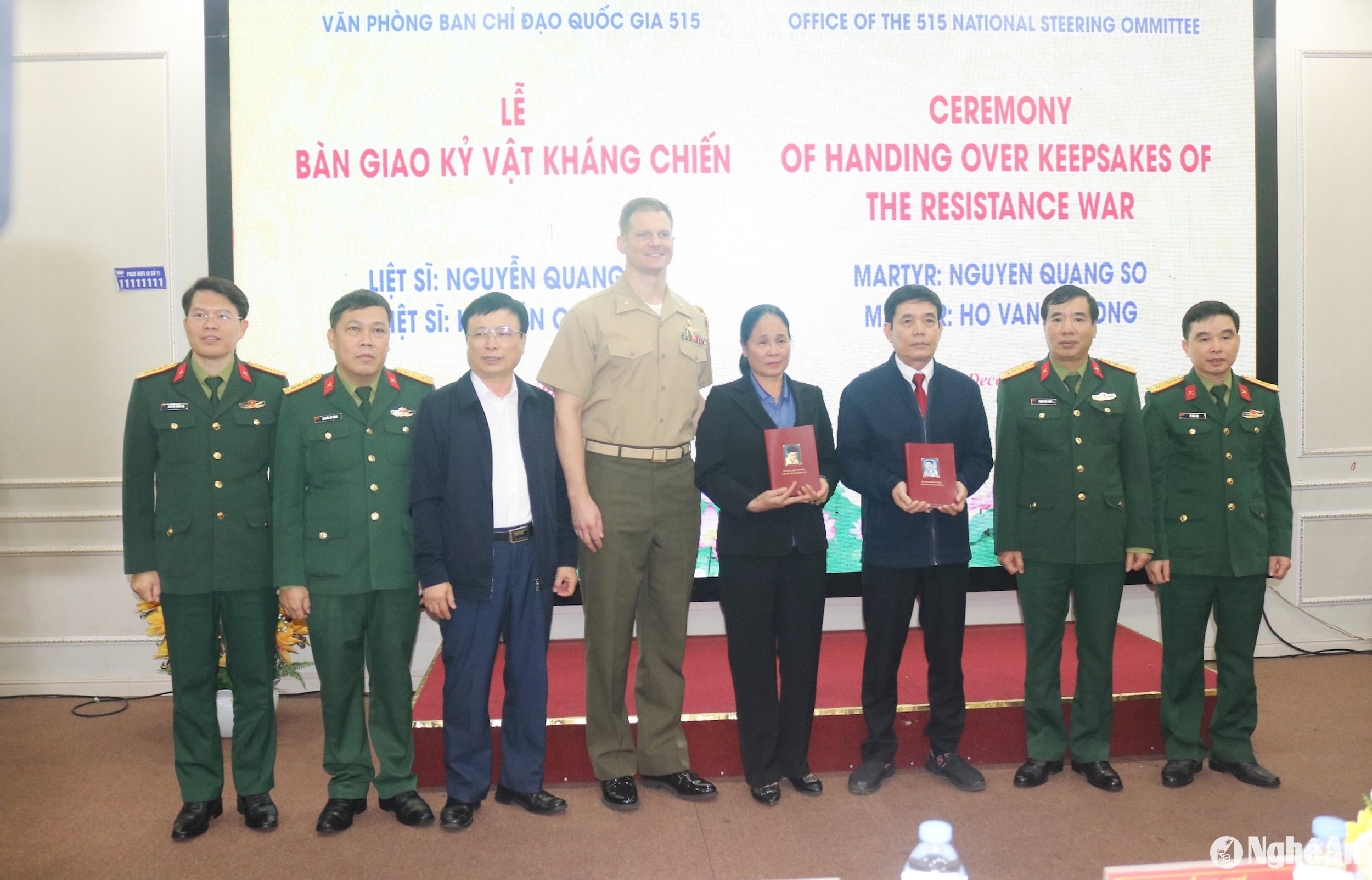
Colonel Nguyen Ky Hong - Political Commissar of the Provincial Military Command, Deputy Head of the Standing Committee of the 515 Steering Committee of Nghe An province, emphasized: These mementos have immense spiritual significance and value for the relatives and families of martyrs. These mementos have accompanied the martyrs in their daily lives, imbued with the blood and bones of martyrs, veterans, and wounded and sick soldiers during the years of fighting on battlefields across the country. The mementos presented today have traveled halfway around the world, remaining lost for decades before finally returning to the relatives and families of the martyrs.
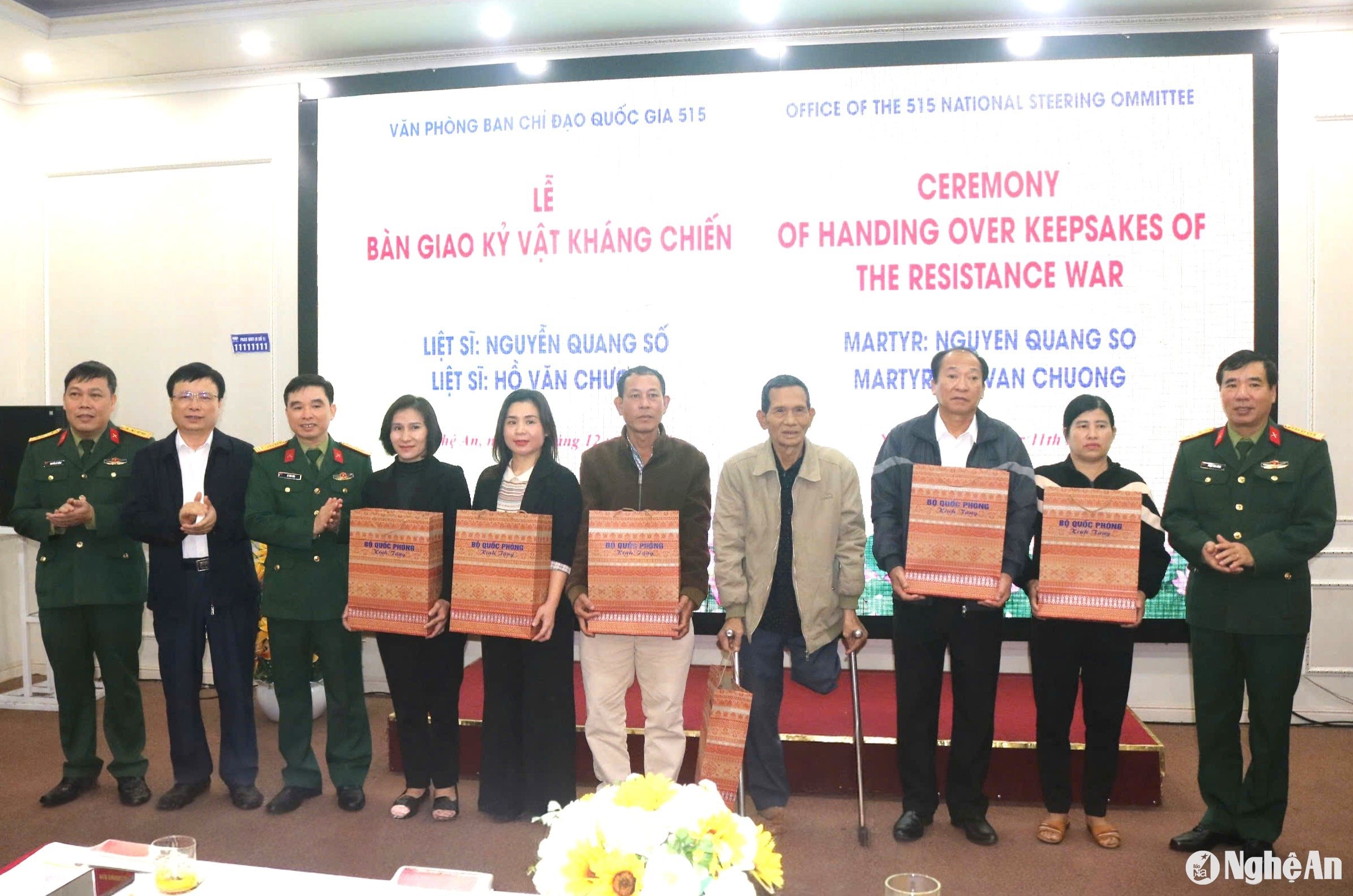
By returning the relics of fallen soldiers to their families, we hope to bring the soldiers back to their loved ones, fulfilling some of their wishes and aspirations, and alleviating some of the pain and loss suffered by their relatives. Bringing these relics back to their families and hometowns allows them to feel closer to their loved ones; and enables these relics to accompany the families in their daily lives. This is a sacred sentiment and responsibility of those working in policy-making towards their comrades and the families of fallen soldiers, those who bravely fought and sacrificed for the Fatherland.


